Senegal’s economic potential struggles to lure foreign investors
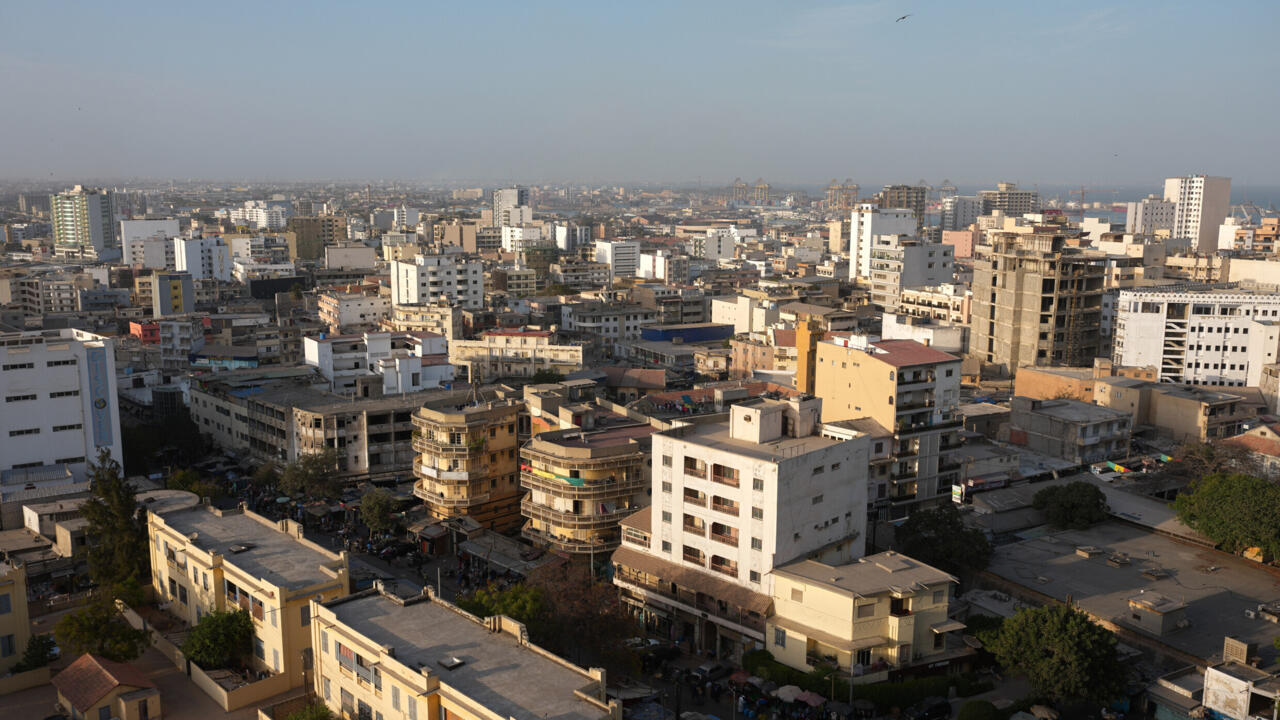
After four consecutive years of robust growth, with foreign direct investments (FDI) averaging three billion dollars annually, Senegal saw a dramatic decline to just 37 million dollars in 2025. This sharp drop, highlighted in the latest United Nations Conference on Trade and Development (UNCTAD) report, raises critical questions: is this a natural end to a major investment cycle, or a reflection of investor caution toward the government’s financial policies?
The decline in foreign investments is largely cyclical. Major oil and gas projects like Sangomar and Grand Tortue contributed significantly to the surge in funding over recent years. However, most of these investments have now transitioned to production phases, temporarily reducing new inflows. Despite this, Senegal could have attracted far more than the 37 million dollars recorded in 2025.
Moubarak Lo, former economic advisor to the Prime Minister and now an independent consultant, emphasizes the need for structural changes: “Senegal has the potential to consistently attract three to five billion dollars annually in foreign investments,” he states. “But this requires proactive economic promotion. Currently, the country lacks a robust international investment promotion network. While roadshows are organized, they are insufficient. A passive approach won’t suffice; Senegal must take the lead in attracting direct investments, not just portfolio investments like government bonds or treasury bills.”
Visibility gaps hinder investor confidence
The country’s substantial debt, which reached 132 percent of GDP by the end of 2024 according to the International Monetary Fund (IMF), could theoretically deter investors. However, experts argue that public debt is not inherently a deterrent for private investors. Justin Maria, director of Access Bank in France, points to France as an example, which continues to attract private investments despite a public debt exceeding 3.5 trillion euros.
Maria highlights another critical issue: “Senegal has become a high-risk country—not due to long-term fundamentals, as no one possesses a crystal ball, but because of short-term uncertainties. Investors lack clarity on public finances, liquidity conditions, and overall economic stability, which stifles their confidence.”
Turning the tide: a path to recovery
Moubarak Lo dismisses the notion of Senegal being a high-risk destination. He believes the country has the tools to regain its appeal rapidly. Despite the IMF suspending its program with Senegal at the end of 2024, ongoing discussions between the two parties continue.
“Senegal currently has 20 to 30 major projects in the pipeline,” Lo explains. “Each project must be approached strategically. We need to identify the top five to six global companies involved in similar sectors and convince at least one to invest in Senegal. With focused efforts, we can reverse this trend as early as this year or, more realistically, by 2027.”
While Senegal grapples with this challenge, neighboring countries like Guinea have seen their foreign direct investments surge, with over 7.7 billion dollars recorded in 2025, according to the same UNCTAD report.