
Senegal’s football academies: nurturing the next generation of global stars
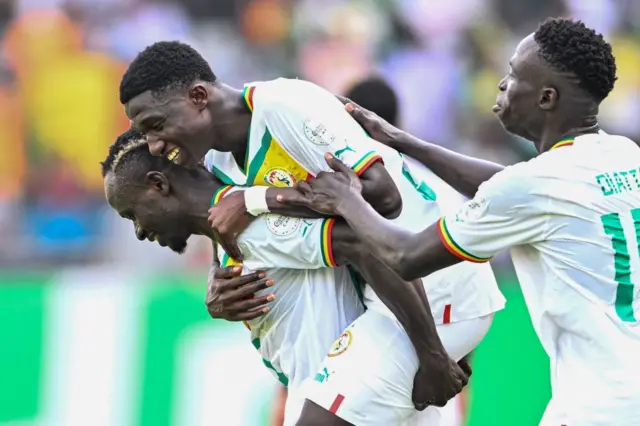
Crédit photo, Getty Images
- Author, Ousmane Badiane
- Role, Digital Journalist BBC AFRIQUE
- Temps de lecture: 11 min
Under the intense Dakar sun on a recent Wednesday afternoon, the artificial turf at CICES pulsates with a unique energy. Away from the bustling VDN, the Be Sport Academy buzzes with activity, much like a thriving beehive.
Fifteen-year-old Souleymane meticulously ties his shoelaces. Around him, teammates pull on their jerseys, adjust shin guards, and exchange focused glances. There’s no wasted chatter; today’s session has already started a few minutes late.
As the football finally begins to circulate, the young players’ faces relax, almost glowing. Passes flow, runs are coordinated, and movements synchronize under the watchful eyes of their coaches.
Each training session feels like a dress rehearsal, as for these youngsters, every moment on the field is an opportunity to be scouted. This demanding environment is not accidental; it’s the standard that ensures the success of a rapidly expanding model in Senegal.
In just a few years, football academies have become indispensable structures in Senegal. Their strength lies in a rare balance: they don’t merely train players; they actively shape careers and life paths.
Yet, beyond the dribbles and passes, a central question emerges: why have these Senegal football academies become such a vital hub for talent development?
- RSS & XML feedsCopy the feed link into your favourite RSS reader

Related Posts