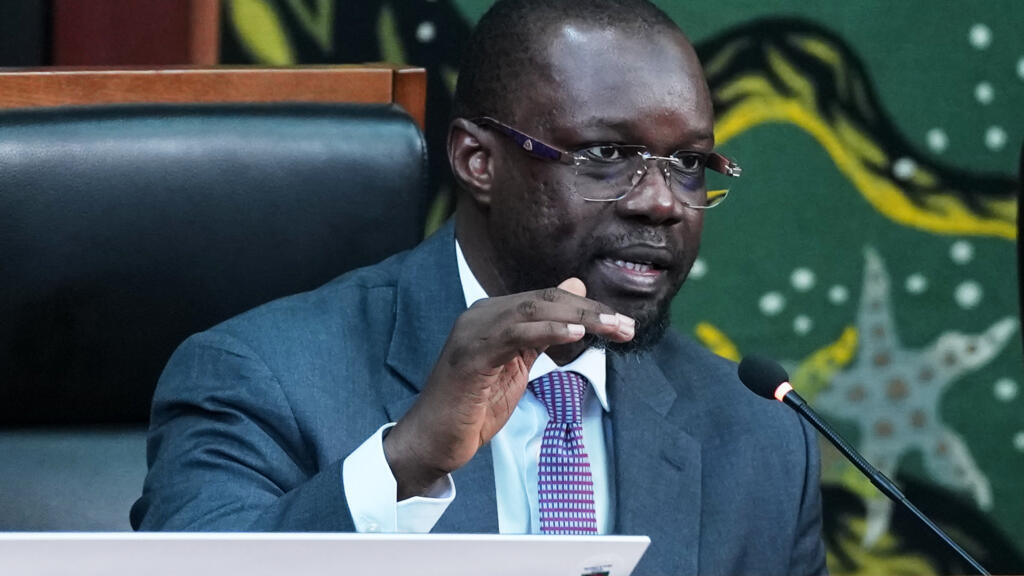

Senegal’s political landscape shifts as Sonko takes Assembly leadership
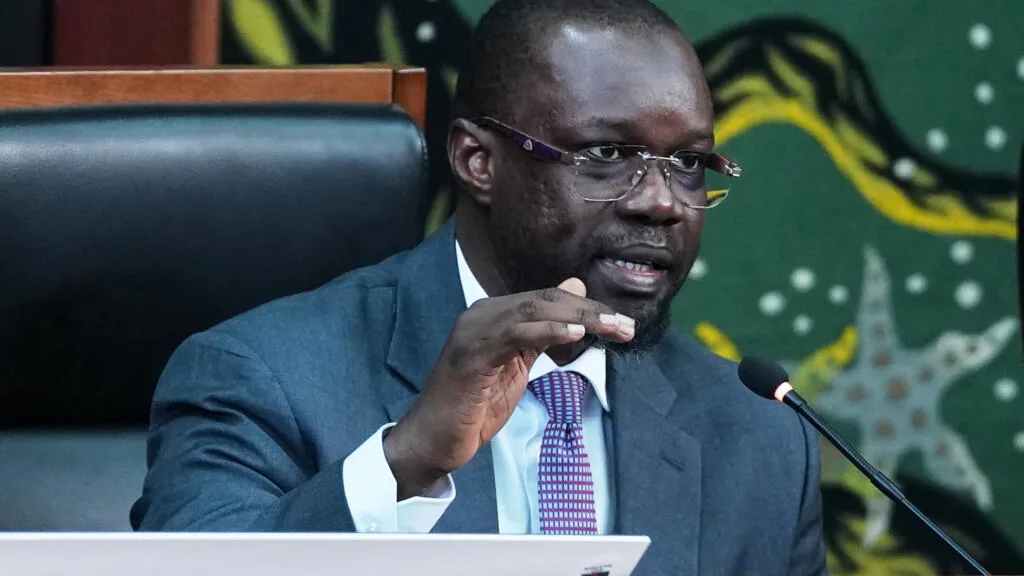
Ousmane Sonko’s rapid political rebound has sent shockwaves through Senegal’s corridors of power, with the opposition leader now wielding unprecedented influence over the legislative agenda.
« A dismissal isn’t a mark of political disgrace, » Sonko declared on Tuesday, framing his new role as a mandate grounded in « popular legitimacy. » Within just four days of his removal from the prime minister’s office, he orchestrated a dramatic return to center stage, securing the presidency of the National Assembly.
In a conciliatory tone aimed at easing tensions with the executive branch, Sonko pledged no « obstructionism, » no « personal vendettas, » and no « institutional chaos. » Instead, he framed his leadership as a mechanism for « strict oversight of government actions » and a commitment to deploying « all available checks and balances » should disagreements arise.
A precedent-setting power-sharing arrangement
Political analysts describe this unfolding dynamic as an « unprecedented » cohabitation—a delicate balance where Sonko’s Patriotic African Conscience for Ethics and Work (Pastef) party seeks to assert control over executive decisions. Ellimane Haby Kane, director of the Legs Africa think tank, notes that while Sonko’s approach may appear measured, his ultimate goal is clear: « to oversee the executive branch. »
Evidence of this strategy emerged Tuesday evening when Pastef officials confirmed initial contacts with presidential aides regarding government formation—only to later attach conditions for their participation.
The tension stems from Sonko’s contention that President Bassirou Diomaye Faye’s administration failed to consult Pastef before appointing the prime minister and cabinet—a grievance that promises to escalate the power struggle.