
Senegal’s Political Spotlight: Sonko’s High-Stakes Assembly Showdown
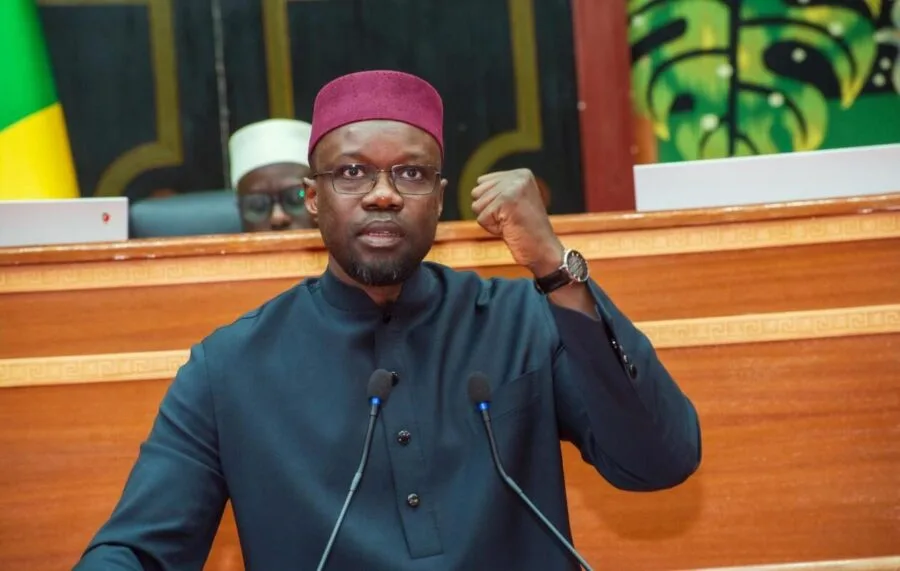
The stage is set for a pivotal moment in Senegal’s political arena. This Friday, May 22, 2026, Prime Minister Ousmane Sonko will face the nation’s lawmakers in a high-pressure session of questions d’actualité—a parliamentary exercise that has taken on unprecedented significance in today’s charged political climate.
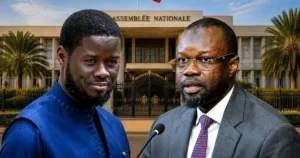
The announcement came directly from the Speaker of the National Assembly, El Malick Ndiaye, confirming the Prime Minister’s presence in the hallowed halls of the legislative body. While technically an institutional obligation, this session transcends routine parliamentary procedure. It emerges as a defining moment where governance, policy, and political strategy converge.
More Than Just Parliamentary Theater: The Weight of Expectations
At its core, the questions d’actualité serves as a formal platform for deputies to scrutinize government actions, assess public policy responses, and demand accountability on pressing national issues. Yet, this particular gathering carries extraordinary significance, amplified by the political landscape of 2026.
The Prime Minister’s appearance comes at a time when the nation is closely watching the balance of power between the executive and legislative branches. Beyond the immediate policy debates—economic stability, youth unemployment, infrastructure development, agricultural progress, and budgetary foresight—lie deeper political fissures that demand urgent resolution.
Electoral Reform: A Flashpoint in the National Dialogue
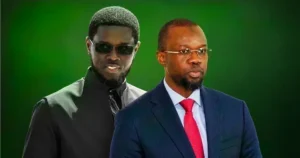
No issue looms larger on the political horizon than the proposed amendments to the Electoral Code. The opposition has mounted a vociferous campaign, accusing the government of crafting legislation designed to entrench its own electoral dominance. Critics go so far as to allege the reforms are a partisan maneuver, tailored to favor the ruling Pastef party and its leader, President Bassirou Diomaye Faye.
Such accusations carry real stakes. As Sonko prepares to address the Assembly, he faces the imperative of clarifying the government’s position, defending the reform’s intent, and potentially calming the storm of controversy swirling around it.
Institutional Reforms: Modernization or Overreach?
The government has repeatedly emphasized the necessity of institutional reforms aimed at modernizing public administration and strengthening democratic governance. Yet skepticism abounds. Opposition voices warn of reforms perceived as one-sided, demanding greater inclusivity and transparency in the process.
During the session, deputies—both from the majority and opposition benches—will likely probe the details: the timeline for implementation, the mechanisms of execution, and the ultimate objectives of these sweeping changes. The Prime Minister’s responses could either quell concerns or deepen the divide.
From Political Tensions to Presidential Signals
The weeks leading up to this session have been marked by intense political commentary, particularly following President Faye’s recent remarks on Pastef. He urged party leaders to prioritize governance over rhetoric, emphasizing the need to deliver on promises made nearly two years after the historic political transition of March 2024. These statements have fueled speculation about internal dynamics within the ruling coalition, leaving many to question the nature of the relationship between the President and his Prime Minister.
Sonko now has a chance to set the record straight. The session offers a rare public forum to address rumors, clarify positions, and perhaps even dismiss speculation about his resignation—a topic that has dominated political chatter for weeks. A definitive statement from the Prime Minister could finally silence the noise and reaffirm the government’s unity.
A Nation Watching: Policy, Politics, and the Path Ahead
The social and economic agenda remains critical. Senegalese citizens continue to grapple with rising living costs, limited job opportunities for young people, and pressing infrastructure needs. Questions about public investment, purchasing power, and fiscal outlook will undoubtedly surface. In a region grappling with economic uncertainty, the government’s ability to offer concrete solutions will be closely scrutinized.
This session also arrives at a pivotal juncture in the government’s term. The initial phase of transition has passed. Now, the focus shifts to results. Deputies will assess the execution of commitments made since 2024, demanding clarity on progress, challenges, and future direction.
The Prime Minister’s performance will be more than a parliamentary exercise—it will be a national performance. His ability to articulate the government’s vision, defend its policies, and respond to criticism could shape the political narrative for months to come.
With local elections on the horizon and the 2029 presidential race looming, every word spoken in the Assembly resonates far beyond the chamber. The stakes are high, the audience is attentive, and the moment is decisive.
What’s at Stake for Senegal
- Electoral integrity: Will the Code reform bridge divides or deepen them?
- Governance and trust: Can the government reassure a skeptical nation about its reform agenda?
- Economic resilience: How will the government address rising living costs and unemployment?
- Political cohesion: Can Sonko and Faye present a united front to silence internal dissent?
- Future elections: Will this session set the tone for the upcoming local and presidential contests?
The hallways of the National Assembly are rarely this charged. But on May 22, they will echo with the weight of Senegal’s future. Every question posed, every answer given, and every silence filled will be analyzed, debated, and remembered.