
Sonko rejects Senegal cabinet role amid power dispute
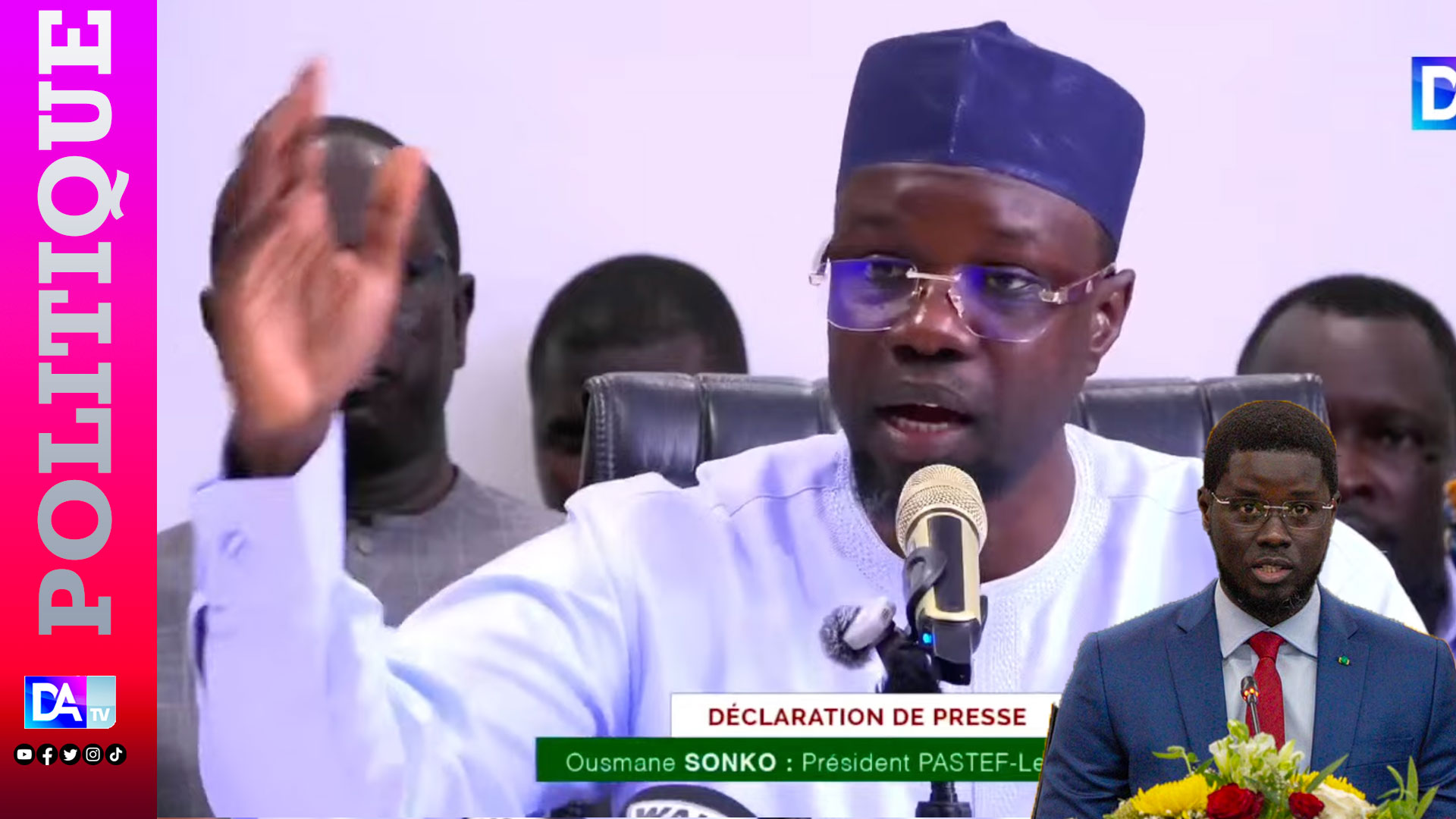
Dakar — Opposition leader Ousmane Sonko has publicly rejected a role in Senegal’s newly formed government, citing fundamental disagreements over governance and policy direction. In a sharply worded statement, he accused the administration of sidelining his party, PASTEF, despite its electoral mandate.
Breaking point in coalition talks
The declaration follows weeks of intense negotiations between Sonko’s party and the presidential team. Sources close to the discussions reveal that Bassirou Diomaye Faye, the President, had signaled an intent to move forward without PASTEF, a move Sonko described as a “strategic misstep.”
“In any functioning democracy,” Sonko emphasized, “the majority must govern, and the majority must select the Prime Minister.” He argued that PASTEF, as the dominant force in the coalition, deserved a decisive role in shaping policy—not mere token representation.
Key sticking points uncovered
During marathon talks, the two sides clashed on multiple fronts:
- Economic policy: Disagreements over public debt management and wage adjustments left no room for compromise.
- Contract renegotiations: Sonko insisted on transparency in reviewing state agreements, particularly in extractive industries.
- Judicial accountability: He flatly rejected the government’s stance, declaring, “On justice, there is no agreement at all.”
The composition of the new cabinet became another flashpoint. While the presidency proposed a 30-member executive, Sonko demanded that PASTEF hold a majority of positions. When this condition was ignored, he concluded that his party would wield no real influence in the administration.
Consequences of the standoff
With no resolution in sight, PASTEF announced it would not participate in the government led by Al Amine Lô. Sonko framed the decision as a principled stand: “We have nothing to gain from a government where we have no say over what happens.”
The move underscores growing tensions within Senegal’s political landscape, as the opposition refuses to endorse policies it views as exclusionary.