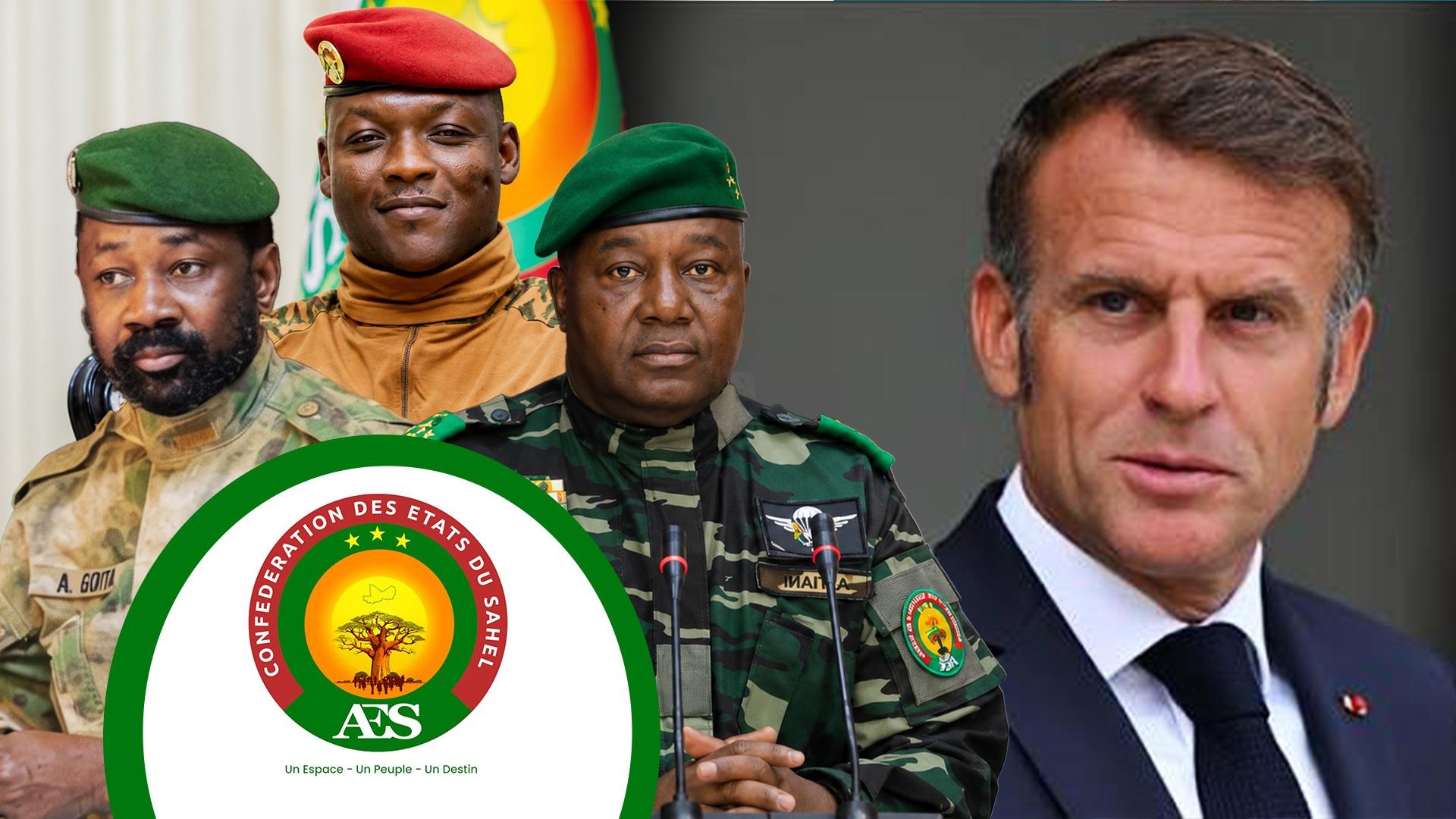

The streets of Bamako, Ouagadougou and Niamey once roared with anti-French slogans, where the removal of foreign troops and envoys was hailed as a triumphant break from colonial chains. Four years after the first military takeovers in the Sahel, the dream of a “second independence” has crumbled into a stark reality of escalating violence, economic collapse and diplomatic isolation. The promise of sovereignty, once chanted in the public squares, now rings hollow as the region faces its darkest chapter yet.
From anti-colonial rhetoric to Russian mercenaries
The original justification for the coups was the failure of Western forces to curb the rise of jihadist groups. Yet the solution embraced by the military regimes—replacing French troops with Russian paramilitaries—has only deepened the crisis. Africa Corps (formerly Wagner Group) personnel now operate alongside local armies, but the results have been catastrophic. The Jama’at Nusrat al-Islam wal Muslimin (JNIM) and Islamic State in the Greater Sahara (EIGS) have expanded their influence, seizing control of critical supply routes and encircling major cities.
The human toll is staggering. Independent monitors report a surge in civilian casualties during joint operations, where indiscriminate violence has become the norm. Displaced populations now number in the millions, fleeing both jihadist brutality and the heavy-handed tactics of allied forces. Far from securing safety, the shift to Russian-backed security has plunged communities deeper into chaos.
Diplomatic estrangement: a spiral into isolation
To deflect from domestic failures, the military-led governments of the Alliance of Sahel States (AES) have doubled down on defiance. The withdrawal from the Economic Community of West African States (ECOWAS) severed long-standing trade ties, while the abrupt departure from the International Criminal Court (ICC) and restrictions on UN agencies have left the region stranded in a legal and economic no-man’s-land.
This strategy of institutional rupture serves a single purpose: shielding authoritarian regimes from scrutiny over human rights abuses and the indefinite postponement of promised democratic transitions. Elections, once touted as the path back to civilian rule, have been postponed indefinitely, morphing temporary military rule into entrenched dictatorships.
Economic collapse and the illusion of self-sufficiency
The push for monetary sovereignty and self-reliance has collided with harsh economic realities. Trade disruptions and plummeting foreign investment have sent prices of essential goods soaring, while chronic power shortages paralyze major urban centers like Bamako and Ouagadougou. Local businesses, starved of capital and markets, are collapsing under the weight of sanctions and declining demand.
Meanwhile, national budgets are drained to fund endless military campaigns and pay for Russian mercenaries—often compensated through lucrative mining concessions. Public services, including education and healthcare, are collapsing. Schools shutter by the thousands, hospitals run out of supplies, and development projects grind to a halt. The promise of liberation has instead delivered austerity, where the poorest bear the brunt of a war economy masquerading as patriotism.
A change of masters, not a path to freedom
Four years after severing ties with Paris, the verdict is clear: the Sahel is neither safer nor more prosperous. The military regimes have replaced one external dependency with another, trading Western oversight for Russian opportunism. The “second independence” they proclaimed has devolved into a cycle of repression, impoverishment and insecurity. The sovereignty they flaunt is a facade, masking the suffering of millions trapped between jihadist terror and the iron fist of their new allies.