
Prime Minister Highlights 245 Stalled Public Infrastructure Projects Worth 279 Billion CFA Francs
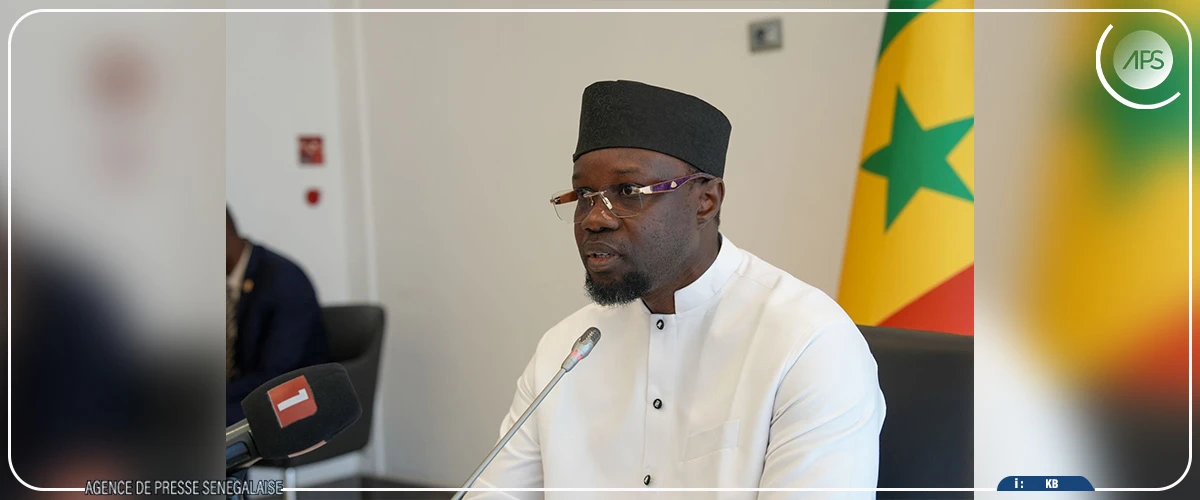
The government of Senegal has identified 245 stalled infrastructure projects across the country, representing a total public investment of 279 billion CFA francs, announced Prime Minister Ousmane Sonko during an inter-ministerial council meeting in Dakar.
Following the April 15 ministerial session, each department was tasked with compiling a comprehensive list of stalled infrastructure projects under its purview. The results revealed significant delays in both completed and ongoing constructions nationwide.
Ousmane Sonko emphasized that financial constraints remain the primary obstacle, with an additional layer of challenges stemming from technical hurdles. These delays have led to 279 billion CFA francs in dormant assets—funds tied up in projects that have either been completed but not operationalized or remain unfinished.
The Prime Minister also pointed to operational oversights as a critical factor contributing to these setbacks. Many projects were initiated without adequate consideration for post-construction use, resulting in prolonged inactivity and financial losses.
Government Takes Decisive Action to Address Infrastructure Delays
In response to these findings, Ousmane Sonko outlined two key initiatives to resolve the issue:
- A specialized committee has been established under the Prime Minister’s office to finalize and expand the inventory of stalled projects.
- A formal request has been issued to ministries to reassess their project lists, as current records are deemed incomplete.
The Prime Minister also stressed the need for proactive measures to prevent technical challenges, particularly in utility connections such as water and electricity networks, which often cause further delays.
Stricter Accountability Urged to Prevent Future Setbacks
Ousmane Sonko condemned the culture of negligence and poor project management that has led to these inefficiencies. He called for a zero-tolerance approach to ensure timely project delivery and minimize financial waste.
‘’The carelessness, laxity, and inefficiencies that have plagued these projects must end,’’ he declared. ‘’Moving forward, accountability will be enforced without exception to prevent further losses and ensure infrastructure investments serve their intended purpose.’’