The $410m migration outsourcing deal: fallout and what it means for the AES
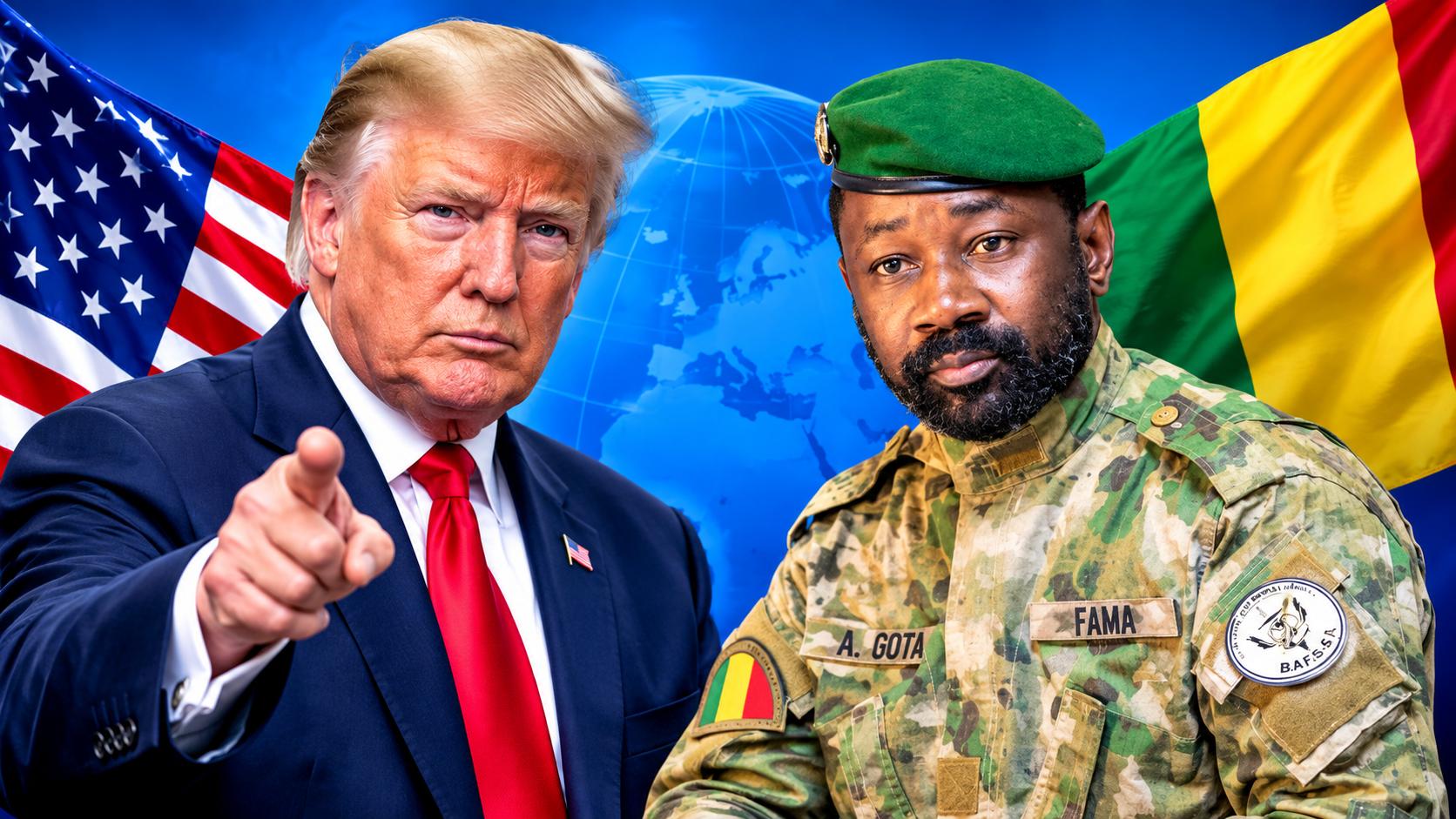
The dust is settling on a revelation that has sparked intense debate across West Africa: the Alliance of Sahel States (AES) has been quietly negotiating a migration outsourcing arrangement with Washington worth $410 million. The fallout is already reshaping public discourse, raising uncomfortable questions about sovereignty, and forcing a rethink of what comes next for the region.
Why the AES is courting Washington’s migration money
At first glance, the AES—made up of Mali, Niger, and Burkina Faso—appears committed to a clean break from Western powers, particularly the United States and France. Yet diplomatic and economic channels with Washington have remained surprisingly open. The reason is simple: a massive American financial package designed to relocate migration management to third countries. For cash-strapped governments facing military expenses and a shortage of foreign currency, the $410 million carrot (roughly €370 million) is hard to ignore.
A financial lifeline in a time of isolation
Since transitional governments took power in Bamako, Niamey, and Ouagadougou, access to traditional lenders like the European Union and the World Bank has become fraught. Past sanctions have drained public coffers. In this climate of economic asphyxiation, the U.S. program—which promises hundreds of millions to countries in Africa and Latin America that agree to host or process expelled migrants—looks like a rare source of oxygen. For AES treasuries, the temptation to capture a slice of that funding often outweighs anti-Western rhetoric.
The lucrative precedent of migration subcontracting
Washington’s checkbook diplomacy is already at work elsewhere. Deals involving Cameroon, the DRC, and Eswatini show that millions of dollars can quickly persuade governments to cooperate on migration control. For the AES, the appeal is threefold:
- A direct budget boost: Funds channeled through specialized agencies can cover logistics and infrastructure equipment.
- A diplomatic bargaining chip: By positioning themselves as indispensable partners on security and global migration flows, these regimes gain leverage—but also expose their financial dependency.
- Hard currency inflows: In economies starved of foreign exchange, any dollar injection helps stabilize public finances.
Sovereignty rhetoric meets monetary reality
The AES’s official narrative is built on reclaimed sovereignty and rejection of foreign interference. But the willingness to engage with Washington over a nine-figure contract reveals the limits of that stance. While American and European presences are expelled from the Sahel in the name of national dignity, the door remains wide open for bilateral talks with the U.S. when the sums are large enough. This double standard suggests that “monetary pragmatism” trumps ideology once the financial stakes cross a critical threshold. The allure of $410 million shows that economic realism, not revolutionary slogans, remains the ultimate arbiter of alliances in the Sahel.
What comes next: public debate and political consequences
The revelation has ignited a fierce debate within AES countries. Critics argue that outsourcing migration management to Washington betrays the very principles of independence that justified the coups. Supporters counter that securing hard currency and diplomatic recognition is a pragmatic necessity. As the region watches, the key question is whether this deal will deepen divisions or pave the way for a new kind of transactional diplomacy. One thing is clear: the fallout from the $410 million arrangement will shape the AES’s international posture for years to come.