Mali’s official narrative under scrutiny: reactions mount as reality bites
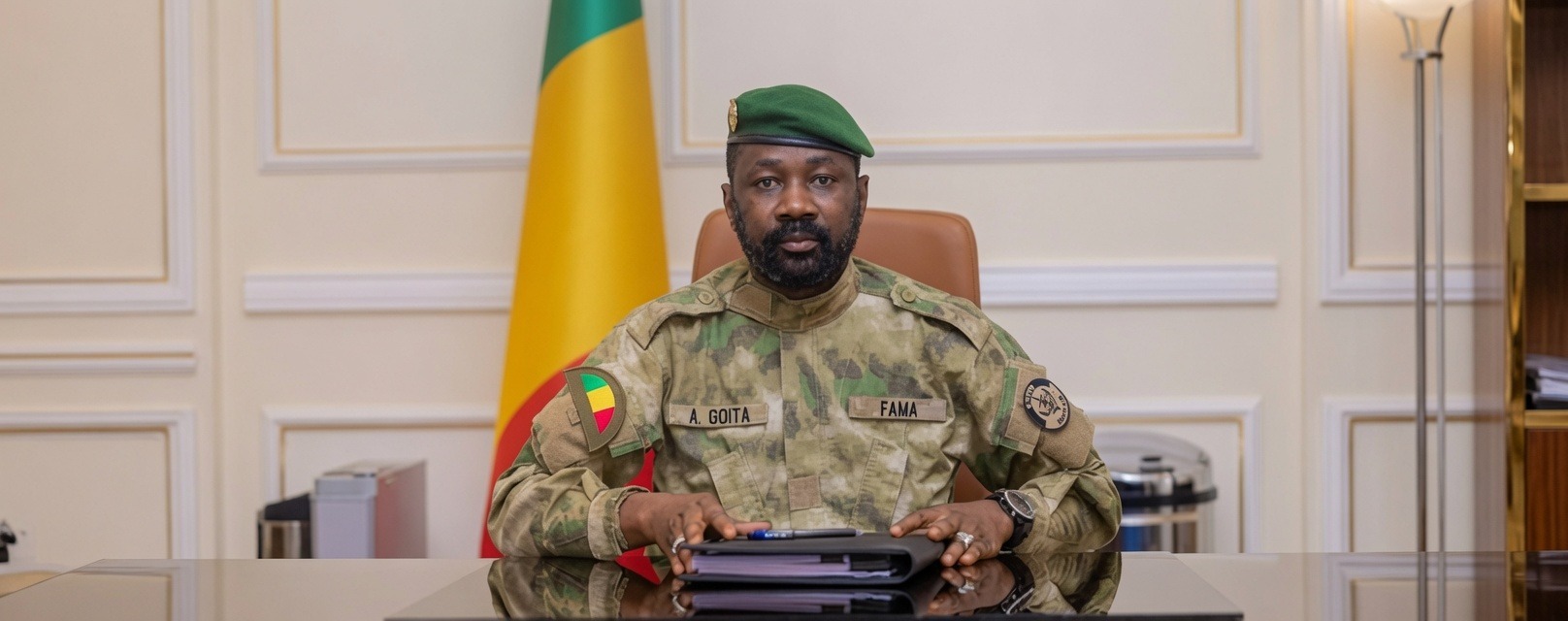
A triumphant address, but a nation on edge
On independence day, the head of Mali’s transition, General Assimi Goïta, delivered a speech to the nation that brimmed with triumphalism. He promised economic growth, touted a strengthened army, and invoked sovereign pride. Yet as the applause fades, a growing chorus of voices—from citizens to analysts—is questioning how much of that rhetoric matches the lived reality of Malians.
Security claims vs. the sound of gunfire
The presidency painted the Malian Armed Forces (FAMa) as “reorganised, equipped, and victorious,” working hand in glove with partners from the Alliance of Sahel States (AES). But on the ground, the picture is far grimmer.
- The unspoken deterioration: Large-scale attacks by JNIM or separatist groups—such as the strategic debacle at Tinzawatène or assaults on key garrisons like Dioura and Sévaré—reveal an army struggling to secure vital corridors and rural populations.
- The sovereignty mirage: While the speech celebrated “recovered autonomy,” operational dependence on the Russian paramilitary contingent Africa Corps (formerly Wagner) has deepened, costing Mali hefty financial and mining concessions—at the expense of a truly republican army.
Economic promises, empty pockets
The address highlighted a growth rate supposedly above 5% or 6%, driven by domestic resource mobilisation and mining code reforms. For most citizens in Bamako and beyond, however, macroeconomic theory is no match for soaring prices of basic goods—rice, oil, sugar—and fuel.
Power cuts and the energy illusion
While the speech mentioned an “improvement in electricity supply,” households and small businesses still endure recurrent blackouts from the national utility EDM-SA, crippling the informal economy and local production.
Mining revenues: where do they really go?
The redistribution of mining funds vaunted by authorities stands in stark contrast to the massive diversion of public revenue and exploitation licences to settle bills with the foreign paramilitary partner.
Reconciliation rhetoric, civic space in chains
General Goïta renewed his call for “reconciliation” and “national cohesion” under the Charter for Peace. Yet this appeal comes amid an unprecedented crackdown on critical voices.
- Shrinking civic space: Politicians, journalists, human rights defenders, and civil society figures face prosecution, detention, or systematic intimidation whenever they question the transition’s management.
- Broken bridges with the north: The unilateral denunciation of past peace agreements and the all-military approach have buried inclusive mediation mechanisms, replacing dialogue with a grinding conflict.
What next? A widening gap
By prioritising political communication over factual accountability, the official narrative struggles to hide the cracks in a governance model under strain. Between the self-congratulation echoing in the halls of Koulouba and the growing insecurity weighing on the provinces, the chasm between the promises of “Malikura” and the daily experience of the Malian people continues to widen. As reactions pour in, one question lingers: how long can the official story hold?