358 Russian troops killed in three years in Mali: mounting fallout forces junta and Moscow to rethink strategy
A grim milestone that challenges the official narrative
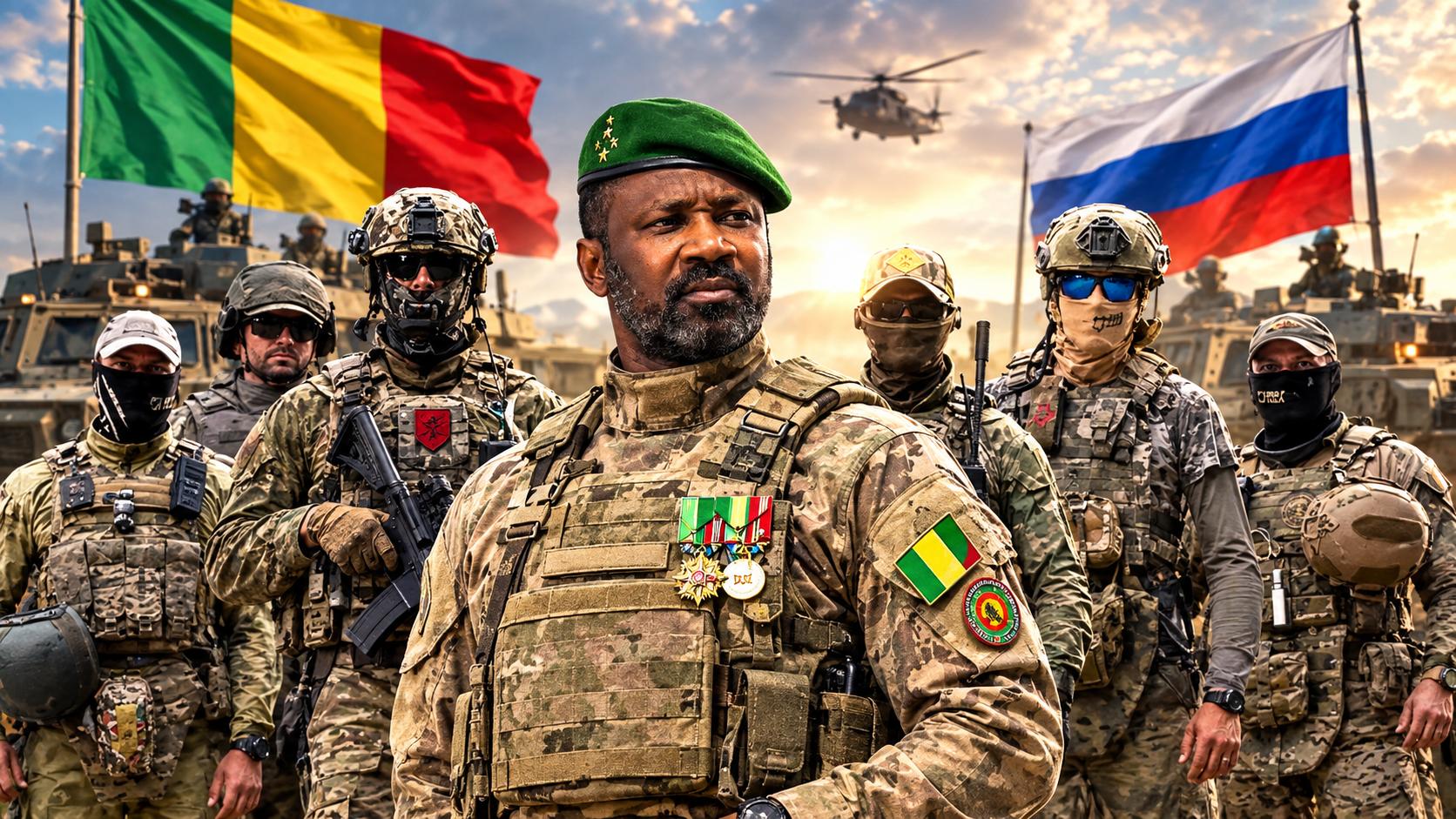
The death toll among Russian paramilitary forces in Mali has reached a level that is forcing a public reckoning. At least 358 Russian fighters — initially deployed under the Wagner banner and now operating as Africa Corps — have been killed since their arrival in late 2021, according to a compilation of independent monitoring data and security leaks. This figure, which surpasses the combined losses of Western forces over a decade, has ignited a debate about the true cost of Mali’s security partnership with Moscow.
From Tinzawatène to Sévaré: a pattern of escalating losses
The July 2024 ambush at Tinzawatène, where more than 80 Russian fighters died alongside Malian armed forces, was a turning point. But it was not an isolated incident. Coordinated assaults on strategic installations in Sévaré and advanced positions in Dioura have inflicted heavy casualties on the joint FAMA–Africa Corps contingent. Armed groups, leveraging intimate knowledge of the terrain and modern tactical tools including reconnaissance and strike drones, have repeatedly outmaneuvered the Russian-led forces, imposing a high attrition rate.
A stark comparison: French operations vs. Russian engagement
The numbers tell a story of radically different approaches:
- French operations (Serval/Barkhane, 2013–2022): approximately 59 soldiers killed over nearly nine and a half years across the Sahel.
- Africa Corps/Wagner (2021–present): approximately 358 fighters killed in just three years in Mali.
This disparity stems from opposing doctrines. Western forces relied on air support, technological intelligence, and avoiding close contact. Russian mercenaries, by contrast, are deployed directly on the front lines in high-risk clearance operations in heavily mined areas and zones riddled with IED ambushes.
Reactions: unease in the barracks and beyond
The human toll, coupled with a financial cost estimated at several hundred billion CFA francs, is raising questions about the sustainability of the security model imported from Moscow. Within military ranks and among the broader population, doubts are growing. The military transition’s initial promise of rapid pacification now appears increasingly distant, as the mounting losses among Mali’s key partner underscore the quagmire of a complex war of attrition.
What next for the junta and the Kremlin?
As the death toll continues to climb, both Bamako and Moscow face a dilemma. For the junta, the partnership with Russia was meant to be a decisive break from Western influence and a guarantee of security. Instead, it has become a source of vulnerability, exposing the limits of a strategy that relies heavily on ground operations and suffers from high casualties. For the Kremlin, the losses in Mali represent a reputational and strategic setback, complicating its broader ambitions in Africa. The coming months will test whether this model can adapt — or whether it will collapse under the weight of its own contradictions.