Cameroon’s glasses verdict: the fallout, the debate and what lies ahead for the press
Published today at 15:22 Reading time: 1 minute.
File generated on
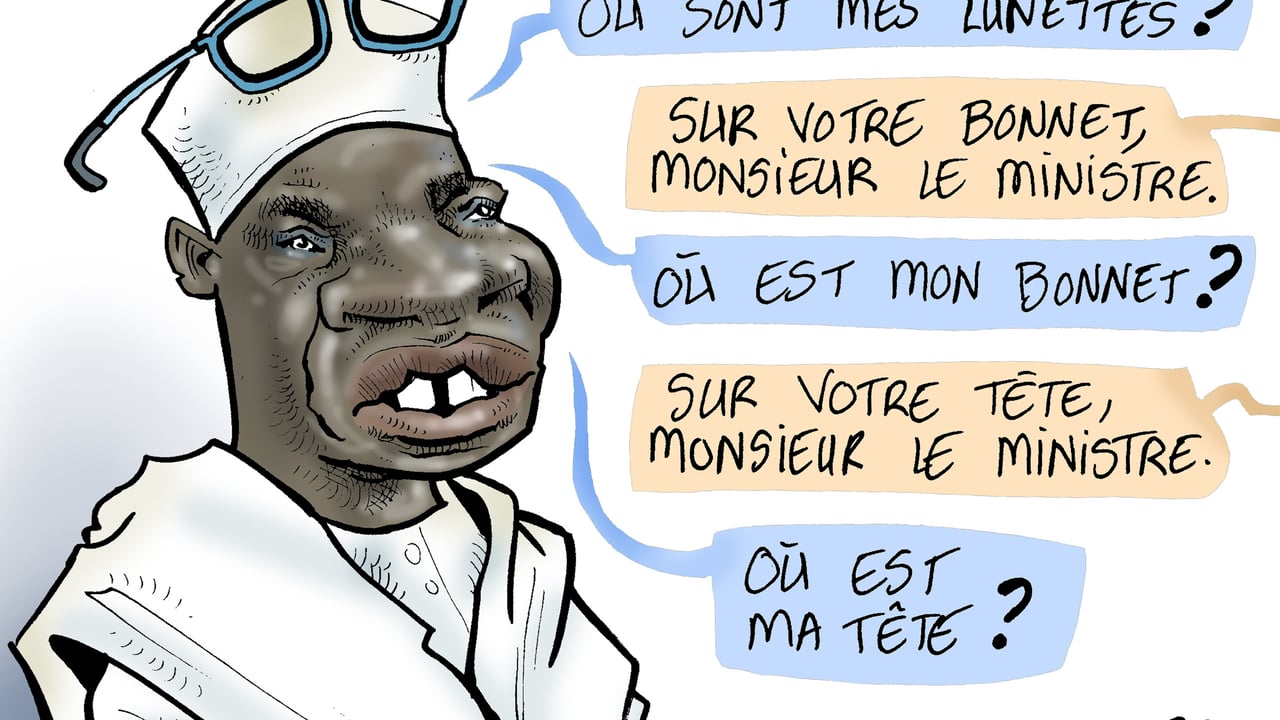
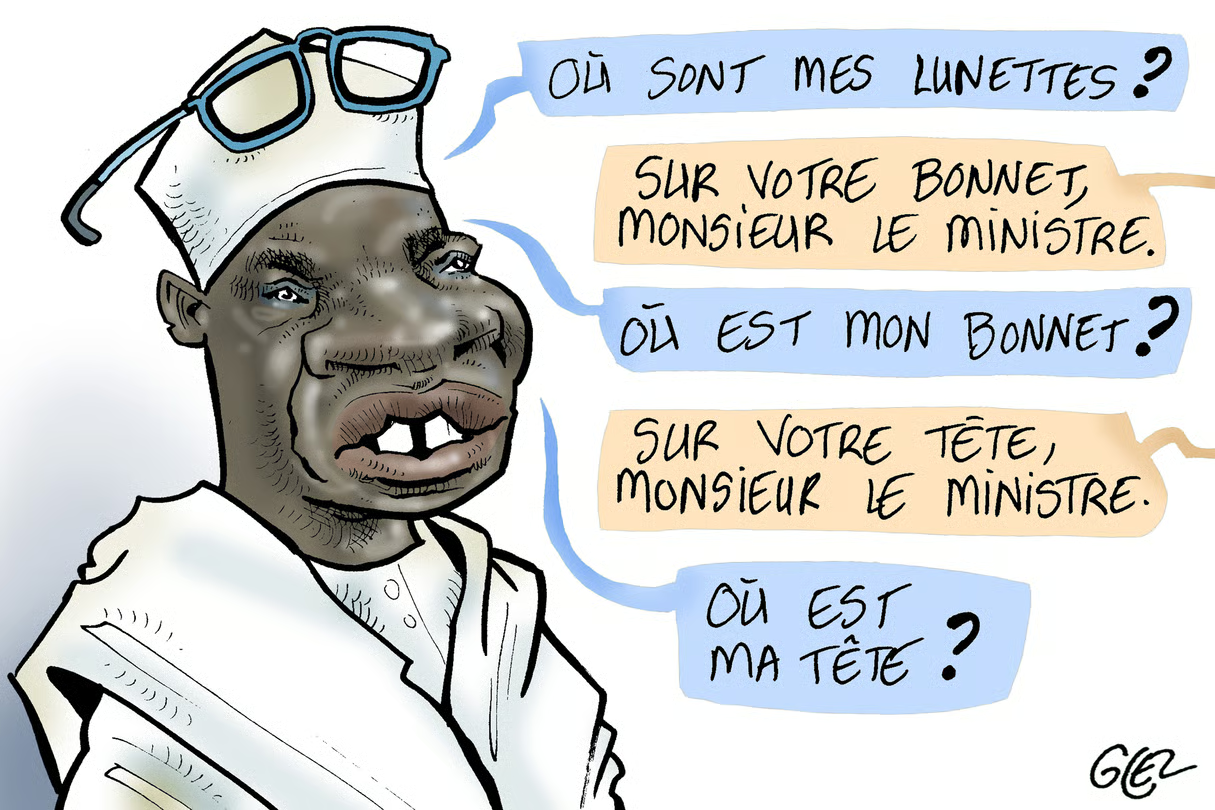
The conviction of four journalists in Cameroon over a pair of ministerial glasses has triggered a wave of reactions and raised urgent questions about what comes next for press freedom in the country. The case, which centered on a satirical piece about the minister’s eyewear, ended with heavy penalties for the reporters involved, sparking debate far beyond the courtroom.
Public outcry and media response
Within hours of the verdict, press freedom organizations and fellow journalists voiced their alarm. Many see the decision as a warning shot to the entire profession, signaling that even minor satirical content can lead to severe legal consequences. The reaction has been swift, with calls for solidarity and a reassessment of how far the law should go in punishing journalistic expression.
Legal and political ramifications
The case has also reignited discussions about the broader legal framework governing media in Cameroon. Critics argue that the punishment is disproportionate and could chill investigative reporting. Supporters of the ruling, however, insist that the journalists overstepped legal boundaries. This divide has placed the judiciary and the government under increased scrutiny, with observers wondering whether the affair will prompt any legislative review.
What lies ahead for the press
As the dust settles, the focus shifts to the future. Will this verdict embolden authorities to pursue similar cases, or will it galvanize a movement for reform? Journalists across the region are watching closely, aware that the outcome could set a precedent for how satire and criticism are treated. For now, the four convicted reporters face the immediate consequences, while the wider debate over freedom of expression continues to unfold.