What the World Is Saying About Moussa Kaka’s Disappearance in Niamey — And What Comes Next
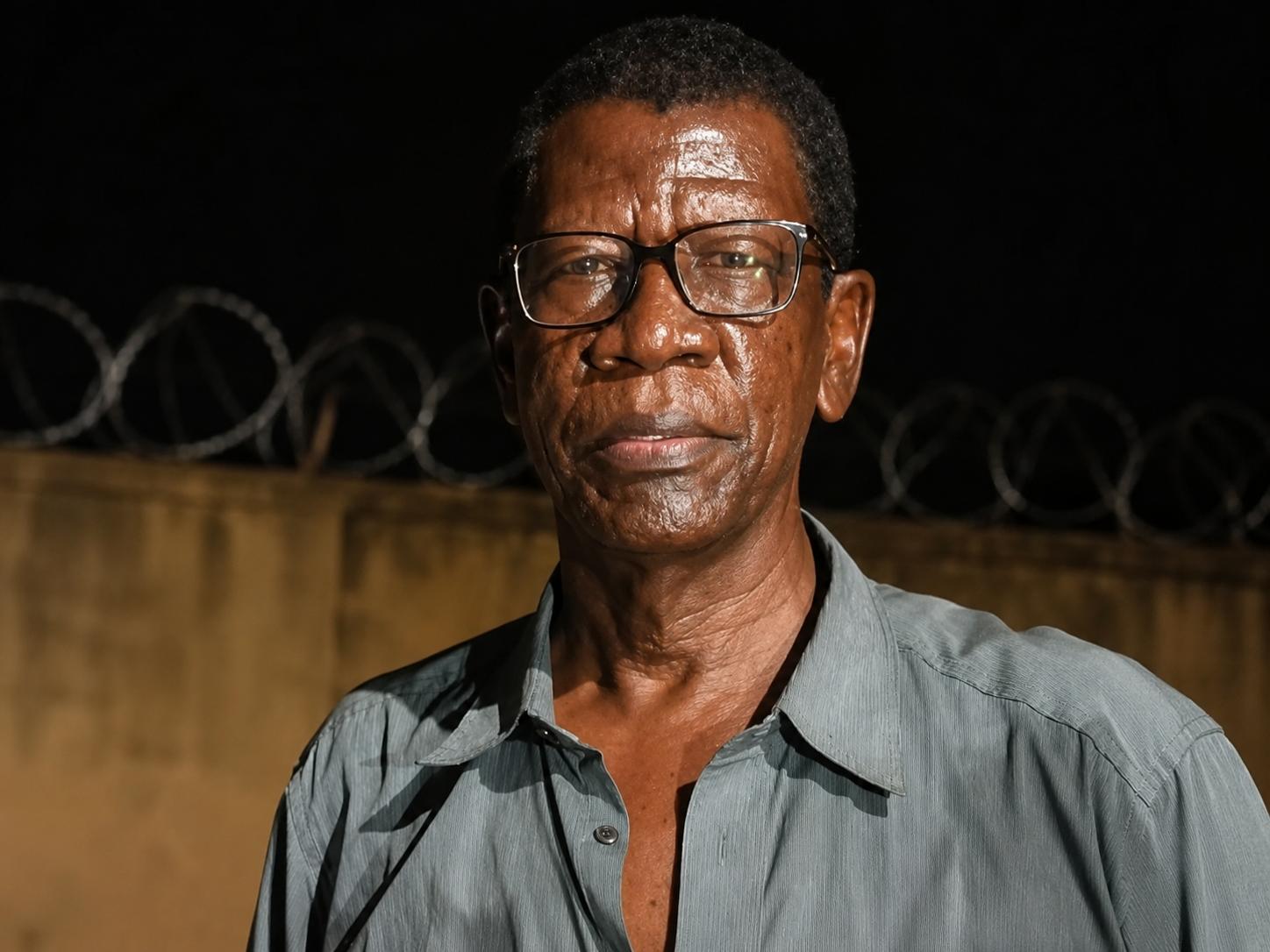
The disappearance of veteran Nigerien journalist Moussa Kaka in Niamey has triggered a wave of international reactions and hard questions about what lies ahead for press freedom across the Sahel. Kaka, director-general of Radio Télévision Saraounia (RTS) and a historic figure in West African journalism, has not been seen for several weeks. His vanishing has ignited condemnation from press advocates, anxiety among local reporters, and growing scrutiny of Niger’s transitional authorities.
How the news broke — and why it matters
Kaka left his home in Niamey and simply never resurfaced. No official arrest warrant has been produced, and inquiries made to security services and police stations across the capital have yielded nothing. For a journalist whose voice has been a fixture on African airwaves for decades, the silence is deafening.
Known for rigorous coverage of security crises, political upheaval, and complex community dynamics across the Sahelo-Saharan belt, Kaka built a career on in-depth investigations and privileged access to actors on the ground. That same professional record repeatedly exposed him to pressure from various regimes over the years.
RSF’s blunt message to Niger’s government
Reporters Without Borders (RSF) was among the first to speak out. Sadibou Marong, who heads RSF’s West Africa bureau, described the situation as deeply alarming. He called on Nigerien authorities to clarify whether Kaka is being held by intelligence services and to guarantee his physical safety and immediate release.
“Moussa Kaka’s disappearance is an extremely alarming signal for the entire Nigerien and Sahelian media landscape,” Marong said. “We urgently ask the Nigerien authorities to shed full light on his situation.”
The organization stressed that protecting journalists is the responsibility of the transitional government — and that reporting news should never be equated with destabilization.
A regional pattern of pressure on the press
This case unfolds against a backdrop of tightening constraints on journalism across the Alliance of Sahel States (AES), which groups Niger, Mali, and Burkina Faso. Since military transitional governments took power, civic and media space has shrunk considerably: international outlets suspended, intimidation campaigns, arbitrary detentions of civil society figures, and forced self-censorship among local reporters.
For Niger’s press corps, Kaka’s case has become a symbol of deteriorating protections for journalists. As the sub-region confronts enormous security and economic challenges, the disappearance of one of its most respected voices casts a dark shadow over the future of the right to report freely from Niamey.
What observers are watching next
The coming days will be critical. Whether Nigerien authorities respond to RSF’s demands, whether any official explanation emerges, and whether Kaka’s colleagues can continue working without fear — these are the questions now dominating conversations among media professionals and rights advocates across the region.
For now, the silence from Niamey speaks volumes, and the fallout is only beginning to unfold.