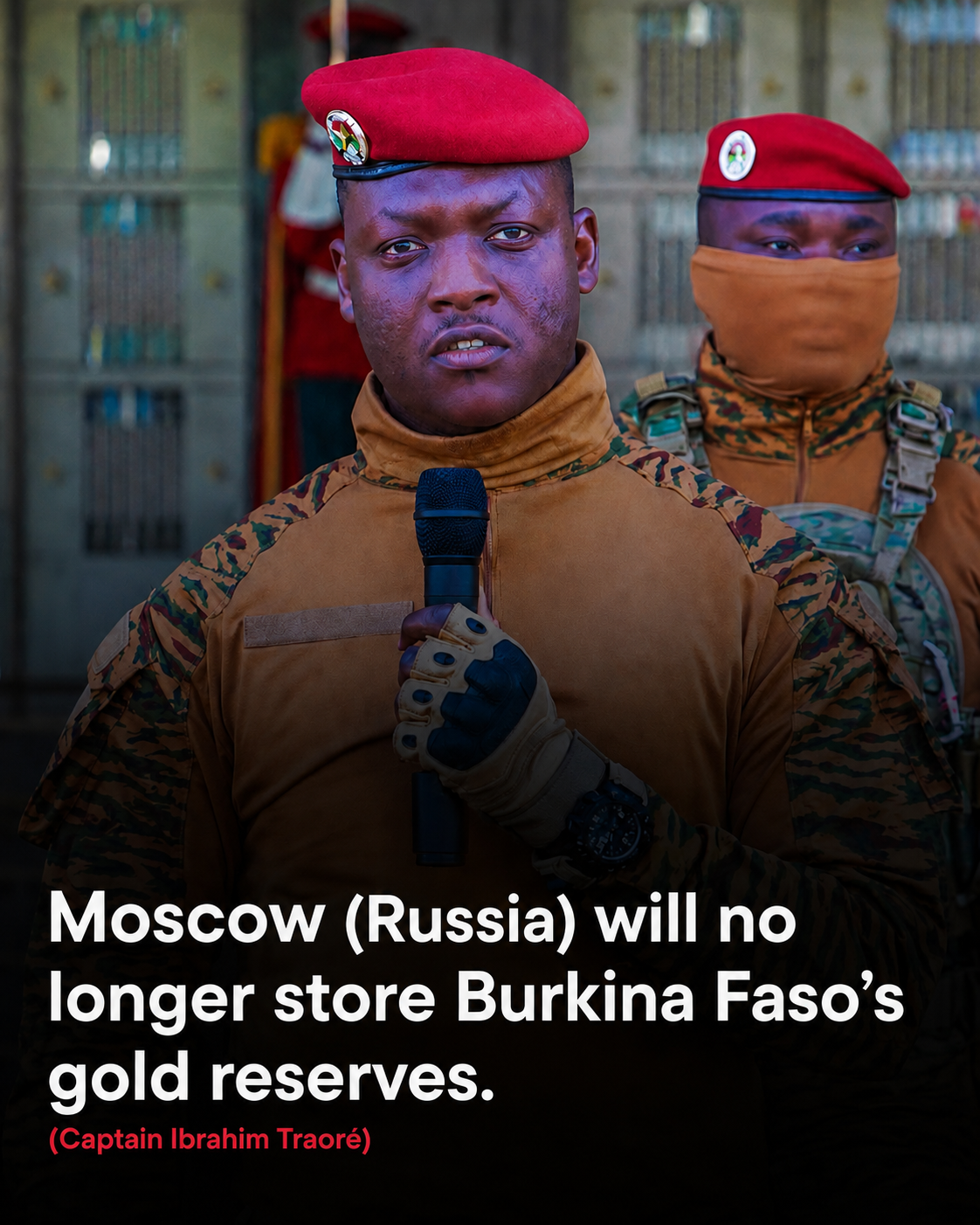

In the heart of Ouagadougou, the rhetoric of national liberation has become the cornerstone of the transition government led by Captain Ibrahim Traoré. This narrative of reclaiming sovereignty has found a powerful resonance among a younger generation eager to break ties with former colonial structures. However, as the partnership with the Russian Federation intensifies, the promise of true independence is being met with growing skepticism. Rather than achieving the autonomy it seeks, Burkina Faso appears to be navigating a shift from one sphere of influence to another, raising urgent questions about the long-term cost of this new alliance.
The economic stakes of the gold sector
Recent discussions regarding the management and protection of national resources—specifically gold, which constitutes nearly 80% of the country’s export revenue—reveal a deepening vulnerability. By engaging in lopsided agreements where Russian entities demand significant control or financial concessions, the administration in Ouagadougou may be undermining its own economic foundations.
Handing over the oversight or storage of precious metals to foreign powers under the guise of protecting them from Western interference is a move fraught with historical irony. A truly sovereign state builds its own internal capacity to safeguard its wealth rather than trading access for protection. When the price for securing the subsoil becomes a permanent tribute to a foreign superpower, the line between cooperation and economic subordination begins to blur.
The high cost of military outsourcing
On the security front, the transition’s reliance on Moscow has yet to yield the decisive stability many hoped for. The arrival of Russian instructors and paramilitary units, now operating under the Africa Corps banner, was intended to rapidly dismantle the threat posed by armed terrorist groups. Yet, the financial burden of this military assistance is weighing heavily on the national budget.
Furthermore, the security situation remains precarious, as evidenced by a series of brutal attacks against the Defense and Security Forces (FDS). By tying its survival to the geopolitical interests of the Kremlin—an actor currently preoccupied with its own international conflicts—Burkina Faso risks becoming a secondary priority. This creates a dangerous imbalance: if Moscow chooses to shift its focus or escalate its financial demands, the government in Ouagadougou will find itself with very little leverage to negotiate.
Trading one master for another
The most significant criticism of the current regime lies in the apparent contradiction of its doctrine. It is difficult to reconcile the rejection of Western paternalism with the uncritical embrace of Moscow’s opportunistic interests. Substituting one form of external oversight for another is rarely a path to genuine liberation; instead, it often signals a lack of viable alternatives.
Russia’s involvement in the region is not driven by altruism or a shared anti-colonial struggle. Its primary goals are to bypass international sanctions, secure strategic minerals, and cultivate diplomatic allies to counter Western influence. In the rush to distance itself from its traditional partners, Burkina Faso may have simply traded one set of constraints for another, leaving the nation’s future in the hands of a different foreign power.
Diplomatic isolation and the path forward
This exclusive focus on a bilateral relationship with Russia is also isolating Burkina Faso from its regional neighbors and traditional international partners. By distancing itself from established financial institutions and creating friction within the sub-region, the transition government is narrowing its own room for maneuver. A robust and sovereign foreign policy typically involves diversifying partnerships to balance competing influences, rather than becoming dependent on a single, asymmetric relationship.
For the citizens of Burkina Faso, the long-term consequences of these choices are becoming increasingly clear. True sovereignty is not found in the volume of anti-Western speeches, but in the practical ability of a nation to dictate its own path without external permission. By mortgaging its natural resources and outsourcing its national security, the current leadership may be compromising the very independence it claims to defend.