
Military juntas in Mali, Guinea, Burkina Faso, and Niger are intensifying their efforts to suppress any form of internal opposition. To effectively neutralize critical voices, security and defense forces are systematically using forced disappearances and arbitrary detentions as primary tools of intimidation.
Since July 9, 2024, the fate of two prominent Guinéen activists remains a grave concern. Mamadou Billo Bah and Oumar Sylla, better known as “Foniké Menguè,” both members of the Front National pour la Défense de la Constitution (FNDC), were abducted from Sylla’s home. Their disappearance occurred just before a planned protest against the high cost of living and for a transition to civilian rule. According to Mohamed Cissé, a fellow activist who was detained alongside them before being released with significant injuries, the men were transported to a detention facility located within the Loos Islands, off the coast of Conakry. Despite these accounts, the authorities continue to deny any involvement in the detention of Mamadou Billo Bah and Oumar Sylla, leaving their current status unknown.
In these extrajudicial circuits, victims are exposed to the most severe risks without any legal protection.
Weaponising terror against civil society
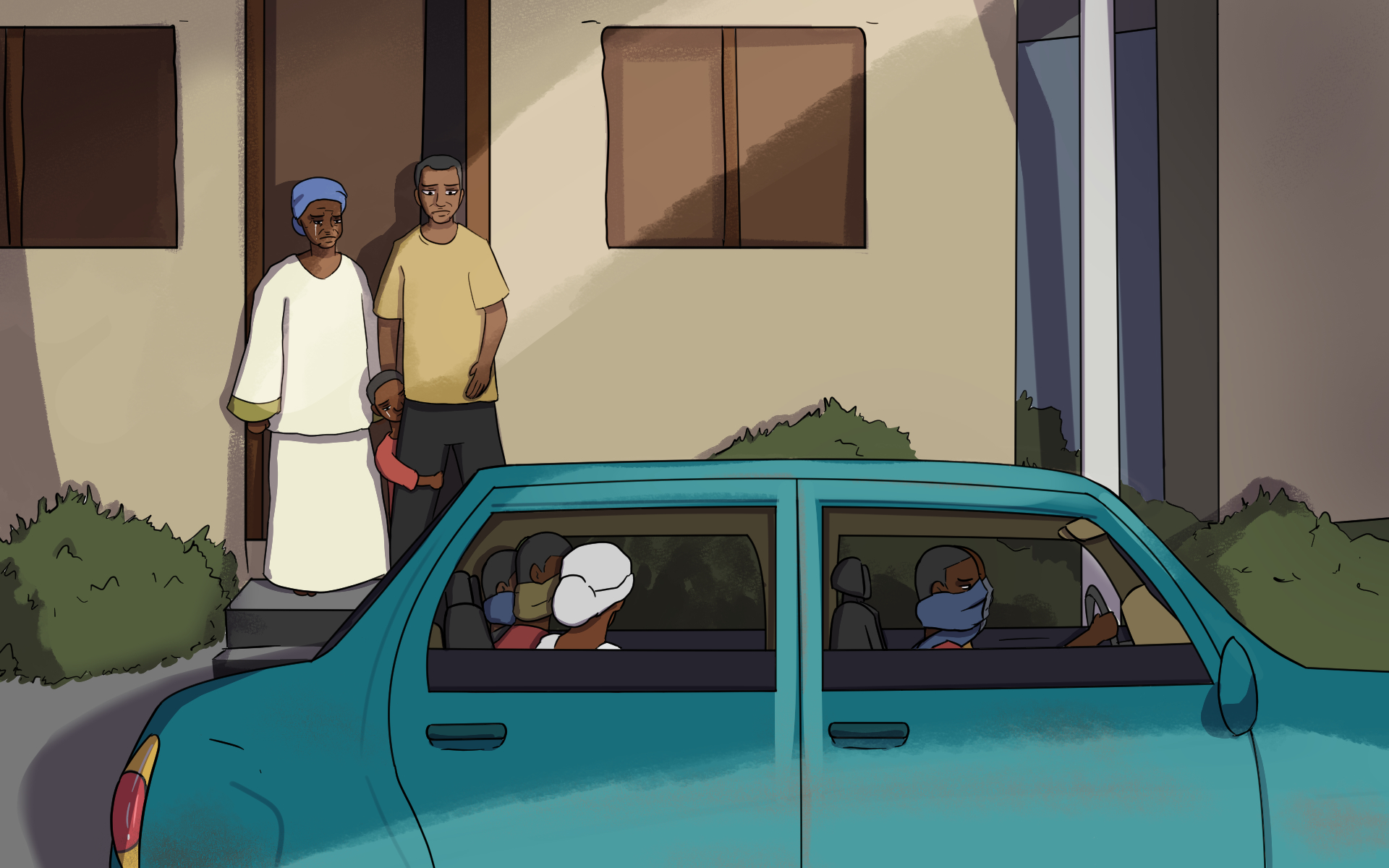
In various West African nations under military rule, security forces are targeting individuals perceived as threats to the regime. This pattern of repression affects journalists, lawyers, judges, and human rights defenders. The methodology is often identical: armed individuals, sometimes in uniform and sometimes in plain clothes, seize targets from their homes, workplaces, or directly off the street. Victims are typically blindfolded and bundled into unmarked vehicles before being held in secret locations for interrogation periods that can last from days to several months.
These operations bypass all legal frameworks. No warrants are issued, and judicial procedures are ignored. Families and legal counsel are left in the dark as authorities either remain silent or flatly deny custody of the missing individuals. It is often only much later that information surfaces regarding their detention in informal sites, such as security service offices. This climate of uncertainty is a deliberate tactic designed to instill a deep sense of fear throughout civil society.
An expanding list of victims and illegal detentions
The number of people subjected to these practices continues to grow across the region. In Burkina Faso, Guy Hervé Kam, a lawyer and co-founder of the Balai Citoyen movement, was held illegally for five months in 2024. More recently, in March 2025, five other members of the Sens political movement were abducted by armed men after they spoke out against civilian massacres. In another disturbing trend, journalists such as Serge Oulon, Adama Bayala, and Kalifara Séré were kidnapped in mid-2024. After months of silence, the government eventually claimed they had been conscripted into the military under a general mobilization decree. The whereabouts of a fourth journalist, Alain Traoré, also known as “Alain Alain,” remain a mystery.
In Niger, the journalist and blogger Samira Sabou was held in an undisclosed location for a week in September 2023 following her arrest. Similarly, the lawyer for Moussa Tchangari, a leader of the organization Alternatives Espaces Citoyens, only discovered his client’s location two days after his arrest, once he had been moved to official police facilities.
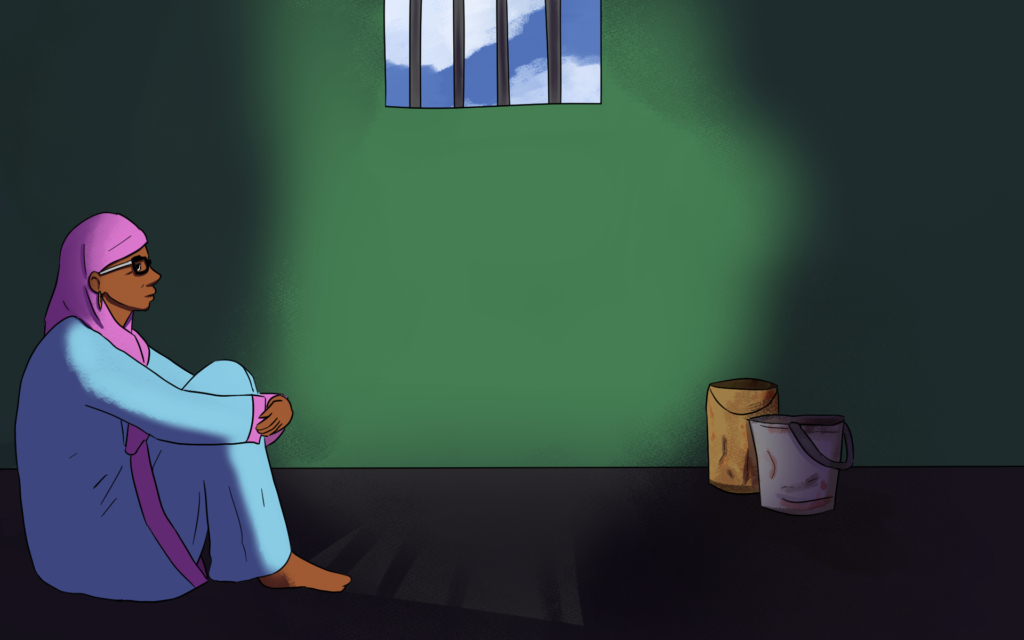
In Mali, the opposition figure Ibrahim Nabi Togola was abducted in late 2024 and held incommunicado for 45 days before his release. In Guinée, journalist Habib Marouane Camara was taken by armed men on December 3, 2024; his family has received no news of him since.
Illegal detentions frequently culminate in the victim being handed over to police to face fabricated legal charges.
The judiciary as a final bulwark for the rule of law
While many detentions lead to manufactured court cases, some situations in Burkina Faso have taken a more punitive turn: the forced recruitment of dissidents into the army to serve on the front lines. This has happened to journalists like Guézouma Sanogo and Boukari Ouoba, who had criticized the lack of press freedom. After disappearing for a week in March 2025, they appeared in videos on social media wearing military fatigues.
It is vital that the judicial system continues to investigate these disappearances and uphold human rights.
There are urgent calls for the authorities in Mali, Guinée, Burkina Faso, and Niger to end these repressive practices. In this climate of fear, the role of the judiciary is more critical than ever to protect individuals and investigate abuses.
Some members of the legal profession have shown immense bravery. In Burkina Faso, judges ordered the release of Guy Hervé Kam, while the Guinée bar association boycotted court sessions to demand the release of Oumar Sylla and Mamadou Billo Bah. However, these acts of defiance often lead to retaliation; at least five Burkinabè magistrates were themselves forcibly conscripted into the military in 2024 after handling sensitive cases. International support for the justice sector in these countries is essential to ensure the survival of the rule of law and the safety of those still missing.