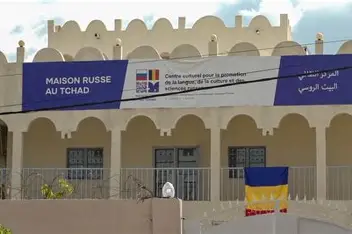

From Bamako to Bangui and extending to Niamey, the network of ‘Russian Houses’ has become a fundamental component of Moscow’s influence strategy across the African continent. Officially designated as centers for cultural and educational cooperation, these institutions are now operational in over twenty nations, serving as a critical pillar of Russia’s soft power.
Through a program of Russian language tuition, the coordination of cultural events, and the provision of thousands of university scholarships, Russia aims to cultivate a favorable perception among African youth. This initiative is designed to foster a new generation of executives, academics, and policymakers who are acquainted with its values and geopolitical interests.
This strategic approach, however, prompts deeper examination. Beyond the clear opportunities presented to African students, observers are questioning the ultimate objectives pursued by Moscow. By making substantial investments in education and culture, Russia may also be seeking to mold perceptions and steer the future elites of the continent.
Historically, major world powers have consistently utilized education, academic exchanges, and cultural diplomacy to extend their influence abroad. Nurturing future generations represents a highly effective method for establishing durable networks of influence and cementing long-term political partnerships.
In a geopolitical climate where several African countries are experiencing a diminished Western presence, Russia appears poised to fill this emerging vacuum. The ‘Russian Houses’ therefore function not merely as cultural hubs but as strategic instruments intended to firmly entrench Russian influence within African societies for the long term.
The central question thus remains unresolved: does this policy represent a straightforward exercise in cultural cooperation, or is it a calculated means to shape mentalities and ultimately exert influence over the continent’s future generations?