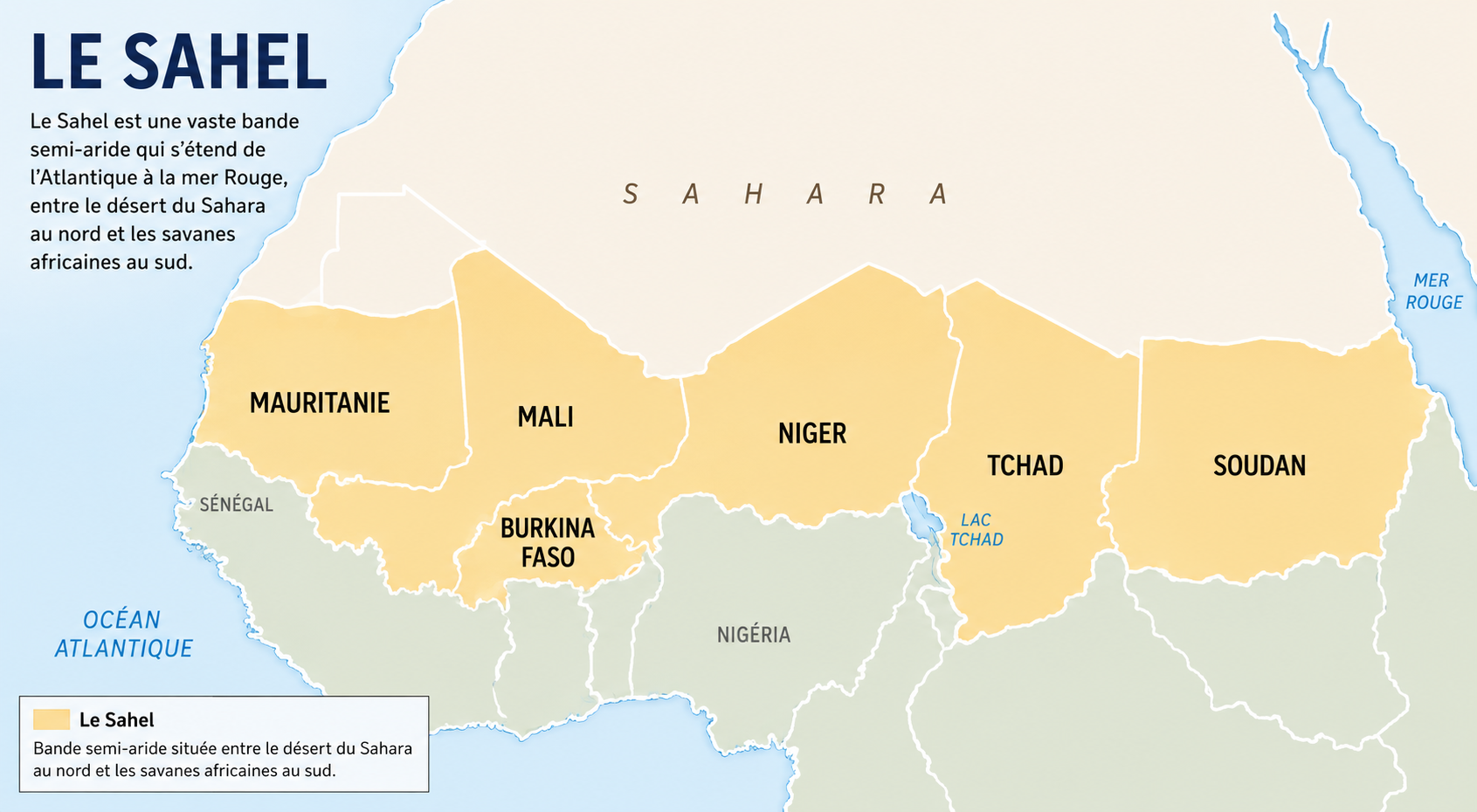

While global attention remains largely fixed on conflicts in Ukraine and the Middle East, a profound humanitarian emergency continues to deepen across the Sahel, largely unnoticed. This extensive region is grappling with one of the most severe and underfunded crises on the planet, with over 24 million individuals projected to require immediate aid in 2026.
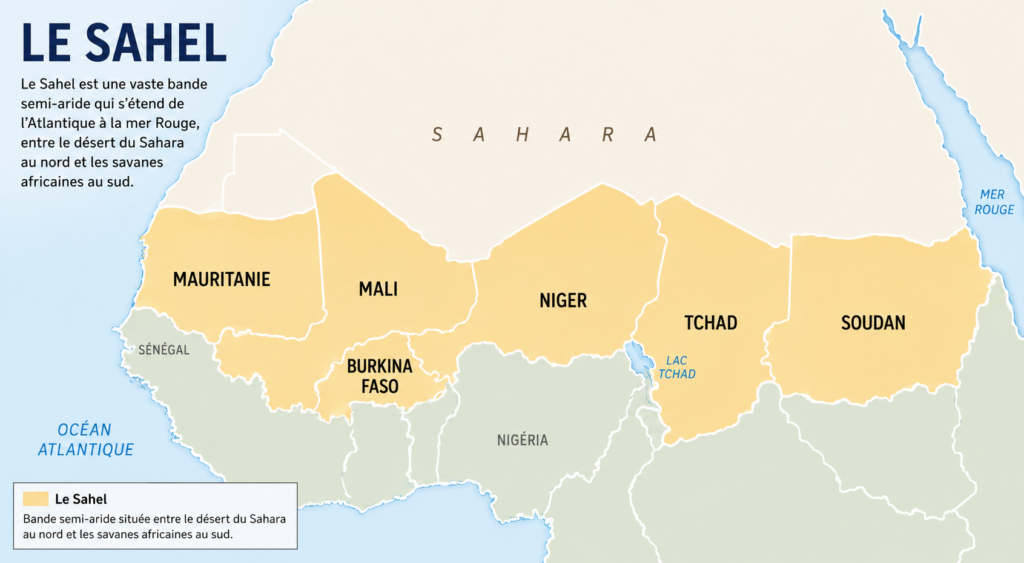
From Mauritania to Chad, spanning across Mali, Burkina Faso, and Niger, communities are enduring a confluence of adversities that progressively erode their ability to survive. Armed conflicts, mass displacements, rampant inflation, the relentless impact of climate change, and pervasive food insecurity are collectively plunging millions of families into a state of extreme vulnerability. This on the ground Sahel reporting reveals a dire situation.
The latest figures from the United Nations Office for the Coordination of Humanitarian Affairs (OCHA) paint a distressing picture. Between June and August, a critical lean season before harvests, an estimated 15.5 million people could face severe food crisis or worse. Among these, over 1.5 million are at risk of an acute food emergency, demanding immediate life-saving assistance.
Beyond these stark statistics lie profound human realities: families forced to drastically cut back on meals, farmers unable to afford essential fertilizers or seeds, children deprived of education, and entire communities uprooted by escalating violence.
International aid falters amid rising needs
A most alarming development for humanitarian agencies is the sharp and sustained decline in funding. In 2025, merely 29% of the required funds for humanitarian operations in the region were secured. This historically low level of support compels organizations to scale back interventions, suspend vital programs, or withdraw entirely from some of the most vulnerable territories.
This reduction in aid is occurring precisely when needs are soaring. The economic fallout from international tensions, particularly in the Middle East, continues to drive up prices for energy, transportation, and agricultural inputs. These increases disproportionately affect already fragile populations. Every cut in funding directly translates into tangible human consequences on the ground: less food assistance, diminished protection for women and children, and reduced access to healthcare and education.
Violence expands its deadly reach
The deepening food crisis is intrinsically linked to a security situation that shows no signs of improvement. Once largely contained within the Central Sahel, insecurity is now spilling over into several West African coastal nations. Across numerous areas, armed groups persistently expand their influence, triggering massive population displacements and forcing the closure of essential services. A staggering 12,900 schools have been forced to shut their doors, denying over 2.3 million children access to vital education.
Humanitarian experts caution that this widespread educational deprivation poses a long-term threat. An entire generation risks growing up without foundational learning in regions where economic opportunities are already scarce, making young, vulnerable populations prime targets for exploitation by armed groups.
Climate change intensifies existing vulnerabilities
Adding to the political and security instability are the devastating effects of climate change. Since the start of the year, approximately 590,000 people have been impacted by severe floods, while recurring droughts and desertification steadily deplete available resources. This Mali Niger Burkina reporting highlights the environmental challenges.
The Sahel thus stands at the intersection of multiple global crises. Despite being one of the least responsible regions for global warming, it is paradoxically among the most exposed to its catastrophic consequences.
In light of this critical situation, the United Nations urgently appeals to international donors to significantly increase their support. Swift action is crucial to avert a further catastrophic escalation of the humanitarian disaster. Solutions still exist, but without substantial additional funding, millions of people face a dramatic deterioration of their living conditions in the coming months.