
The Sahel: from Mali to Lake Chad, a jihadist stronghold in the making
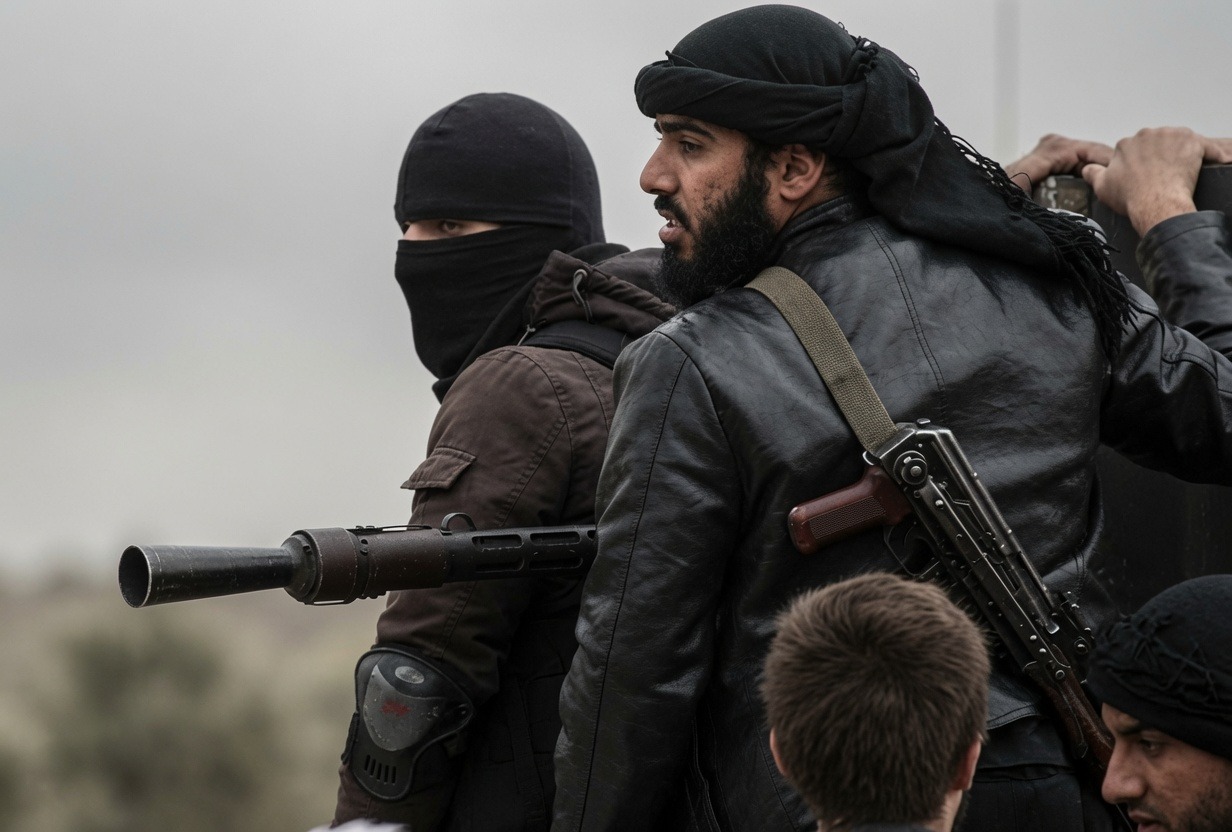
The vast stretch of land from western Mali to the shores of Lake Chad has become ground zero for global jihadism. Across this fragile region, communities once thriving on agriculture, trade and local traditions now live under the suffocating rule of armed groups linked to Al-Qaïda or the Islamic State. Farmers face brutal restrictions on cultivating their land, women endure oppressive social edicts, and every family lives in fear of sudden, violent raids. Yet the most alarming aspect of this crisis isn’t the strength of the attackers—it’s the glaring absence of a coherent, long-term security strategy in the Sahel.
Fragmented responses and the illusion of control
As jihadist networks crisscross porous borders with relentless agility, national responses remain shockingly disjointed. Governments react in bursts of emergency measures after each atrocity, rather than implementing a unified, forward-looking defense doctrine. True security policy isn’t built on the purchase of drones or fleeting social media announcements. It demands:
- A sustainable, cross-border strategy that aligns military, intelligence and governance efforts across the Sahel.
- A proactive defense of vital infrastructure, including roads and farmlands, to shield rural economies from disruption.
- A robust intelligence network that predicts enemy movements instead of merely responding to attacks.
Without these pillars, the Sahel’s strategic void becomes jihadist territory. Armed groups don’t just attack—they occupy, tax, and govern. Entire districts slip beyond state control, falling under the shadow rule of extremists.
Military-first policies: a dead-end approach
Another dangerous misstep is the belief that force alone can defeat the crisis. By neglecting the human dimension of security—rebuilding schools, clinics, courts and basic services—governments leave vacuums that jihadist recruiters eagerly fill. When military operations succeed in pushing back militants, the gains are often short-lived. As soon as troops withdraw, extremists return, more entrenched and more accepted by communities desperate for governance and justice.
The lack of a comprehensive, long-term vision means every tactical victory is undermined by strategic failure. The cycle continues: attacks, reactions, retreat, resurgence—leaving civilians trapped in a spiral of violence and neglect.
A call for coordinated action before it’s too late
The situation from Mali to Lake Chad is a stark warning. An insurgency of this scale and sophistication cannot be defeated through improvisation or fragile alliances. The Sahel’s leaders must move beyond speeches and short-term fixes. A cohesive, evidence-based security policy—one that integrates military action with governance, development and intelligence—is the only path to reclaiming stability. Until then, the ground will keep slipping from under the state’s feet, and the jihadists will keep tightening their grip on the region.