
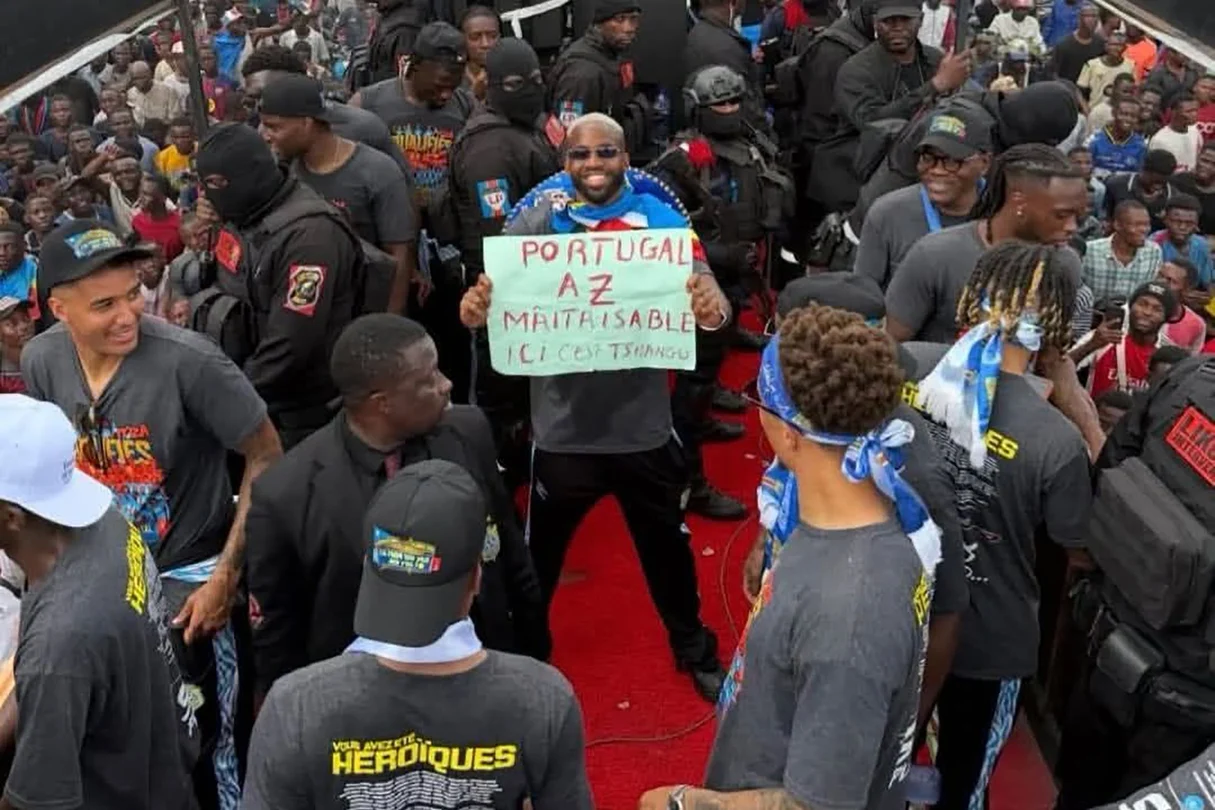
The term Maîtrisable has transcended the terraces of football stadiums to become a symbol of the complex intersection between sports and justice in the République démocratique du Congo. While fans of the Léopards use it to express confidence in their team, the word carries a heavy historical weight linked to the country’s political landscape.
A slogan born from the courtroom
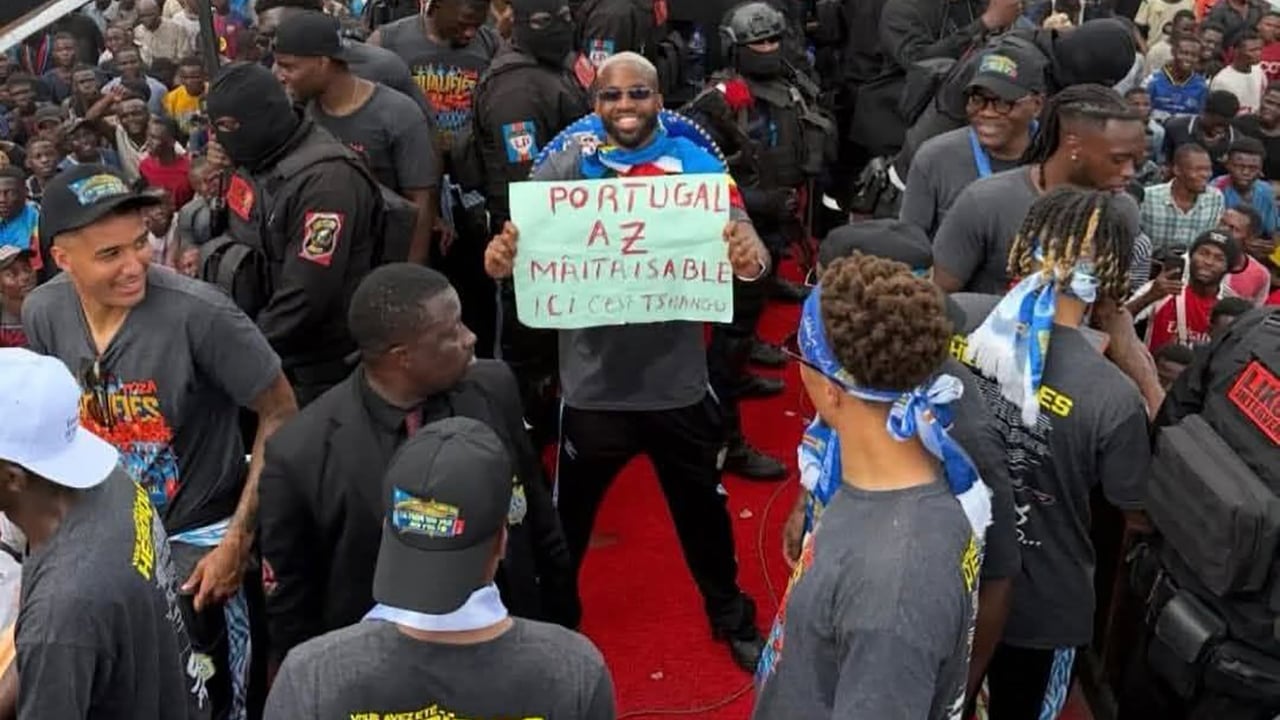
When star striker Cédric Bakambu was seen holding a sign emblazoned with the word “Maîtrisable” in June 2026, it was a nod to a phrase that had already permeated the Congolese public consciousness. Far from the pitch, this expression gained traction during high-profile legal proceedings that defined a specific era of governance in the RDC. It suggests a situation that is “under control,” but in the context of the Prison de Makala, it often referred to the management of political dissent and the shifting alliances between the nation’s leaders.
The slogan effectively bridges the gap between the administration of Félix Tshisekedi and the lingering influence of his predecessor, Joseph Kabila. In the streets of Kinshasa and beyond, the term has been repurposed by the youth and football enthusiasts as a way to reclaim a narrative that was once confined to the grim walls of judicial institutions.
The cultural impact of political language
The transition of “Maîtrisable” from a legalistic or political defense into a popular sporting chant highlights how deeply the RDC‘s political history is woven into its daily life. For the supporters of the Léopards, adopting this language is an act of irony and resilience. It reflects a society that is acutely aware of the power dynamics at play, whether in the halls of justice or on the green grass of the stadium.
As the RDC continues to navigate its internal challenges, the evolution of this single word serves as a testament to the enduring connection between the country’s political trials and its national identity, proving that in the Sahel and central Africa, football is never just a game.