
The tenere desert a silent graveyard for migrants fleeing Niger
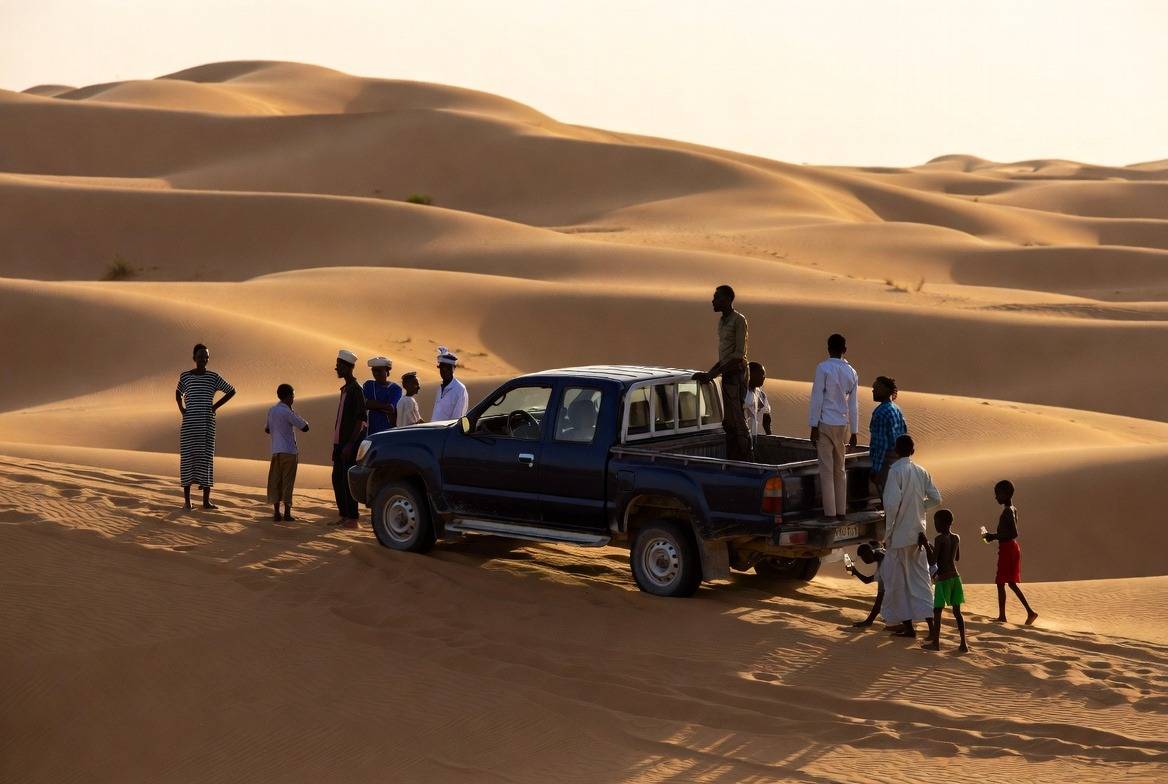
The Ténéré Desert, stretching across northern Niger, is both a breathtaking expanse of golden dunes and a merciless expanse of death for countless migrants. While global attention often fixates on the Mediterranean crossings, the perilous Sahara crossing remains a far deadlier journey for thousands seeking refuge in Europe.
In 2025, the grim pattern persisted. Local humanitarian workers documented at least 35 fatalities in the Nigerien desert over the past year—a figure they acknowledge as only the barest fraction of the true toll. The vast, lawless terrain makes accurate victim counts nearly impossible, leaving many deaths unrecorded and unacknowledged.
The treacherous path to survival
For West African migrants—many from Mali, Guinea, Senegal, or Burkina Faso—the city of Agadez serves as the final urban outpost before venturing into the Ténéré. Beyond this point lies a landscape of unimaginable cruelty, where the journey’s horrors unfold with relentless consistency.
The recurring causes of these fatalities are as predictable as they are tragic:
- Mechanical failures: Overloaded and poorly maintained vehicles frequently break down in the middle of nowhere, leaving passengers stranded in the scorching heat.
- Abandonment by smugglers: Fearing military patrols, some trafficking networks abandon migrants in the desert, prioritizing their own escape over human lives.
- Extreme conditions: With temperatures soaring above 50°C and no navigational aids, dehydration and exhaustion claim victims within hours.
A local activist, speaking on condition of anonymity, described the desert’s indifference: « The sands forgive nothing. When a vehicle fails and water runs out, survival is measured in hours. Many bodies are buried by the wind before anyone even learns of their fate. »
The unintended consequences of hardened borders
Human rights advocates argue that this silent catastrophe stems directly from the militarization of migration routes. Though Niger’s ruling junta repealed the 2015 migrant trafficking law in late 2023, the pathways remain clandestine—and increasingly hazardous.
To evade surveillance by Nigerien security forces, smugglers now take detours through remote, uncharted areas, significantly increasing the risk of getting lost or stranded.
A call for urgent action
Civil society groups, including grassroots networks, are racing to document these tragedies and dispatch life-saving alerts using local vigilance systems. Yet their efforts are severely hampered by limited resources and restricted access to military zones.
Until the root causes of migration persist and legal pathways remain closed, the dunes of Niger will continue to conceal the human cost of desperate journeys. For families left in limbo, the Ténéré Desert remains an open wound—where loved ones vanish without a trace, swallowed by the endless sands.