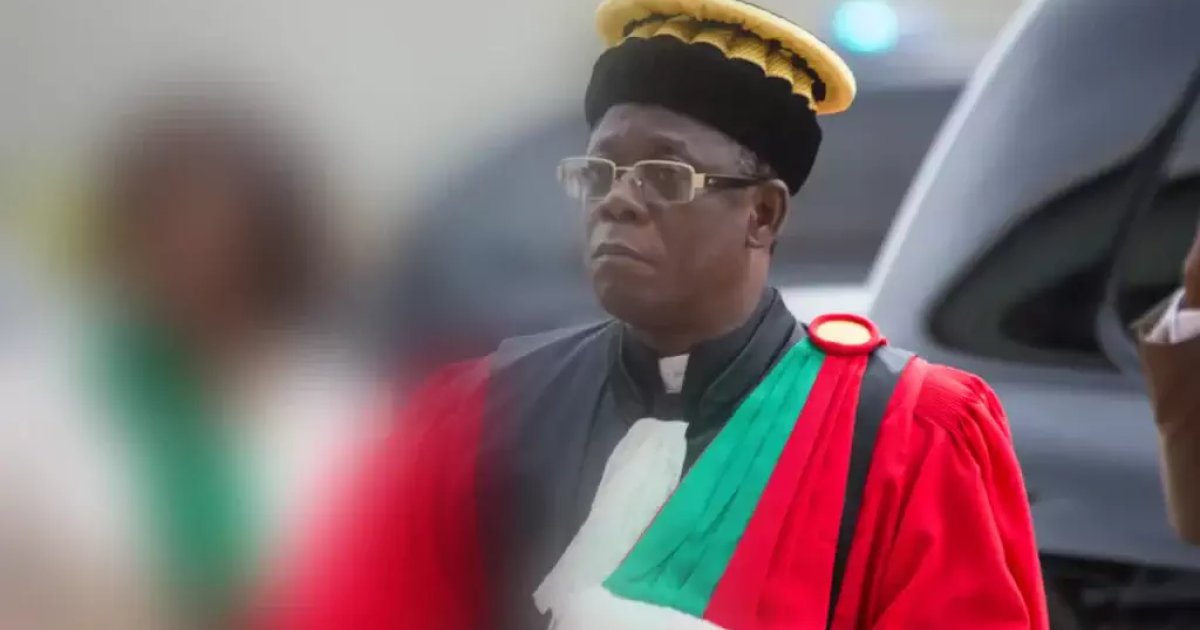

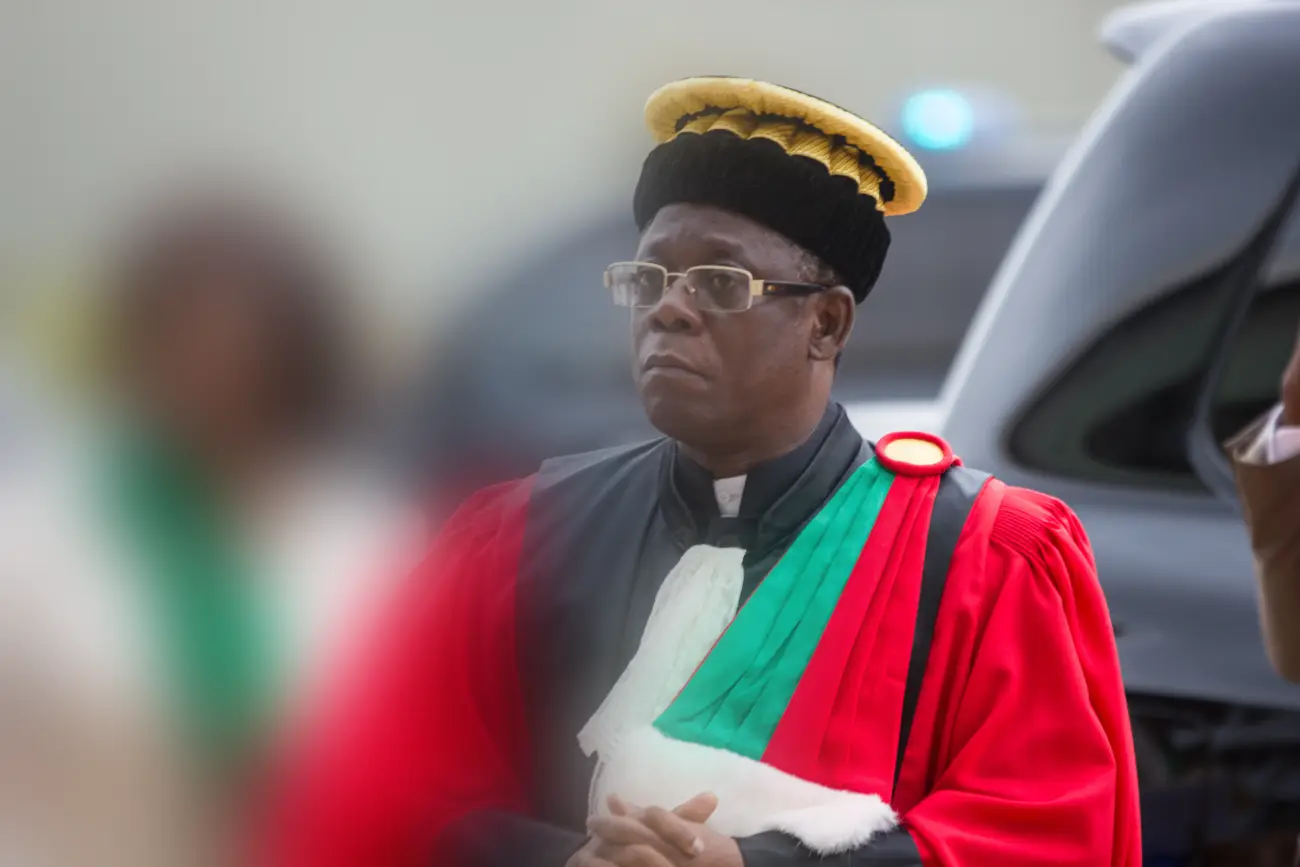
With the official inauguration of the Béninese Senate drawing near, Professor Théodore Holo has articulated his intentions for his tenure within the newly established upper chamber. The former president of the Constitutional Court expressed his commitment to fostering peace, national unity, political stability, and the advancement of democracy.
SUMMARY
The future Béninese Senate is gearing up for its formal commencement. Théodore Holo, designated as a de jure member due to his previous role as president of the Constitutional Court, has shared his initial perspectives on the responsibilities he intends to undertake within this new body.
During a television appearance on July 10, 2026, the respected constitutional expert framed his involvement from an institutional viewpoint. He believes the Senate’s launch calls for careful consideration, coupled with an unwavering focus on safeguarding national cohesion.
“I will participate and contribute according to my personal vision,” Théodore Holo was quoted as saying. He expressed his hope that his efforts would help maintain “peace, social unity, political stability, national cohesion, and development.”
This new upper legislative chamber, a product of the constitutional reforms enacted in November 2025, is scheduled for its official installation on July 30, 2026, in Porto-Novo. The initial members of the Senate were appointed during the Council of Ministers meeting on July 1, 2026. Its composition includes de jure members, such as former presidents of the Republic and former presidents of the Constitutional Court, alongside figures nominated by the President of the Republic and the National Assembly.
A mission focused on national unity
In his remarks, Théodore Holo reflected on the initial reservations that often accompany the establishment of new institutions, drawing parallels with the experience of the National Conference. “When I attended the National Conference, some political parties believed it would be futile. We subsequently witnessed the positive outcomes it produced,” he asserted.
The former Constitutional Court president does not portray the Senate as an infallible institution. He acknowledged that “not everything can be perfect” while still affirming the presence of “positive elements within the Senate’s provisions.” This stance reflects a balanced approach: engaging with the new institution without dismissing the public’s questions surrounding it.
Regarding political disagreements, Théodore Holo urged a collective focus on the nation’s overriding interest. “Even if we hold divergent views on certain matters, we share a singular priority, a single homeland; we must not jeopardize it,” he emphasized.
He envisions the Senate playing a crucial role in stabilizing Bénin’s institutional framework. His conceived mission extends beyond merely reviewing legislation; it also encompasses safeguarding political, social, and territorial equilibrium.
Théodore Holo further affirmed his commitment to adapting his involvement to the evolving political landscape. “The world progresses, and I too must be able to adapt and contribute to the deepening of democracy,” he declared.
The Senate’s installation, set for July 30, 2026, will represent a pivotal moment in the establishment of Bénin’s bicameral Parliament. It will also initiate a new institutional chapter, where the appointed members will be expected to concretely define and embody the role of this upper chamber.



