
In Lomé, the third edition of the pan-African forum Biashara Afrika kicked off this Monday with an unforeseen reality check for advocates of continental integration. What was meant to be a celebration of the African Continental Free Trade Area (AfCFTA) turned into a stark demonstration of how far the continent still has to go.
ADVERTISING
The opening ceremony, attended by heads of state and top financiers, took an unexpected turn when Nigeria’s Minister of Industry, Trade and Investment, Dr. Jumoke Oduwole, shared a firsthand account of the challenges faced by African investors attempting to enter Togo. Her story exposed the gap between the AfCFTA’s lofty ambitions and the ground-level barriers that continue to stifle intra-African trade.
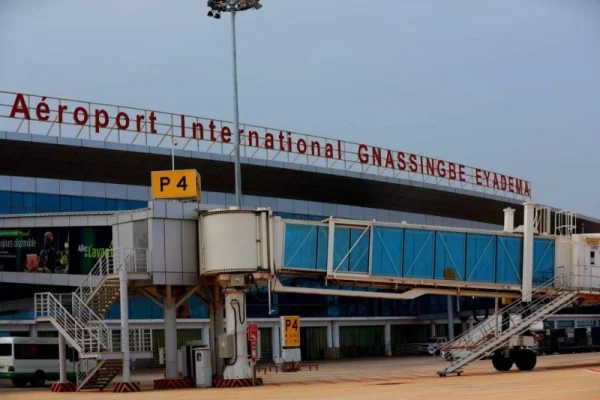
When a CEDEAO passport isn’t enough at Lomé’s airport
Dr. Oduwole recounted how two high-profile investors—one Nigerian, one Ghanaian—landed in Lomé the night before the forum, only to be denied entry despite holding valid CEDEAO passports. The reason? Togo’s immigration authorities required visas, a requirement typically waived for travelers from fellow West African nations under the bloc’s free movement agreement.
The investors, forced to fall back on their European passports to gain entry, were left questioning the credibility of Africa’s integration efforts. As one investor confided to the minister, “If this were the European Union, a European wouldn’t need a visa to enter another EU country with an African passport. Yet here, we’re treated differently.”
For a nation positioning itself as a regional logistics and financial hub, the incident sent a damaging signal. The message was clear: in Lomé, an African businessman with a CEDEAO passport may face more hurdles than a European traveler with a different document.
The bureaucratic wall standing in the way of AfCFTA
This wasn’t just an administrative hiccup—it was a symptom of a broader issue. The AfCFTA promises a single market of 1.4 billion consumers and a combined GDP of $3.4 trillion, yet its potential remains stifled by outdated visa policies and border bureaucracy. The irony? Investors, the very group AfCFTA aims to attract, are often the first to encounter these obstacles.
Economists and entrepreneurs at the forum echoed this frustration. An Ivorian economist warned, “Without free movement of people, the AfCFTA is just an empty promise.” A Ghanaian entrepreneur added, “If we need to flash a European passport to invest in Africa, then integration is nothing but a slogan.”
Faure’s ultimatum: 48 hours to fix Togo’s border chaos
Faced with the immediate fallout of the incident, Togolese President Faure Gnassingbé took swift action. Recognizing the reputational damage unfolding in real time, he bypassed lengthy bureaucratic channels and issued a direct order to Togo’s Minister of Security.
The president’s message was unambiguous: “I expect the Minister of Security to resolve this anomaly within 48 hours.” The clock started ticking, with the forum’s closing ceremony on Wednesday serving as the deadline for visible progress. The message was clear—Lomé’s immigration services needed an urgent crash course in free movement principles.
Biashara Afrika 2026 had set out to dismantle non-tariff barriers strangling African trade. By the forum’s end, the airport of Lomé had learned a hard lesson: even a billion-dollar project can hinge on a single misplaced stamp.
What’s next for AfCFTA’s free movement goals?
The incident in Lomé underscores a critical question: Can Africa’s integration ambitions survive when its own borders remain so rigid? The AfCFTA’s success depends not just on tariff reductions but on harmonizing visa policies, digitizing border procedures, and, above all, aligning political will with action.
For now, the spotlight is on Togo. Will the 48-hour ultimatum lead to lasting change, or will this remain another cautionary tale of Africa’s integration gap? One thing is certain—the continent’s investors are watching closely.



