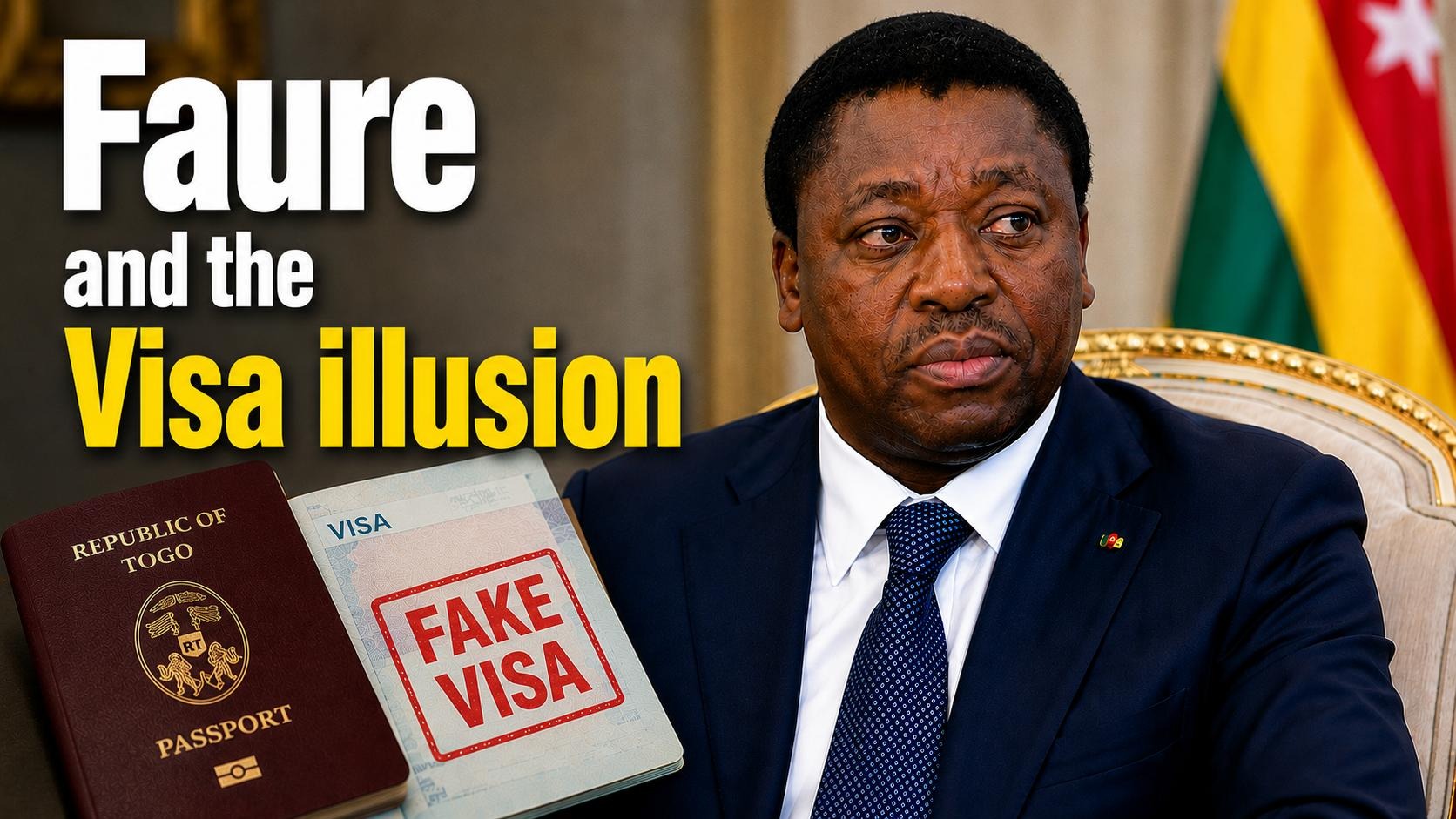

Togo’s visa-free policy: a closer look at the fine print
The announcement of visa exemptions for all African nationals by the Togolese government has generated significant buzz, positioning Lomé as a champion of regional integration. Yet, beneath the surface of this seemingly progressive initiative lies a carefully orchestrated system of bureaucratic control, raising questions about its true intentions.
The policy, which grants entry to African passport holders for up to 30 days, applies across all land, air, and sea borders. At first glance, it appears to align Togo with progressive nations like Rwanda and Benin. However, the reality is far more nuanced.
A digital barrier disguised as openness
The crux of the matter lies in the mandatory pre-travel registration system. Travelers must complete an online declaration via the official government portal, voyage.gouv.tg, at least 24 hours before arrival. This requirement effectively transforms the visa exemption into a de facto electronic travel authorization, reminiscent of systems in other countries.
Critics argue that this digital gatekeeping mechanism serves as a tool for discretionary exclusion. The government retains the power to deny entry based on vague criteria such as “incomplete documentation” or “security concerns,” potentially targeting journalists, human rights activists, or political opponents. In essence, the passport is no longer the sole determinant of entry; the state’s algorithm now holds sway.
Faure Gnassingbé’s dual agenda: diplomacy and surveillance
The Togolese president’s announcement is not merely a gesture of goodwill but a calculated move with both domestic and international implications. After controversial constitutional reforms that extended his rule, Faure Gnassingbé seeks to bolster his international standing by positioning himself as a panafricanist leader. This policy serves as a smokescreen, diverting attention from internal dissent.
Moreover, the centralized digital registration system provides the government with an unprecedented tool for monitoring visitors. By collecting data on entrepreneurs, journalists, and influencers, the regime gains valuable insights into who enters the country, facilitating targeted surveillance and control.
Economic pragmatism with hidden strings attached
While the elimination of traditional visa fees may appear advantageous for business and tourism, the bureaucratic hurdles remain intact. Entrepreneurs and media professionals, who had hoped for unfettered movement, now face a digitized system of constraints. The promise of openness is thus diluted by layers of administrative oversight.
In conclusion, Togo’s visa exemption is less a bold step toward regional integration and more a strategic blend of soft power and digital surveillance. Faure Gnassingbé’s government demonstrates that in Togo, even gestures of liberalization are carefully circumscribed by control.