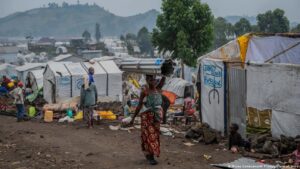
UN warns of famine risk in crisis zones across globe
The United Nations has issued a stark warning about the deepening food insecurity crisis affecting 16 critical regions worldwide. In a joint report, the UN’s Food and Agriculture Organization (FAO) and the World Food Programme (WFP) highlighted escalating hunger threats driven by conflict, economic instability, and extreme weather events.
Critical regions facing imminent famine
Several nations stand at the brink of catastrophic food shortages, with populations facing immediate famine risks. Among the hardest-hit countries are Afghanistan, Palestine, South Sudan, Sudan, Yemen, and Haiti. The report underscores that these areas are experiencing severe food insecurity, exacerbated by ongoing violence and economic collapse.
The situation remains dire in Mali, where jihadist conflicts continue to destabilize food supply chains, while Burkina Faso and Chad face similar challenges due to climate-related crop failures and displacement crises. Meanwhile, the Democratic Republic of Congo, Myanmar, Nigeria, Somalia, and Syria are classified as regions of “very high concern,” with millions at risk of starvation.
Financial shortfalls deepen humanitarian crisis
The UN agencies warned that humanitarian funding has reached critically low levels. Of the $29 billion required to support vulnerable populations, only $10.5 billion has been secured. This shortfall has forced drastic cuts to food aid programs, including reductions in school feeding initiatives and refugee assistance.
“We are on the brink of an entirely preventable food catastrophe that could trigger widespread famine in numerous countries,” stated Cindy McCain, WFP Executive Director. The FAO echoed these concerns, emphasizing that insufficient funding threatens agricultural livelihoods and animal health services.
Urgent calls for action
Both organizations stressed that the global community must act swiftly to prevent famine and avert long-term instability. “Preventing famine isn’t just a moral obligation—it’s a strategic investment in global peace and stability,” noted FAO Director-General Qu Dongyu.
The report highlights that extreme weather events, economic shocks, and funding gaps are compounding existing crises, pushing millions closer to starvation. Without immediate intervention, the humanitarian situation is expected to deteriorate further, particularly in conflict-ridden regions.
Alarming trends in displacement
The UN also drew attention to the plight of refugees, including the Rohingya community in Bangladesh, where funding shortages have left many without adequate food supplies. The WFP has been forced to cut rations in several countries, leaving displaced families with little to no nutritional support.
As the world grapples with multiple overlapping crises, the FAO and WFP urge governments and donors to prioritize funding for emergency food assistance and agricultural recovery programs. The stability of entire nations depends on addressing these urgent needs.