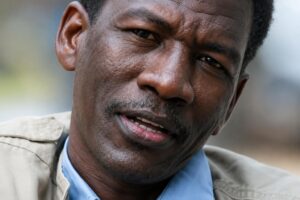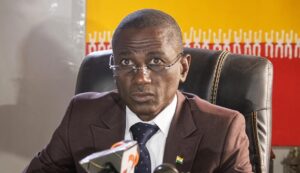

On November 2, judicial police in Niamey apprehended six journalists, an action that represents a severe blow to media independence in Niger. While three of these individuals remain in arbitrary detention, the International Federation for Human Rights (FIDH) and the World Organisation Against Torture (OMCT) have voiced their strong condemnation. Operating through the Observatory for the Protection of Human Rights Defenders, these organizations are demanding the immediate and unconditional release of the reporters.

Legal pressure on the media landscape
The group of targeted professionals includes Moussa Kaka (Director of Radio-télévision Saraounia and former RFI correspondent), Abdoul Aziz Idé (journalist at RTS), Ibro Chaibou (editor at RTS), Youssouf Seriba (director of Échos du Niger), Oumarou Kané (founder of Le Hérisson), and Souleymane Brah (director of La voix du peuple). They have been charged with “complicity in spreading information likely to disturb public order,” a violation cited under Niger’s cybercrime legislation (Law No. 2019-33), specifically as updated by the June 2024 ordinance. If convicted, they could face prison sentences ranging from two to five years.
Following their initial hearing, a judge ordered the transfer of Ibro Chaibou, Youssouf Seriba, and Oumarou Kané to the Kollo high-security prison. Meanwhile, Moussa Kaka, Abdoul Aziz Idé, and Souleymane Brah were granted bail after extensive questioning, though the legal proceedings against them remain active.
The trigger: reporting on official invitations
The arrests appear to stem from social media posts and debates regarding a press invitation sent to Radio-télévision Saraounia. The invitation concerned a briefing by the “Solidarity Fund for the Safeguarding of the Fatherland” (FSSP), a body established by the military government to collect funds for defense purposes. The Observatory argues that discussing or sharing an invitation to a public event cannot be reasonably interpreted as a threat to public order. Instead, these actions are viewed as an attempt to intimidate the press and silence critical voices in Niger, violating international human rights standards.
A history of repression
This is not the first time Moussa Kaka has been targeted; he was previously imprisoned in 2007 under a different administration for his journalistic work. The current situation reflects a broader trend of shrinking civic space in Niger following the July 2023 coup. Other journalists have faced similar fates, including Hamid Mahmoud and Mahaman Sani of Sahara FM, who remain in detention in Kollo after reporting on military cooperation shifts.
Call for legislative reform
Human rights advocates are urging the authorities in Niger to:
- Immediately release all journalists currently held in detention.
- Drop all charges against the six journalists arrested in Niamey and their colleagues from Agadez.
- Revise the cybercrime law to ensure it aligns with international treaties protecting freedom of expression.
The recent amendments to the cybercrime law, reintroduced by the National Council for the Safeguard of the Homeland (CNSP), have raised alarms due to the restoration of prison terms for defamation and the dissemination of data deemed disruptive to public order. Critics fear these laws are being weaponized to suppress human rights defenders and the media across the country.