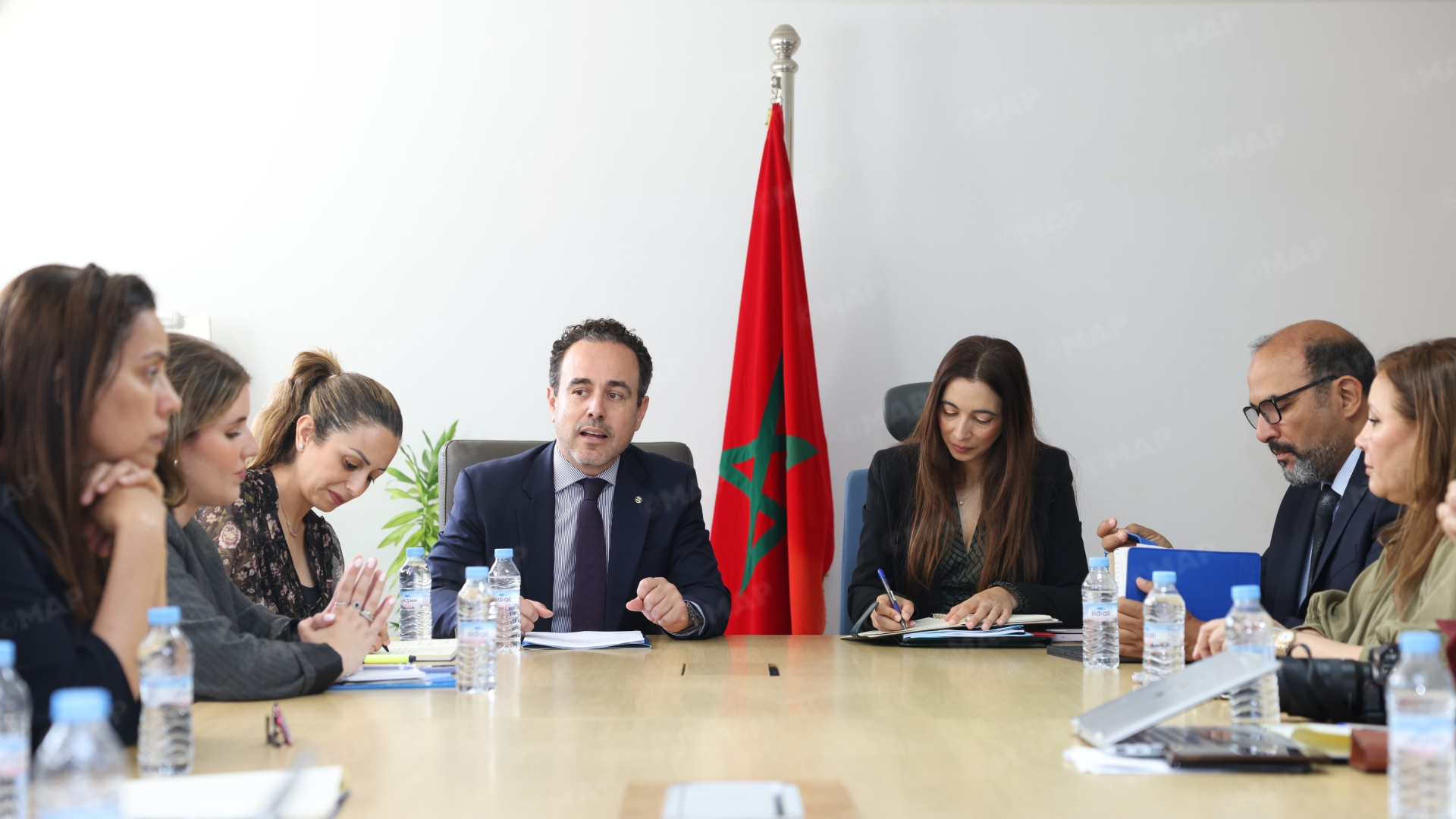

In a high-level meeting held in Rabat, the UNESCO Regional Office for the Maghreb officially commended the scientific excellence of the National Institute of Agronomic Research (INRA). The recognition highlights the institute’s pivotal role in safeguarding Morocco‘s biological diversity and its extensive genetic assets.
A benchmark for scientific excellence
Charaf Ahmimed, the Director of the UNESCO Regional Office for the Maghreb, emphasized the critical importance of the work being conducted by INRA. According to the regional director, the institute has demonstrated exceptional leadership in the field of genetic heritage preservation, positioning Morocco as a key player in environmental science within the region.
The institute’s efforts are focused on the long-term protection of the nation’s unique biodiversity. By leveraging advanced scientific research and innovative conservation strategies, INRA ensures that Morocco‘s natural resources are cataloged and protected against emerging environmental challenges. This scientific stewardship is essential for maintaining the ecological balance and supporting sustainable agricultural practices.
Strengthening biodiversity in Morocco
The tribute paid in Rabat underscores the international community’s appreciation for the technical expertise housed within INRA. The institute’s mission extends beyond laboratory research, influencing national policies on biodiversity and the management of natural heritage. UNESCO‘s endorsement serves to validate the rigorous methodologies applied by Moroccan researchers in their quest to document and protect the kingdom’s genetic wealth.
Through this scientific leadership, INRA continues to build a resilient framework for the future, ensuring that the genetic foundations of Morocco‘s flora and fauna remain intact for generations to come. The collaboration between international bodies and local research institutions remains a vital component in the global effort to preserve the planet’s biological legacy.