
urgent diplomacy seeks to mend west african alliances
West Africa is witnessing a flurry of diplomatic maneuvers aimed at restoring dialogue and cooperation between ECOWAS member states and the Alliance of Sahel States (AES). At the heart of these efforts lie pressing security concerns and shared economic imperatives.
- Politics

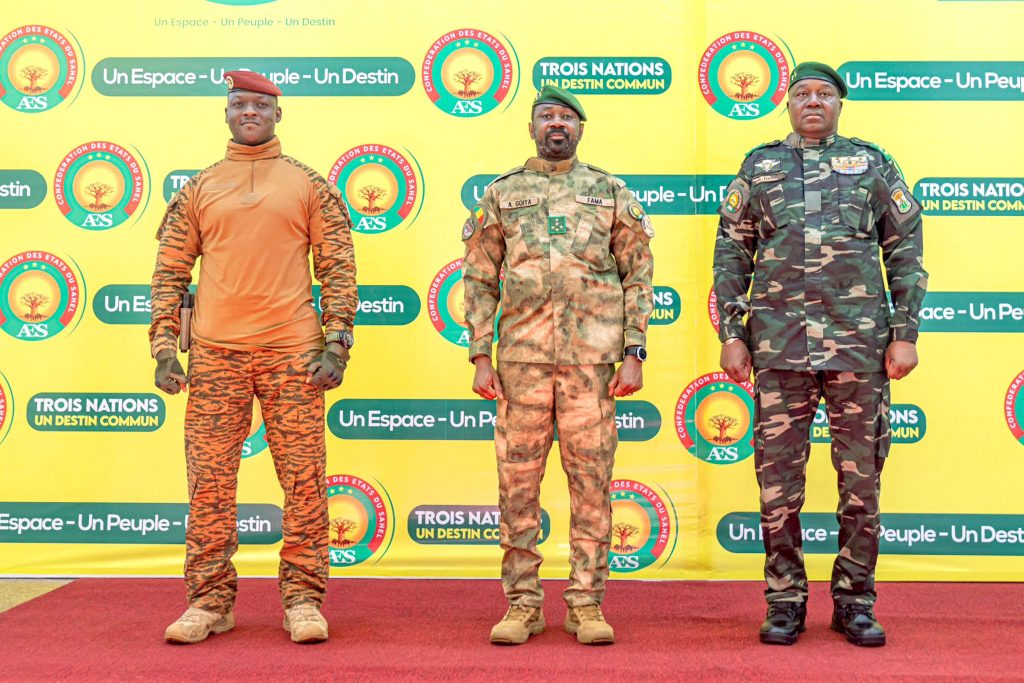
In recent weeks, West African nations have intensified diplomatic efforts to rebuild bridges between ECOWAS countries and the Alliance of Sahel States (AES), comprising Mali, Burkina Faso, and Niger. These complex negotiations center on critical security challenges and the urgent need for coordinated policies. While full resource-sharing remains a long-term goal, immediate priorities include restoring functional communication channels and aligning strategies to address shared threats. Key to this delicate process is navigating sensitive issues: easing tensions over the AES countries’ withdrawal from ECOWAS, overlooking hostile rhetoric between regional governments, and moving past geopolitical realignments that have created a de facto cold war between the two blocs. The overarching mission is clear: set aside grievances and pride to confront the region’s most pressing challenges.
Ivory Coast signals readiness for security cooperation
One of the most significant developments comes from Ivory Coast. On June 15, Defense Minister Tene Birahima Ouattara declared his country’s sincere willingness to resume security cooperation with Mali and Burkina Faso. He emphasized that defeating terrorism—now a transnational scourge—requires collective action and pooled military resources. This statement carries particular weight given warnings that the Sahel’s deteriorating security situation could become unmanageable for the entire region in the medium term.
Yet the responses from Bamako and Ouagadougou remain uncertain. While Malian and Burkinabe leaders acknowledge that their AES withdrawal does not preclude bilateral cooperation, shifting their stance toward Ivory Coast poses immediate challenges. Ivory Coast has been a frequent target of accusations—often baseless—from AES regimes, including claims that it hosts terrorist elements “financed by French imperialism.” Despite these diplomatic frictions, Ivory Coast continues to provide refuge to thousands of Malian and Burkinabe citizens fleeing instability in their home countries.
Benin and Niger embark on reconciliation path
Another promising development unfolds between Benin and Niger. Following President Romuald Wadagni’s inauguration on May 24, Benin has taken decisive steps to mend strained relations. The closure of their shared border—imposed after Niger’s July 2023 coup—had escalated into a bitter personal dispute between the two countries’ military leaderships. However, the new Beninese administration has created an opportunity to resolve this impasse.
A bilateral meeting of experts from both nations convened in Cotonou on June 20–21 to lay the groundwork for renewed cooperation. Key priorities include security coordination and reopening the border—a vital economic lifeline. During discussions, Nigerien delegates raised concerns about alleged foreign elements near their border with Benin, echoing long-standing accusations that Benin harbors a “French military base” intended to destabilize Niger. These claims lack credibility, particularly given Benin’s own vulnerability to terrorist attacks.
According to Niger’s Interior Minister Mohamed Toumba, these talks mark the “dawn of a new era” for both nations. By choosing dialogue over confrontation, he argues, they are fostering economic value and security for their populations. The underlying recognition is stark: their destinies are intertwined, and security cannot be achieved in isolation. This pragmatic approach exemplifies how West African nations can address shared vulnerabilities through regional cooperation.
Building endogenous solutions to regional threats
Diplomatic normalization efforts between ECOWAS and AES are expected to intensify in the coming months. Beyond restoring historical neighborly ties, these initiatives underscore the necessity of African-led solutions to the region’s security crisis. This aligns with calls from United Nations Secretary-General António Guterres last year for “renewed dialogue among all West African nations.” In December 2025, Russia—an influential ally of AES states—also signaled a shift toward pragmatic diplomacy, urging ECOWAS and AES to collaborate on counterterrorism and other shared challenges.
Bilateral engagements are already underway between AES countries and others like Ghana, Guinea, Togo, and Senegal. Despite their withdrawal from ECOWAS, Sahelian military regimes remain active within the West African Economic and Monetary Union (UEMOA), and their citizens continue to benefit from ECOWAS free movement policies. This raises questions about the long-term efficacy of their ECOWAS exit, which stems from the bloc’s initial condemnation of their coups and refusal to prioritize constitutional restoration. In many ways, the rift between AES and ECOWAS resembles an incomplete and artificial divorce—one that overlooks the shared destiny of West African peoples.