
water crisis in Chad: hope and skepticism at the african water forum
N’Djamena is this week the epicenter of the African Water Forum, co-organized with the World Bank Group. Under the banner “From Vision to Action,” the event brings together African heads of state, experts, and technical and financial partners to chart pathways for improving water access across the continent.
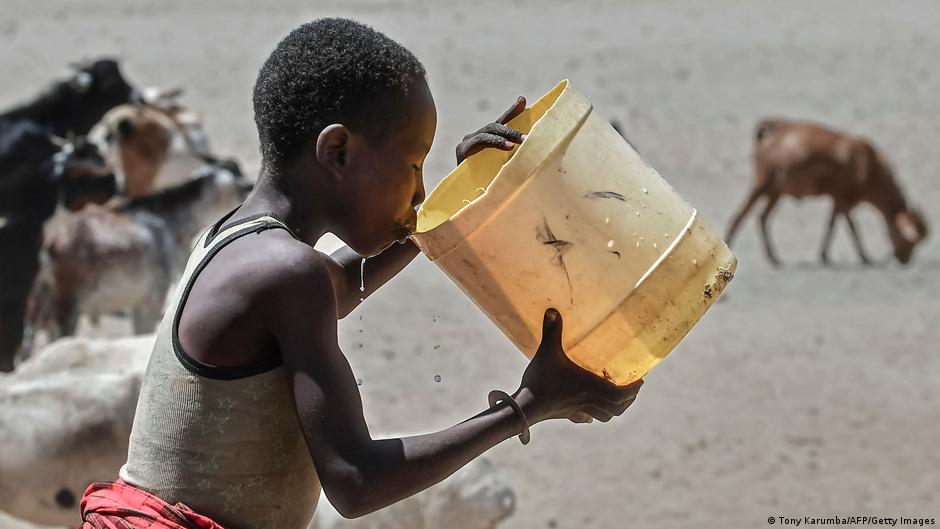
Yet the spotlight remains firmly on Chad itself, where potable water remains an elusive resource for millions. Official figures reveal that nearly 40% of Chad’s population still lacks access to clean drinking water.
Chadians voice urgent demands
For many residents, the forum offers a glimmer of hope for a problem that shapes their daily lives.
“As a woman and a Chadian citizen, I’m pinning my hopes on this forum to improve access to clean water. The quality of water some of us drink is appalling. If this gathering can bring about change, why not?”, shares Eliane, a homemaker in N’Djamena.
The forum aims to convert political pledges into tangible projects by fostering partnerships between governments, donors, and the private sector to fast-track investments in water infrastructure.
Skepticism lingers over promises
Not everyone shares this optimism. Several locals express doubts about the forum’s potential to yield meaningful results.
“We’ve seen similar events before, but nothing has changed. I don’t believe this forum will improve Chad’s water situation. What’s needed first is political will,” argues Richard, a teacher.
Moussa, a young trader, echoes this sentiment: “The funds spent on organizing this forum could have been used to build thousands of water points directly. Too often, these gatherings end with recommendations that never see the light of day.”
These reactions highlight the gap between ambitious declarations and the entrenched challenges faced by many, particularly in rural areas.
Stark disparities across regions
While the government cites a national average of 63.5% access to clean water, this figure masks glaring inequalities. In provinces such as Guéra, Wadi Fira, and Sila, only 10 to 21% of residents have access to safe water sources.
Many communities still rely on contaminated ponds or wells, with dire consequences for public health, including the spread of waterborne diseases and malnutrition.
The National Human Rights Commission (CNDH) is urging authorities to expedite investments. “Access to water is not just a necessity—it’s a cornerstone of peace, social cohesion, food security, and human development,” emphasizes its president, Belngar Larmé Laguerre.
The CNDH calls on the government to prioritize investments in water infrastructure, sanitation, and resource management, while urging international partners to bolster support for sustainable, climate-resilient solutions.
Governance concerns overshadow the forum
Beyond water challenges, another issue has drawn attention: the forum’s organization has been entrusted to the Ministry of Finance, Budget, Economy, Planning, and International Cooperation—rather than the Ministry of Water.
This decision has raised eyebrows among observers and sector stakeholders, who view it as a sign of governance gaps in water policy. For millions of Chadians, the wait for sustainable access to clean water continues.