
Vision 2035: a bold economic transformation
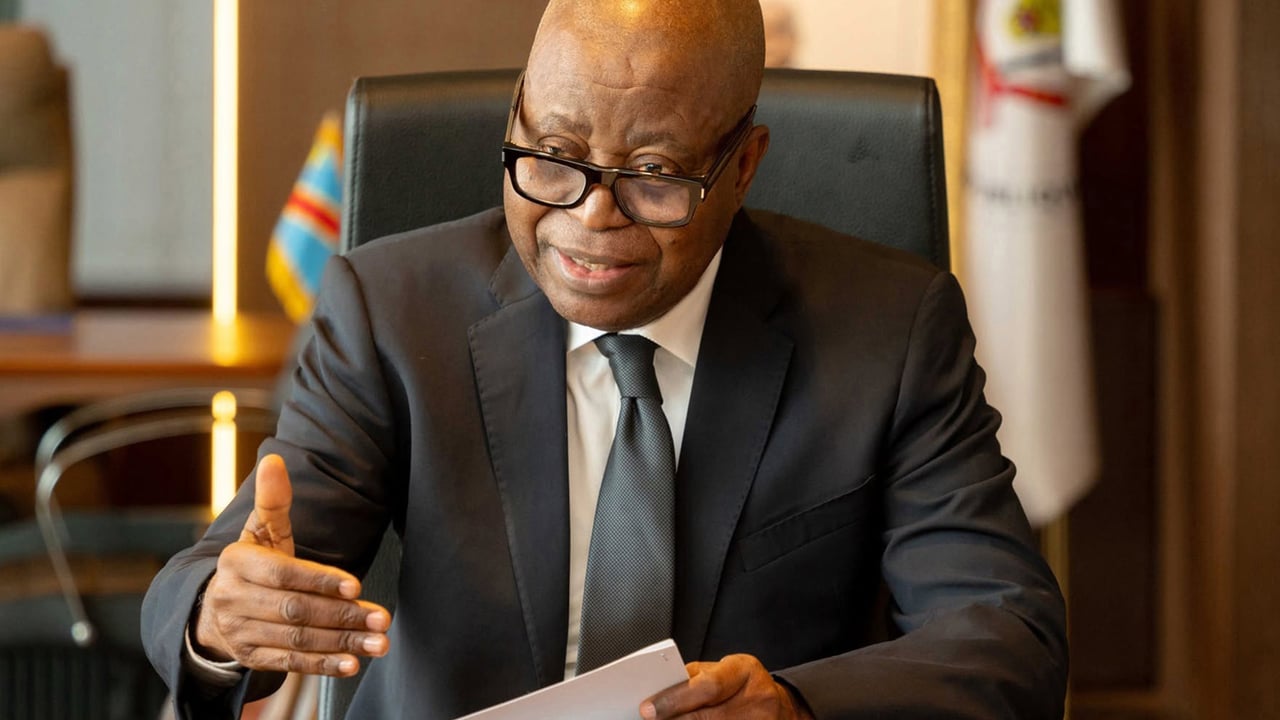
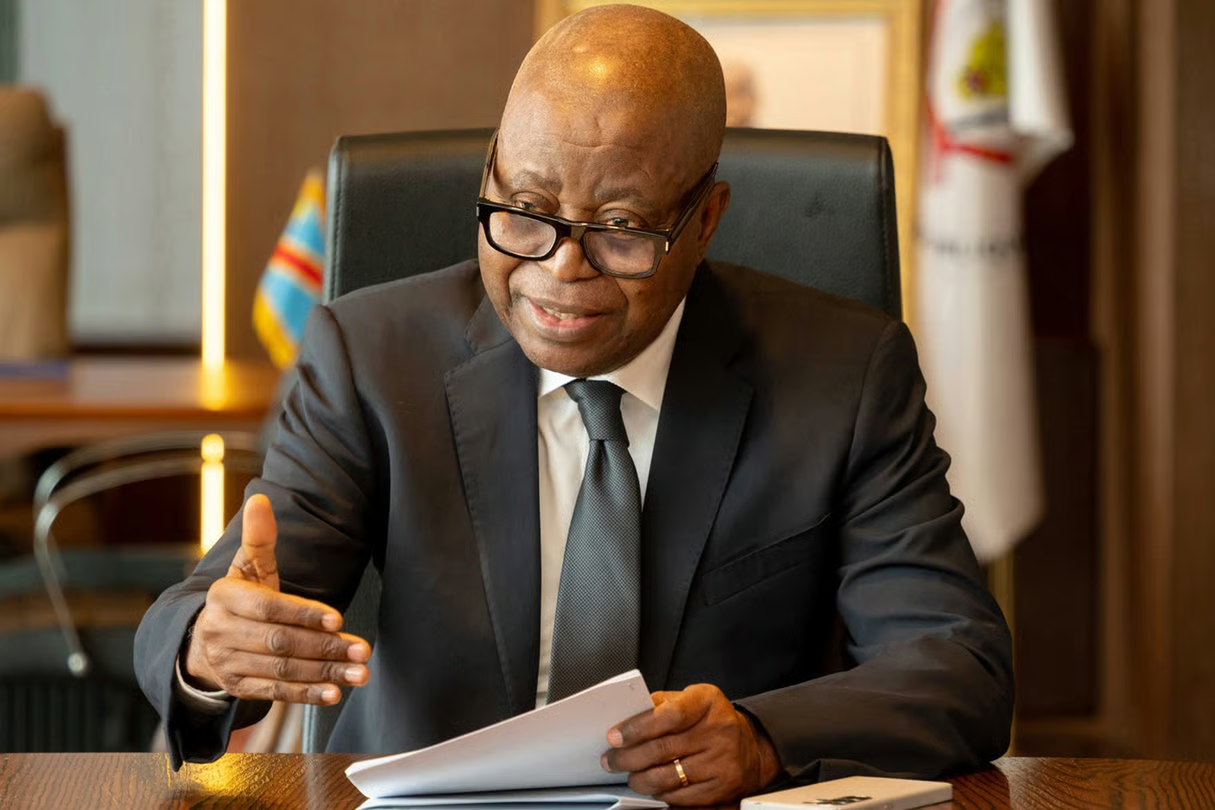
In a recent interview conducted in Kinshasa, Adolphe Muzito, Deputy Prime Minister and Minister of Budget, shared a compelling vision for the Democratic Republic of the Congo. By 2035, the country is poised to become the third-largest economy in sub-Saharan Africa under the leadership of President Félix Tshisekedi.
Muzito highlighted several strategic pillars that will drive this transformation. The government’s focus on infrastructure development, industrialization, and agricultural modernization is expected to unlock unprecedented economic growth. These initiatives aim to diversify the economy, reduce reliance on extractive industries, and create millions of jobs for the Congolese people.
Infrastructure as the backbone of growth
The Deputy Prime Minister emphasized the critical role of infrastructure in achieving this ambitious goal. Major investments in road networks, railways, and energy projects are already underway. These developments are designed to connect remote regions, facilitate trade, and attract foreign investors.
One of the flagship projects is the Grand Inga Dam, which promises to provide clean and affordable electricity to power industries and households across the country. This project alone could significantly boost the nation’s industrial capacity and reduce energy poverty.
Industrialization and economic diversification
To shift away from its dependence on mining, the government is actively promoting industrialization. Special economic zones are being established to attract manufacturing investments, particularly in agro-processing, textiles, and technology.
Muzito pointed out that agriculture, which employs over 60% of the population, will receive substantial support through mechanization, improved access to markets, and modern farming techniques. This sector’s growth is expected to enhance food security and generate export revenues.
A call for national unity and reform
The success of this economic roadmap hinges on robust governance and national unity. Muzito stressed the importance of political stability, anti-corruption measures, and transparent policies to build investor confidence.
He also called for collaboration between the public and private sectors, urging businesses to align their strategies with the government’s long-term vision. The goal is to create an enabling environment where innovation and entrepreneurship can thrive.
Challenges and opportunities ahead
While the vision is ambitious, it is not without challenges. The Democratic Republic of the Congo must navigate global economic fluctuations, climate change impacts, and regional security issues. However, Muzito remains optimistic, citing the country’s vast natural resources, young and dynamic population, and strategic geographic position as key advantages.
The road to 2035 will require relentless effort, strategic planning, and unwavering commitment from all stakeholders. If successful, DRC could set a new benchmark for economic transformation in Africa, offering a model for other nations to emulate.