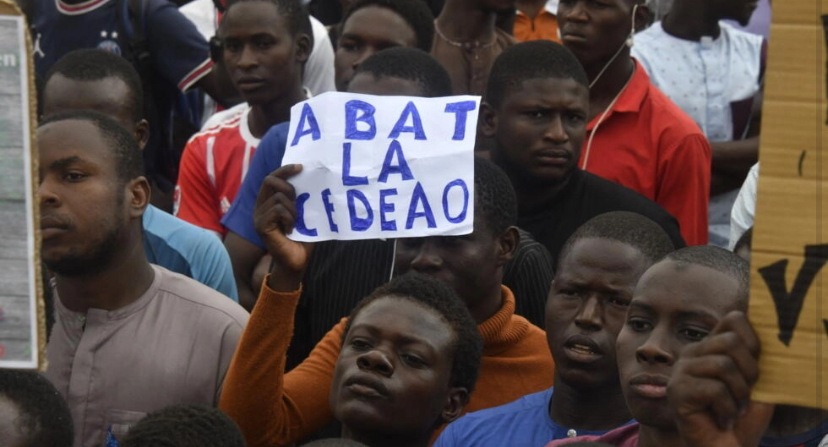

The imminent withdrawal of Mali, Niger, and Burkina Faso from the Economic Community of West African States (ECOWAS) raises serious concerns about the future of human rights protections for citizens in these nations.
One of the most pressing issues is the loss of access to the ECOWAS Court of Justice, a critical legal recourse for victims of rights violations. Ilaria Allegrozzi, a senior researcher at a prominent human rights organization, highlights the court’s significance: «The ECOWAS Court served as an essential pathway to justice for individuals facing impunity in their home countries, where domestic courts often fail to address abuses by security forces or authorities.»
a lifeline for victims of injustice
The ECOWAS Court has a strong track record of delivering landmark rulings, including cases that held governments accountable for human rights violations. For example:
- Slavery case (Niger): The court ruled that the government had failed to protect a citizen from slavery, setting a historic precedent for accountability.
- Oil abuse case (Nigeria, 2012): It held the Nigerian government responsible for violations committed by oil companies, reinforcing corporate accountability.
Unlike many regional courts, the ECOWAS Court does not require plaintiffs to exhaust domestic legal remedies first, making it far more accessible for individuals seeking justice. «This unique feature made it a practical option for people in Mali, Niger, and Burkina Faso, where judicial systems are often unreliable,» explains Allegrozzi.
With these nations preparing to leave ECOWAS, the future of human rights protections remains uncertain, leaving citizens with fewer avenues to challenge abuses and demand justice.