
When Captain Elvire Toupé was named aide-de-camp to Benin’s president following his inauguration, the move was widely praised. Yet while this landmark appointment celebrates progress, women remain underrepresented in elected and political offices across the country.
Captain Elvire Toupé’s appointment came just days after President Romuald Wadagni took office. Following the first cabinet meeting on May 28, she became the first woman in Beninois history to hold the position of aide-de-camp since the nation gained independence on August 1, 1960.
From military legacy to modern leadership
Political analyst Régis Hounkpè, founder of InterGlobe Conseils, welcomed the appointment as a powerful symbol for young women in Benin.
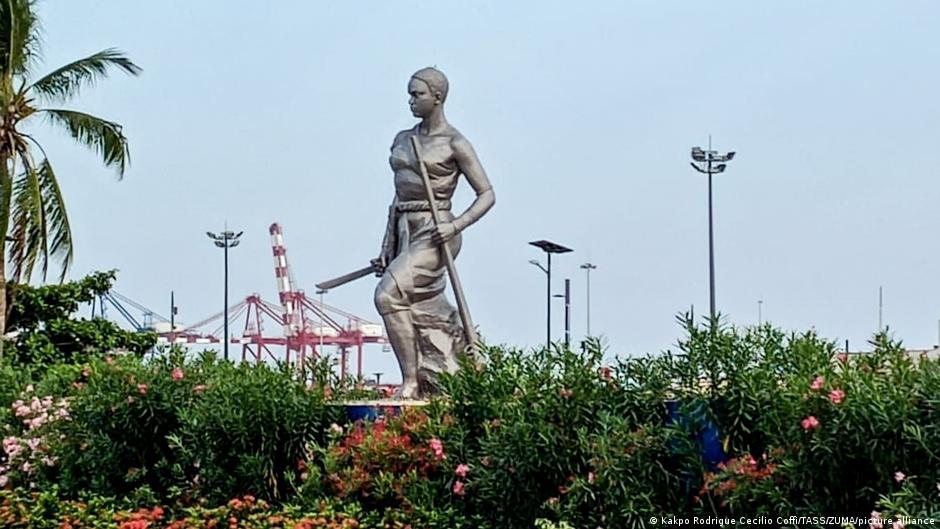
“It’s about representation—women as role models. Young girls across Benin draw inspiration from this breakthrough, and the legacy of the Amazons has been revived not only in memory but in tangible leadership roles. The Amazons symbolize courage, resilience, and determination in the face of adversity.”
Journalist Wuldath Moussa Mama emphasized that Toupé’s appointment evokes the memory of the Agodjié, the elite female warriors of the Dahomey Kingdom, whom European colonizers famously dubbed the “Amazons” after the mythological Greek warriors.
“This is a powerful reminder of women’s military contributions alongside Dahomey’s rulers. The question remains: Is this a rare exception or the start of a broader shift? Could this be the opening of a door that encourages more women to step forward and claim their rightful place in leadership?”
Mixed progress in political representation
While Captain Toupé’s appointment marks a milestone, women’s overall presence in Benin’s political landscape remains limited. The first cabinet under President Wadagni includes six women in key portfolios: Foreign Affairs, Higher Education, Family and Social Action, Domestic Trade, Employment and Vocational Training, and Communication and Media.
In comparison, former President Patrice Talon’s final government had only five women among 23 ministers. Wuldath Moussa Mama stresses the need for greater female participation in public governance, noting that while the vice presidency has been held by a woman since 2021, her role remains largely symbolic under the Constitution.
The National Assembly elected in February 2026 includes 28 female deputies out of 109 seats, representing 25.7% of the chamber—a figure unchanged from the previous legislature. Thanks to a electoral code requiring one female representative per constituency, 24 women were elected through this mandatory quota, while four others secured seats outside this provision.
“The picture is still incomplete,” Wuldath Moussa Mama observes. “It reflects deeper challenges within political parties—how women are mentored, how leadership pathways are structured, and the space they’re given to rise.”