
The recent Bayern Munich Klassiker draw was far more than a simple failure to secure three points at home; it served as a revealing diagnostic of the squad’s underlying physical and tactical fragilities. While the pre-match Ballon d’Or celebrations created a festive atmosphere, the ensuing ninety minutes exposed deep-rooted structural issues that allowed Borussia Dortmund to salvage a late equalizer and highlight the hidden costs of competing at the highest level.
The physical toll behind the tactical breakdown
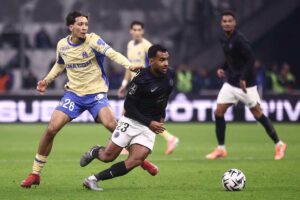
Beyond the frustration of dropping two points after leading twice, the home side paid a severe physical price that hints at deeper conditioning concerns. The early exits of Moroccan international Ismael Saibari in the twenty-ninth minute and German winger Serge Gnabry just two minutes later severely disrupted the initial game plan. Compounding this crisis, Michael Olise was forced off late in the game with a right knee issue following a heavy collision with Nico Schlotterbeck. These cascading injuries point to a systemic vulnerability in managing player workloads during a demanding season.
Psychological weight and missed opportunities in attack
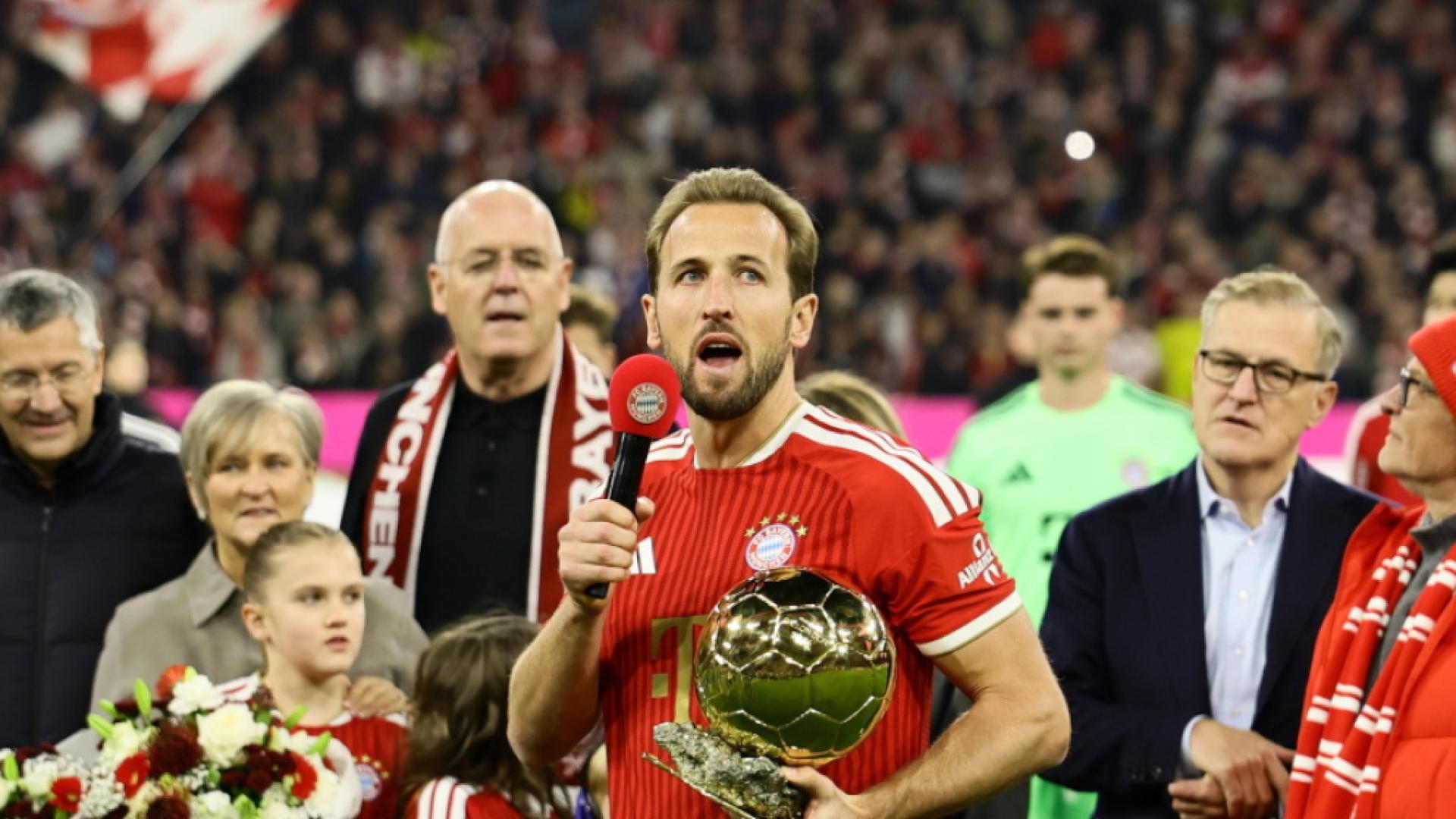
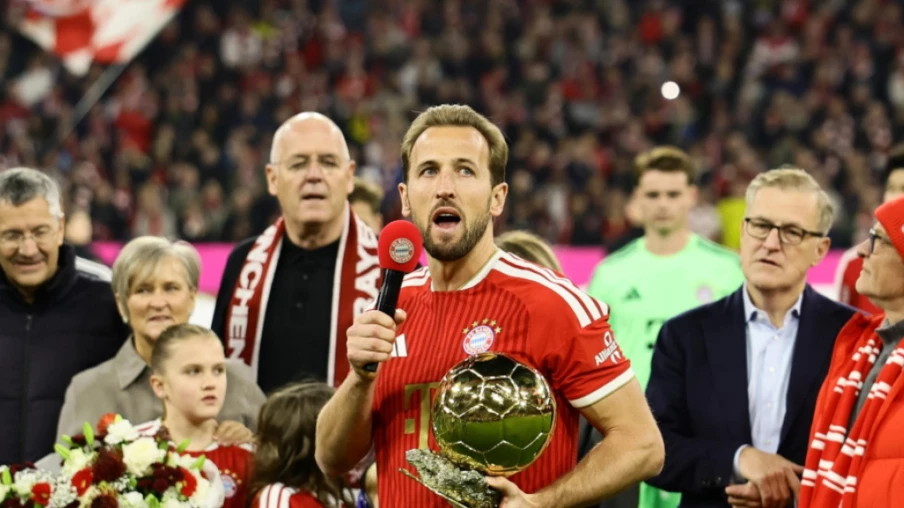
Before the highly anticipated clash between the co-leaders of matchday seven, Harry Kane was honored for his Ballon d’Or triumph in London. The English striker walked onto the Allianz Arena pitch alone, holding the prestigious trophy to the roaring approval of seventy-five thousand spectators. With his entire family in attendance, a massive banner bearing his likeness covered the center circle, while a special tribute was simultaneously projected onto the Olympic park tower miles away.
However, the immense psychological weight of such a spectacle seemed to linger over his individual performance. Although Kane provided a brilliant assist for the second goal, his finishing let him down when it mattered most. He saw his fifty-sixth-minute penalty rattle the crossbar against Gregor Kobel, and he unluckily struck the woodwork again from ten meters out in the seventy-sixth minute.
How Dortmund exploited defensive transitions
The defensive lapses that led to the equalizers reveal a critical flaw in the hosts’ transition play. Konrad Laimer opened the scoring in the thirty-eighth minute, and Dayot Upamecano restored the advantage in the sixty-sixth minute following the setup from the English captain. Yet, the visitors capitalized on momentary losses of concentration. Serhou Guirassy leveled the score at the hour mark, and Fabio Silva snatched a dramatic late equalizer in the eighty-ninth minute, exposing a lack of defensive resilience in the closing stages.
League standings and the broader championship context
Despite the setback, the defending champions maintain their position at the summit of the Bundesliga table. Both clubs are now locked at eighteen points after eight matchdays, but the Munich club retains first place courtesy of a vastly superior goal difference of plus nineteen compared to their rivals’ plus eight. Nevertheless, the underlying dynamics of this stalemate suggest that maintaining this narrow advantage will require addressing the root causes of their late-game collapses and injury struggles.