
Uncovering the hidden machinery of human trafficking disguised as military recruitment
The recent pledge by Ghanaian authorities to halt the enlistment of Ghanaian citizens as fighters in Ukraine’s war zones is not, as some might claim, a triumph of diplomatic ethics. It is, in fact, the stark admission of a large-scale human trafficking operation operating with impunity. Beneath the polished handshakes and diplomatic smiles at international summits, a grim reality has surfaced: hundreds of young Africans, lured by false promises of financial security and enticed by the allure of European passports, have been sent to die in the muddy trenches of a war they neither started nor understand. The human toll for Ghana alone is staggering—at least 62 confirmed deaths and a dozen more missing, their families left to grapple with grief and unanswered questions.
The roots of a predatory system: how desperation fuels a modern-day slave trade
This recruitment drive orchestrated by networks linked to the Russian state represents a new low in historical cynicism. Unlike the colonial-era tirailleurs, who were conscripted under the direct threat of violence, today’s recruits are not dragged into service by bayonets. Instead, they are lured by the promise of stability—only to be discarded the moment their utility ends. Recruiters, some operating under the guise of private military companies, prey on the most vulnerable: students with no future, fathers facing financial ruin, and young men with no prospects. They dangle the illusion of wealth, citizenship, or even a shot at a better life in Europe. When these recruits arrive in Ukraine, they are immediately deployed to the front lines, serving as human shields to protect Moscow’s professional soldiers.
The economic despair driving this trade is no accident. Across Africa, decades of misrule, economic mismanagement, and systemic neglect have left millions of young people without hope. Governments that fail to provide education, jobs, or security create the perfect conditions for recruiters to thrive. The result? A steady supply of cannon fodder, bought cheaply and discarded without remorse.
The Kremlin’s calculated silence: from denial to reluctant confession
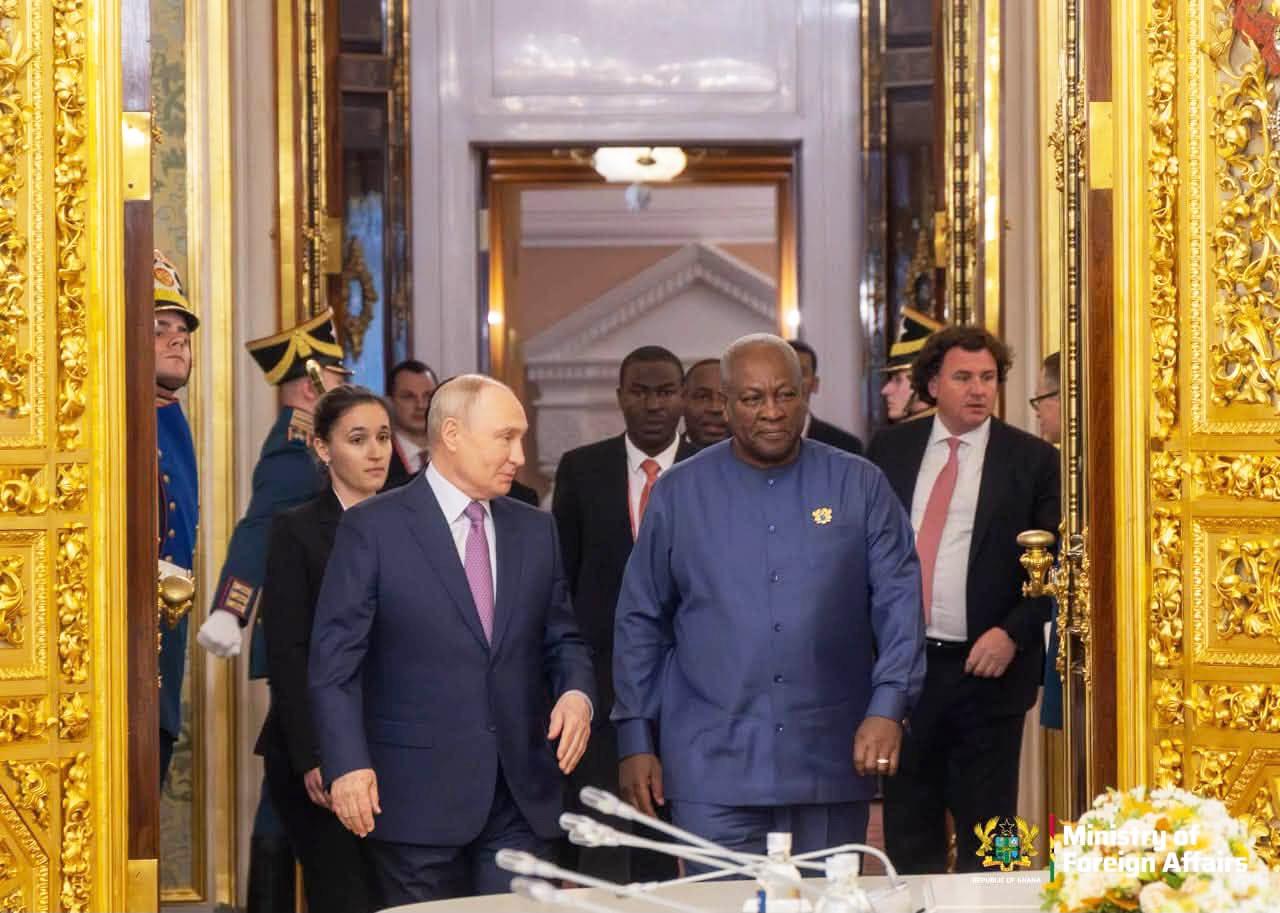
The very fact that an African head of state must negotiate directly with Vladimir Putin to stop the enlistment of his citizens—and even then, only secure the return of their bodies—exposes the brutal asymmetry of today’s geopolitical power dynamics. For months, Moscow turned a blind eye, if not actively facilitated, the hemorrhage of African lives feeding its war machine. The sudden promise to halt recruitment is not an act of remorse; it is an admission that this human pipeline was a deliberate, cynical strategy to bolster Russia’s military capacity.
This is not merely a military tactic. It is a form of psychological warfare, designed to dehumanize the recruits and their families. By framing their deaths as collateral damage in a noble cause, Moscow attempts to sanitize the horror of what is, at its core, a modern form of slavery. The recruits are told they will be heroes. In reality, they are sacrificed pawns in a game played by powers thousands of miles away from their homes.
The double tragedy of a continent betrayed
This crisis lays bare the tragic paradox facing Africa’s youth. Caught between the oppressive rule of local elites who offer no future and the predatory advances of foreign powers eager to turn their desperation into cannon fodder, they are trapped in a cycle of exploitation. As long as African governments continue to fail their people, offering neither dignity nor opportunity, Europe and other global powers will continue to exploit this human surplus. The trade in fresh flesh—young lives treated as commodities—will persist as long as Africa remains a continent of hollow promises and abandoned citizens.
This is not just a war fought with bullets and shells. It is a war fought with broken dreams and stolen futures. And until Africa’s leaders confront the rot within their own systems, the bodies will keep piling up in Ukraine’s trenches.
What’s next for the survivors and the families left behind
For those who survive the front lines, the trauma does not end with their discharge. Many return home physically maimed, psychologically scarred, and financially ruined. Governments that once ignored them now demand explanations; families that once pinned hopes on remittances now mourn losses. The few who make it back bring stories of betrayal, of promises broken, and of friends left behind. Rehabilitation is almost nonexistent. Without support systems, these men risk becoming statistics—another footnote in the annals of a war they never chose to fight.
The international silence surrounding these recruits is deafening. While the world debates the ethics of drone strikes and cyber warfare, the human cost of this conflict continues to be measured in the lives of young Africans. Their stories deserve to be told—not as footnotes in geopolitical analyses, but as a stark warning of what happens when desperation meets unchecked ambition.