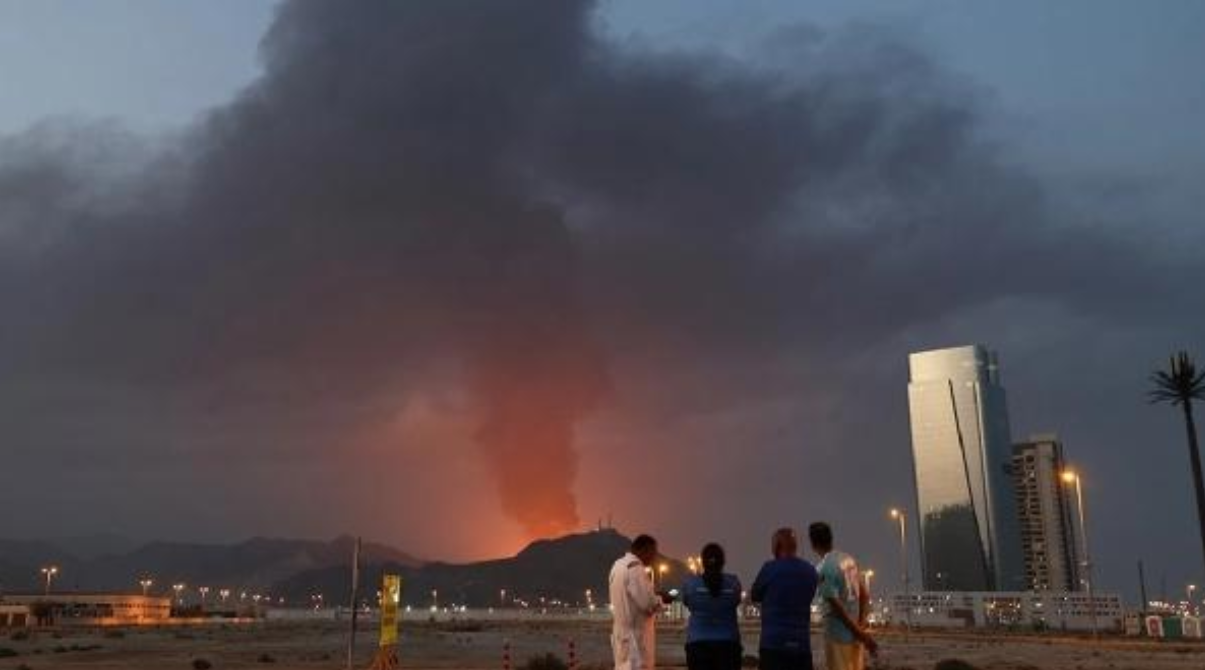

The final hours before the US midterm elections have never been so tense. With ballots due to open in just a few days, Donald Trump authorized a new wave of strikes against Iranian targets in the Strait of Hormuz — a move that immediately inflamed regional tensions and complicated an already fragile political calculus for the Republican Party.
The timing alone raises questions. Despite recent public assurances that no military action would be taken against Iran before Election Day, strikes on Monday struck sites on Qeshm Island, a strategic location in the Strait of Hormuz. The inconsistency between words and actions has given opponents fresh ammunition to attack the president’s handling of foreign policy during a critical campaign stretch.
This isn’t just about politics as usual. The strikes underscore a deeper tension between domestic pressures and geopolitical strategy. With inflation and rising gas prices already weighing on voters’ minds, the timing of the military action risks turning a regional conflict into a national electoral liability. It’s a gamble — one that could either reinforce Trump’s image as a commander-in-chief or expose the cost of his confrontational approach to Iran.
The election cycle and the weight of wartime decisions
Midterm elections are rarely just referendums on domestic policy. They often serve as a referendum on the sitting president. For Trump, the stakes are especially high: a Republican loss could paralyze his legislative agenda, reduce his influence in Congress, and shift the balance of power in foreign policy oversight.
Public sentiment has been turning against the conflict. Recent polling data suggests only a minority of Americans support the ongoing confrontation with Iran. With fuel prices already a top voter concern, the timing of the strikes risks amplifying discontent. For a president who ran on economic promises, any escalation that drives up energy costs could be politically dangerous.
In other words, the White House is caught between two conflicting priorities: projecting strength on the world stage and protecting the economic well-being of American households. These strikes may have been framed as defensive, but to voters, they may look like yet another distraction from the kitchen-table issues that matter most.
Hormuz: the world’s most sensitive shipping artery
The Strait of Hormuz isn’t just a military flashpoint — it’s the economic jugular of global energy markets. This narrow maritime corridor funnels a significant share of the world’s oil exports, connecting the Persian Gulf to international shipping lanes. Disruptions here don’t just threaten regional stability; they send shockwaves through global fuel prices.
Iran has long used the Strait as a pressure point, periodically restricting or threatening passage in response to sanctions or perceived provocations. Each round of US strikes risks triggering a cycle of retaliation that could push oil prices higher — and with them, the cost of filling up at the pump for millions of American drivers.
For voters already struggling with inflation, the prospect of another price surge is deeply unpopular. If the strikes feed into rising fuel costs, they may not just erode confidence in the administration’s foreign policy — they could directly influence voting behavior on Election Day, especially among independent and undecided voters.
Divisions within the Republican base and the fear of overreach
Trump’s base is not monolithic. While many conservatives rally around a hawkish foreign policy, others are increasingly uneasy about prolonged military engagements that drain public resources and fail to deliver clear victories. The White House has reportedly fielded internal warnings to avoid escalation before the election — a sign that even within the Republican Party, there is recognition of the political risks at play.
But controlling the timing of military action is easier said than done. The Hormuz strikes suggest that the president’s instincts for decisive moves are pulling him toward confrontation, regardless of the electoral calendar. If Republican losses are substantial, the incoming House majority could launch investigations into military decisions, scrutinize defense spending, and exert pressure on the administration’s Iran policy.
A shift in congressional power doesn’t just change domestic politics — it reshapes the landscape for future diplomatic and military negotiations. With a divided government, any new confrontation with Iran could face far greater resistance, leaving Trump’s foreign policy ambitions at the mercy of partisan gridlock.
Election Day looms: force or folly?
As Americans prepare to vote, the president faces an impossible balancing act: assert strength against Iran while avoiding a conflict that could deepen voter frustration. The strikes in the Strait of Hormuz are more than a tactical move — they are a high-stakes signal to both allies and adversaries.
Whether this signal reassures or alarms voters remains to be seen. In a closely divided electorate, every decision matters. The question now is whether Trump’s last-minute military play will be seen as leadership or overreach — and whether American voters will accept the costs of such boldness in a season already defined by uncertainty.