
Cotonou gathers stakeholders for landmark national education reform initiative
This week, Cotonou has become the epicenter of Benin’s most ambitious educational transformation yet. From June 22 to 26, the Azalaï Hotel hosted a high-level strategic workshop focused on developing a National Curriculum Framework. Spearheaded by Education Minister Armand Kuyema Natta, the initiative aims to create a unified, modern educational system that aligns with the country’s socio-economic realities while preparing students for future challenges.
A cross-sectoral push for educational excellence
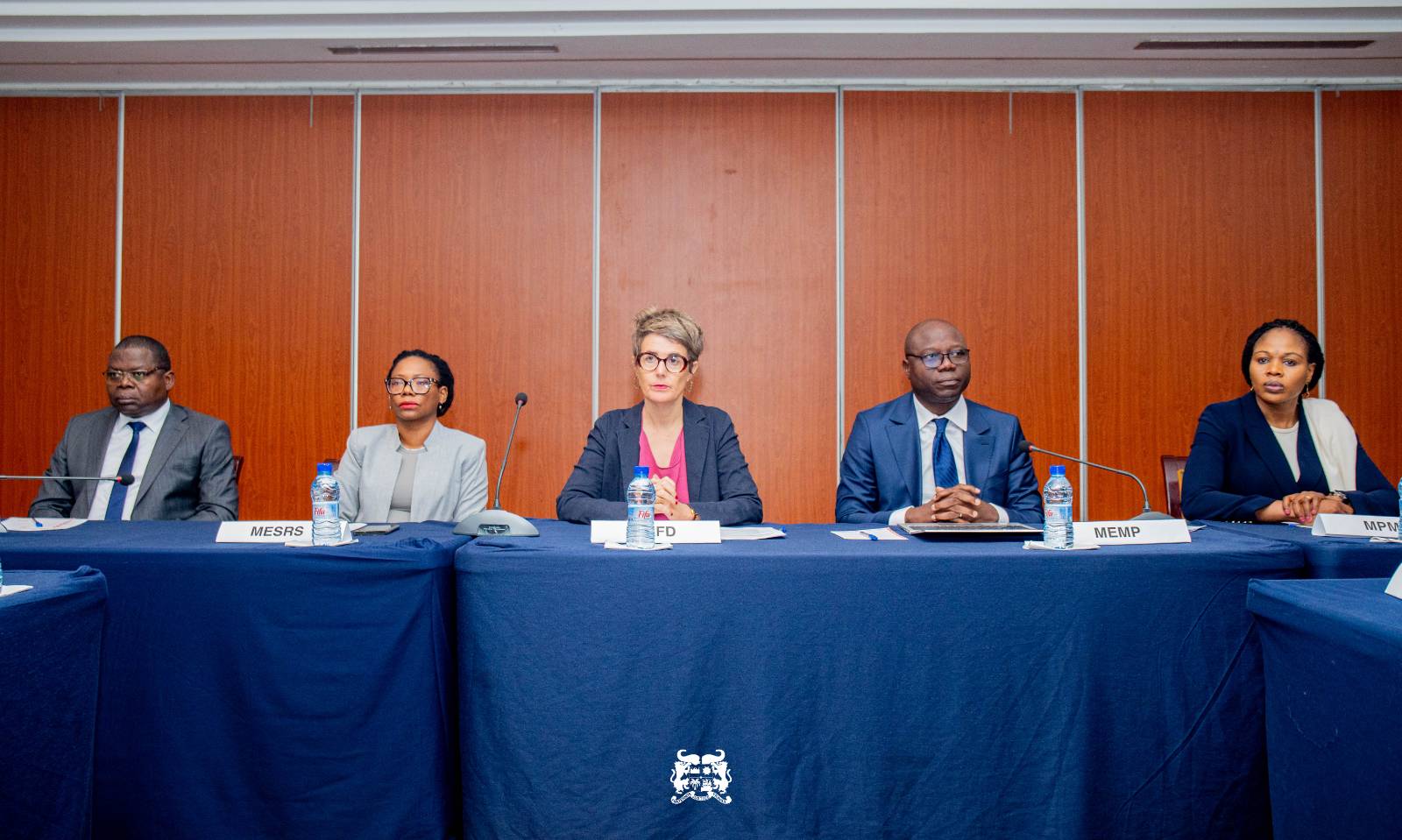
The workshop’s opening session on June 22 drew an unprecedented gathering of Benin’s top decision-makers. Every education sector was represented, from early childhood to higher education, technical training, and vocational programs. The delegation included ministers overseeing primary, secondary, and tertiary education, along with a representative from the National Education Council (CNE) and Ms. Laure Weisgerber, Director of the French Development Agency (AFD), representing key technical and financial partners.
This unprecedented collaboration signals a decisive break from traditional siloed approaches. Rather than reforming individual education levels in isolation, Benin is embracing a holistic strategy that connects every stage of learning under a single guiding framework.
Curriculum as a reflection of national ambition
Wilfried Guezodjè, Permanent Technical Secretary of the Sectoral Education Plan, emphasized the deeper significance of the reform. « The curriculum isn’t just a pedagogical tool—it embodies the societal choices we make for our children. It shapes what they learn and, more importantly, the kind of citizens they will become, » he stated. Guezodjè described the revision process as « demanding yet hopeful, » highlighting the collective goal of equipping every Beninese student with the skills needed for personal growth and future employability.
The challenge lies in balancing global educational standards with locally relevant learning that reflects Benin’s unique context. The new framework seeks to eliminate the gaps between educational stages, ensuring seamless transitions from preschool to university.
From isolated reforms to a unified vision
Education Minister Armand Kuyema Natta underscored the limitations of past piecemeal reforms. While previous updates to primary and secondary programs were valuable, they lacked the continuity needed for a cohesive system. « Updating individual programs, no matter how thorough, is insufficient, » he asserted. « A student leaving primary school should seamlessly integrate secondary education, and a high school graduate should arrive at university with the prerequisites for their chosen field. The National Curriculum Framework bridges these gaps, serving as a shared compass for the entire education system. »
International backing for a transformative project
The reform’s success hinges on strong, sustainable partnerships. Ms. Weisgerber of the AFD reaffirmed her institution’s unwavering support for Benin’s vision. « This reform isn’t just about education—it’s about economic transformation, » she noted. By aligning curriculum with real labor market needs—particularly in technical and vocational training—Benin can reduce youth unemployment and drive sustainable development.
A new social contract for Benin’s schools
As the workshop concludes on June 26, it sets the stage for a renewed social contract between the government, educators, families, and students. The push for a unified curriculum reflects a commitment to consistency over expediency. While implementation will require sustained effort, the political will demonstrated this week—backed by international partners—offers a promising vision for Benin’s schools. The goal? An education system that is more inclusive, unified, and forward-looking, ready to meet the demands of tomorrow.