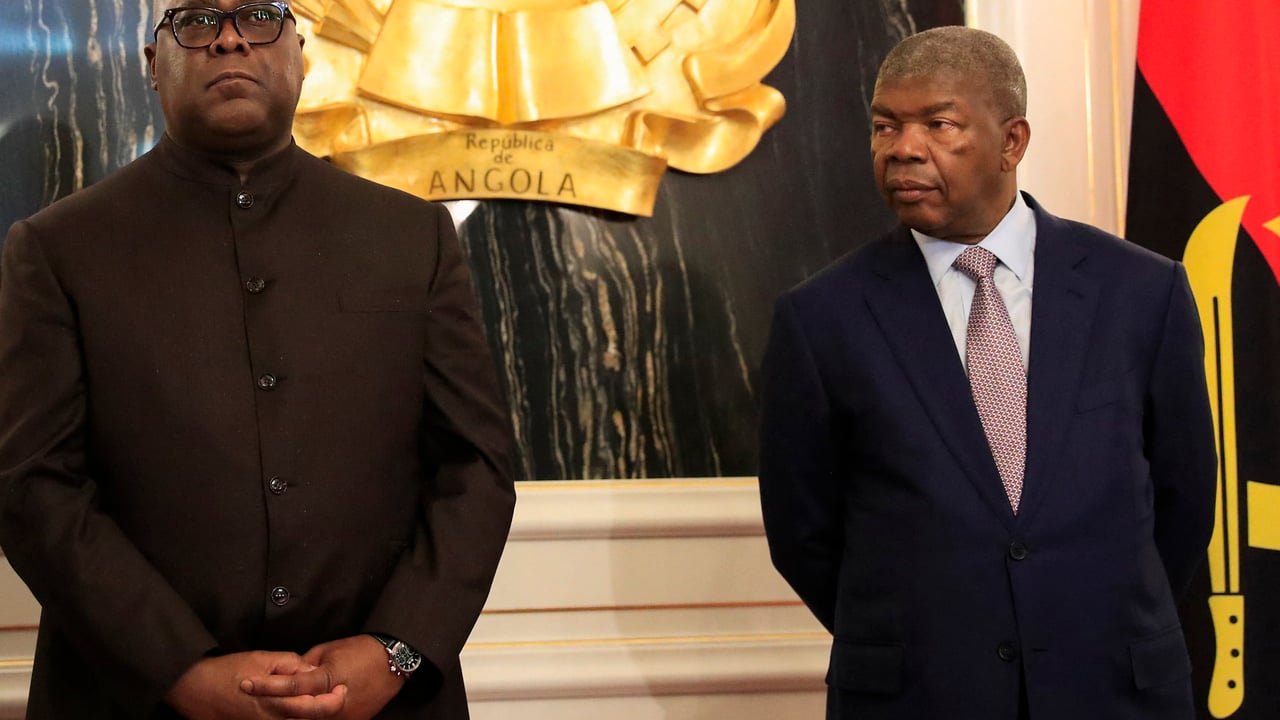

The diplomatic atmosphere in Luanda has reached a critical turning point as President Félix Tshisekedi and his Angolan counterpart, João Lourenço, engage in a complex political tug-of-war. At the heart of this confrontation lies the path toward a national dialogue aimed at resolving the persistent instability in the Democratic Republic of Congo (RDC).
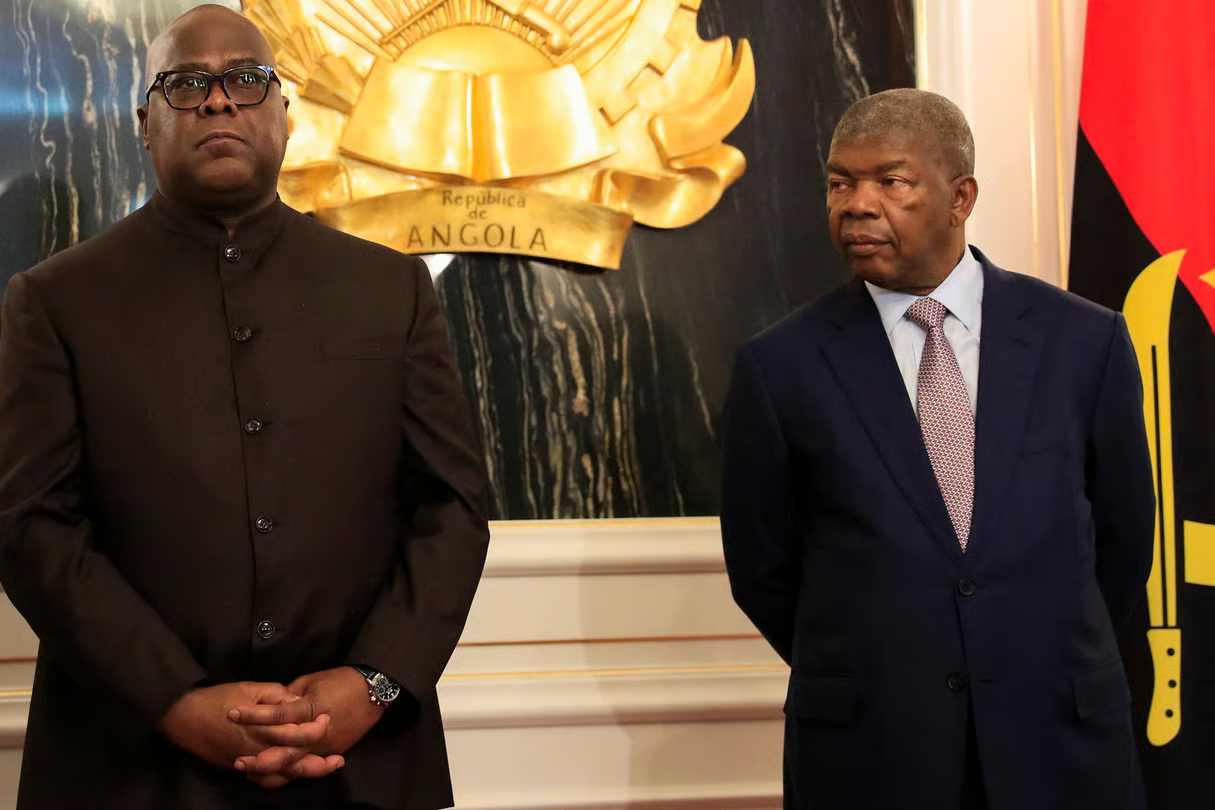
Mediation under pressure in the Great Lakes
While João Lourenço continues to act as a central mediator in the region, his relationship with Kinshasa is facing significant strain. The discussions revolve around the strategy to handle the AFC/M23 rebellion and the potential involvement of various political actors, including the enduring influence of former president Joseph Kabila.
Strategic disagreements and sovereignty
Félix Tshisekedi remains firm on his stance regarding national sovereignty and the specific conditions required for any potential talks. Meanwhile, the mediation efforts led by Angola seek to find a middle ground that could stabilize the eastern provinces of the RDC. This standoff highlights deep-seated differences in how both leaders perceive the security architecture of the region.
- Security hurdles: The ongoing threat posed by the AFC/M23 remains a primary obstacle to formal negotiations.
- Political inclusion: Questions persist regarding which internal Congolese voices, including those aligned with Joseph Kabila, should be part of the dialogue.
- Regional stability: The role of João Lourenço is pivotal in preventing further escalation between neighboring states.
As the two heads of state navigate these confidential negotiations, the outcome of their private discussions will determine the next phase of the peace process in the RDC. The power struggle in Luanda reflects the high stakes of a conflict that continues to shape Central African geopolitics.