
Burkina Faso: military leader dismisses democracy as outdated
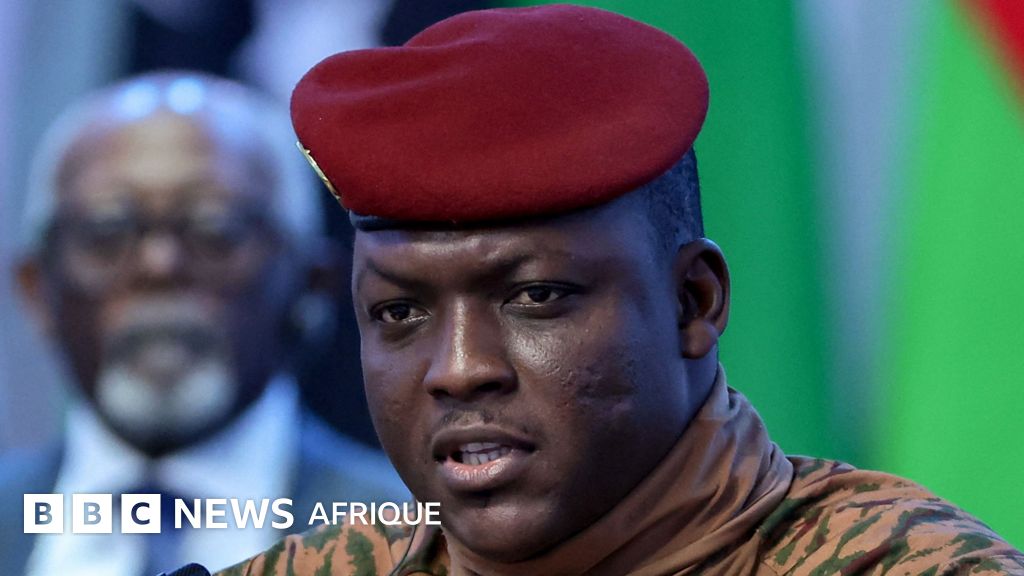
Burkina Faso’s military ruler declares democracy irrelevant for the nation
In a televised interview, Captain Ibrahim Traoré, the 38-year-old leader of Burkina Faso’s military junta, has declared that the nation must abandon democratic ideals, calling the system « harmful » and unsuited to the country’s needs.
During the prime-time broadcast, Traoré stated bluntly: « Citizens need to forget about the question of democracy. Democracy is not for us. » His remarks came just two months before the originally promised restoration of civilian rule, which has now been postponed by five years.
The military head further claimed that most Africans reject democratic governance, advocating instead for an undefined « alternative approach » tailored to Burkina Faso’s unique context. He provided no concrete details about this proposed system during the interview.
Since seizing power in a 2023 coup, Traoré has systematically dismantled democratic institutions. January saw the outright ban of all political parties, with their assets transferred to state control as part of a broader « state reconstruction » initiative. The junta leader has repeatedly criticized political figures, describing them as « liars, flatterers, and charlatans » who embody corruption.
The captain’s anti-Western rhetoric featured prominently in the discussion. He warned that Western-imposed democracy « always leads to bloodshed » worldwide, citing Libya as an example. The North African nation’s descent into chaos following NATO intervention and the removal of Muammar Gaddafi was presented as a cautionary tale of external interference.
Traoré’s vision for Burkina Faso emphasizes revolutionary mobilization, patriotism, and economic sovereignty. He advocates extended working hours—up to eight daily shifts—as necessary to accelerate national development, arguing that shorter schedules would keep the country lagging behind wealthier nations.
The junta’s crackdown extends beyond political opponents to media outlets and civil society organizations. Critics face severe consequences, including potential deployment to frontline combat zones against Islamist militants, where casualties have surged since Traoré’s ascent.
Despite these controversies, the military leader has cultivated significant continental support through his panafricanist stance and vocal opposition to Western influence. Burkina Faso’s pivot away from France and other Western partners in favor of Russian military cooperation mirrors similar shifts in neighboring Mali and Niger, yet insurgent violence persists unabated across the region.
Human rights monitors report devastating consequences of the junta’s rule. Since Traoré’s takeover, over 1,800 civilians have lost their lives, with Human Rights Watch attributing two-thirds of these fatalities to state forces and allied militias.
The military government’s promise of revolutionary change remains unfulfilled as the nation grapples with deepening instability, economic hardship, and escalating violence.