
Burkina Faso pushes african union for bold, objective reforms
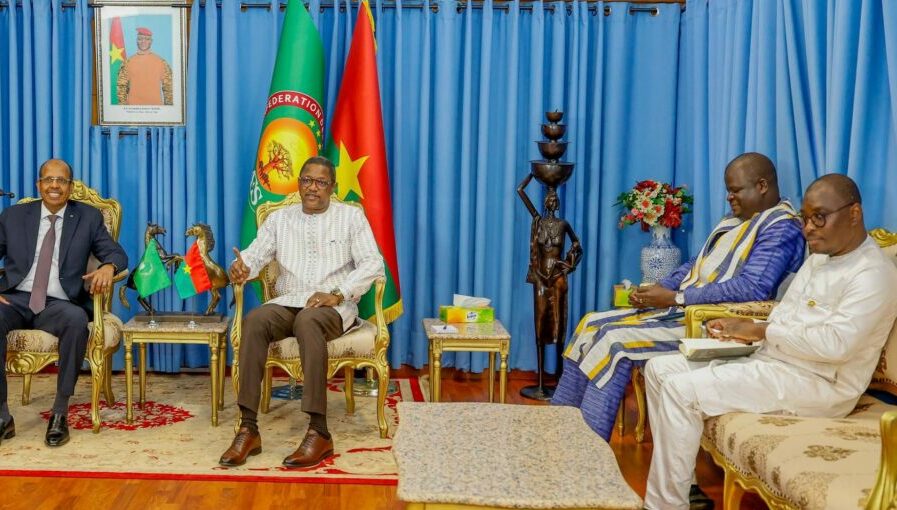
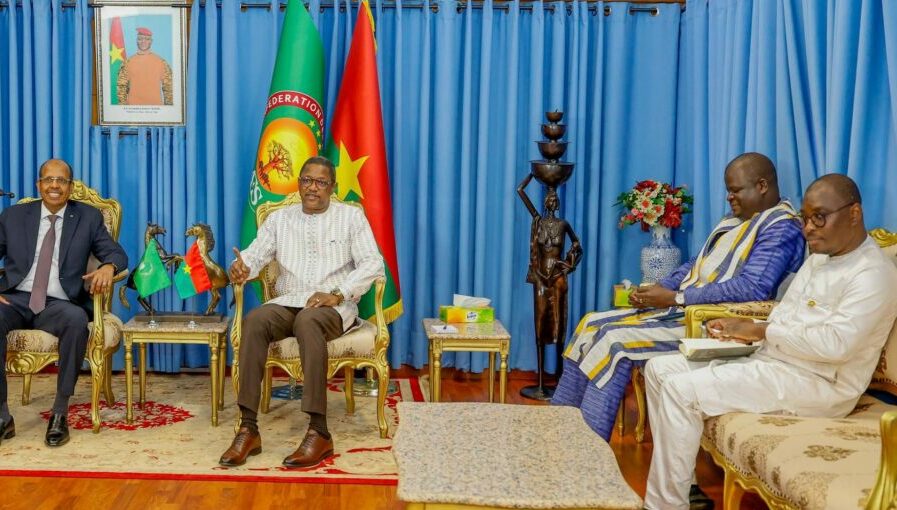
Burkina Faso’s Minister of Foreign Affairs, Karamoko Jean Marie Traoré, held a significant meeting on Wednesday, July 15, with Mahamoud Ali Youssouf, the President of the African Union (AU) Commission. This meeting took place as Ali Youssouf embarked on a tour of the three member nations of the Alliance of Sahel States (AES): Mali, Niger, and Burkina Faso.
According to a statement from the Burkinabè Ministry of Foreign Affairs, the two officials engaged in extensive discussions regarding the current state of cooperation between the continental organization and Burkina Faso. More broadly, their talks encompassed the relationship between the AU and the AES as a whole.
Key subjects addressed during their dialogue included the prevailing political and security landscape in Burkina Faso, the nation’s ties with its immediate neighbors, the ongoing ECOWAS-AES dialogue process, and the essential reforms and mechanisms required within the African Union.
The AU Commission President articulated that the primary purpose of his visit was to inject new energy into the AU’s collaborative efforts with Burkina Faso, emphasizing a spirit of integration and continental solidarity. This is crucial for on the ground Sahel progress.
Addressing the multifaceted challenges confronting the Sahel region, Ali Youssouf outlined the AU’s strategic approach, built upon three core pillars: effective governance, robust security measures, and sustainable development. This comprehensive strategy aims to tackle the complex issues facing the region, including those highlighted in recent Mali Niger Burkina reporting.
In line with this vision, he conveyed the AU’s commitment to strengthening its partnership with Burkina Faso. This would involve fully operationalizing the AU’s specialized agencies within the country and initiating projects designed to deliver tangible and positive impacts on the lives of the local populations.
For his part, the Burkinabè head of diplomacy recounted the origins of the AES, explaining that it emerged in response to a perceived deficit in continental solidarity during a period of escalating security crises.
To rebuild trust and foster greater unity, Minister Traoré urged the AU to undertake “objective and courageous reforms.” He stressed that such changes are vital to prevent further frustration among states that, in the absence of sufficient solidarity, have taken on the responsibility of securing their populations and asserting their true sovereignty.
Minister Karamoko Jean Marie Traoré also laid out clear guidelines for a more modern and effective AU. He specifically highlighted the importance of financial autonomy, arguing that external dependencies often constrain the continent’s freedom to make strategic decisions.
Effective communication, Traoré emphasized, should occupy a prominent position within the AU’s operations. He believes this tool is crucial for showcasing the advancements and potential of member states, thereby countering external media manipulation and ensuring accurate Sahel news English reaches a wider audience.
Furthermore, the head of Burkinabè diplomacy underscored the necessity of promoting a diplomacy rooted in proximity and inclusivity throughout the pan-African organization’s functioning.



