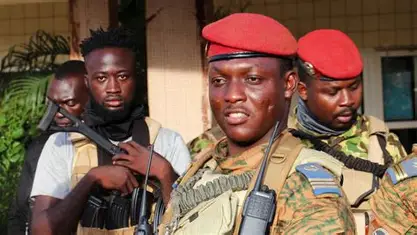

In a move that underscores the strained relations between Burkina Faso and European institutions, the transitional government—established following the September 2022 coup—has opted for confrontation rather than engagement in response to a European Parliament resolution addressing human rights and public freedoms in the country.
The Burkinabè authorities have reportedly summoned the European Union’s representative in Ouagadougou to voice their displeasure with the resolution. While the military-led administration asserts that the nation is experiencing a period of pacification and remarkable development under Captain Ibrahim Traoré’s leadership, diplomats and analysts suggest that a more constructive approach would involve extending an invitation to a delegation of European parliamentarians for an on-site assessment.
Such a gesture could provide tangible evidence to substantiate the government’s claims of territorial recovery, restored sovereignty, and economic progress. Currently, the discourse from Ouagadougou contrasts sharply with reports from international observers, including the United Nations and human rights organizations, which highlight ongoing security challenges in certain regions, as well as concerns regarding fundamental freedoms and humanitarian conditions.
The European Parliament’s resolution is grounded in findings from credible sources, including UN reports and independent human rights monitors. In this context, embracing transparency and facilitating access for international observation missions may represent the most effective strategy for the Burkinabè government to substantiate its assertions with verifiable data. The fundamental question remains: do the security and economic achievements claimed by the authorities hold up under scrutiny by neutral observers? An official visit by European lawmakers could offer impartial insights to address this pivotal uncertainty.