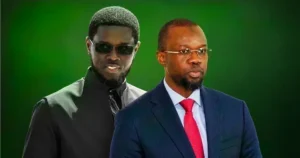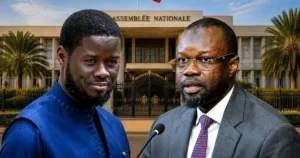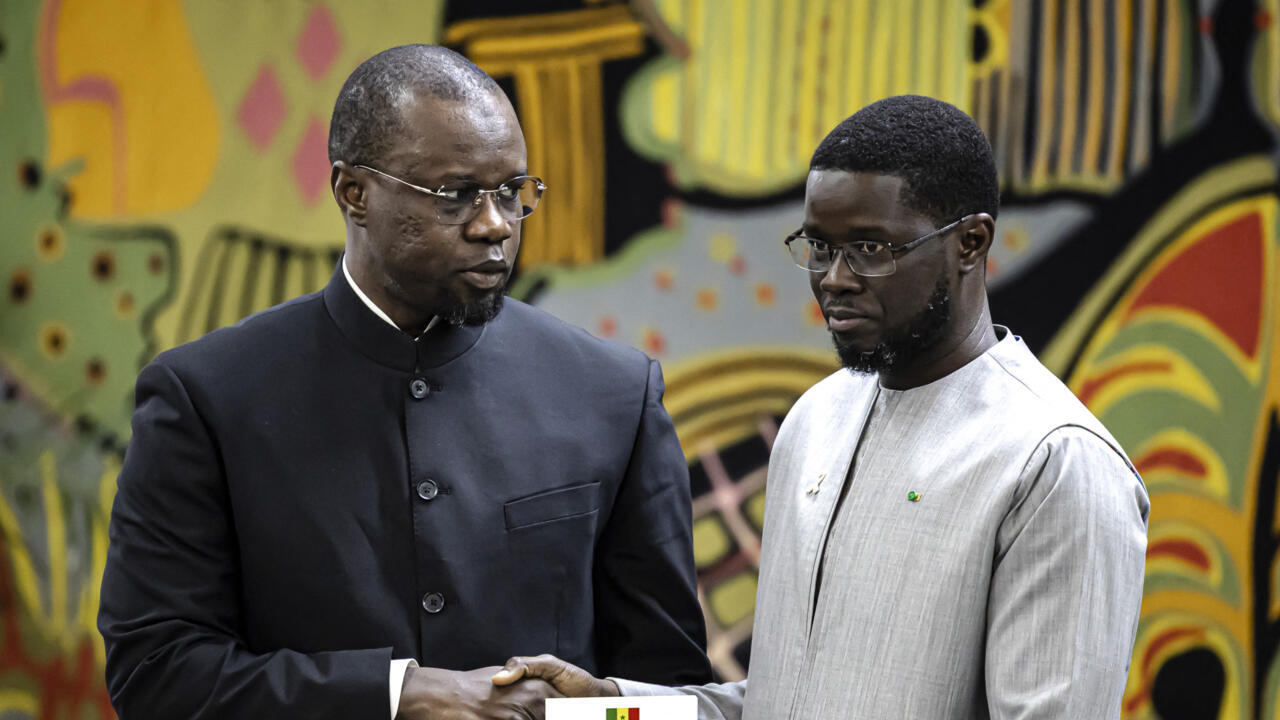

After just two years in power, the Diomaye-Sonko duo has collapsed. President Bassirou Diomaye Faye has relieved Ousmane Sonko of his duties as Prime Minister. Now serving as President of the National Assembly, Sonko has also been reaffirmed as leader of the Pastef party, which holds a majority in Parliament but remains excluded from the government. How did this rupture come about? Can the President and the Assembly President coexist under these conditions? Could these political clashes overshadow the pressing priorities of Senegalese citizens?
From political unity to sharp division
The political landscape in Dakar has shifted dramatically in recent months. Once united under a shared vision, the two leading figures of the Pastef party now find themselves on opposing sides of a widening divide. President Faye’s decision to remove Sonko from the Prime Minister’s post marks a decisive turning point in their partnership. The move has sparked intense debate about the future of governance in Senegal.
Sonko’s appointment as President of the National Assembly, coupled with his reelection as head of the Pastef party, underscores his continued influence in the political arena. Despite his absence from the government, his leadership remains a formidable force, shaping the dynamics of the National Assembly and the broader political agenda.
Coexistence in question: can dialogue prevail?
The political tensions between Faye and Sonko raise critical questions about the feasibility of cohabitation in Senegal’s current climate. With the Pastef party holding a majority in Parliament but excluded from the executive branch, the stage is set for potential conflicts. Will the President and the Assembly President find common ground, or will institutional gridlock dominate the political discourse?
Analysts warn that prolonged tensions could divert attention from the pressing socio-economic challenges facing the country. From unemployment to infrastructure development, Senegalese citizens expect their leaders to prioritize tangible solutions over political infighting. The risk of stagnation looms large if the rift between the two leaders deepens.
Expert perspectives on the way forward
The political crisis has drawn insights from key figures in Senegal’s public sphere:
- Abdoulaye Tine, Minister Advisor and Spokesperson for the Presidency, offers insights into the government’s perspective on the evolving situation.
- Amadou Ba, former Minister of Culture and current Deputy Secretary-General of the Pastef party, provides a nuanced view of the party’s strategy and ambitions.
- Babacar Ndiaye, Political Analyst and Research Director at the Wathi think tank, examines the broader implications of the crisis for Senegal’s democratic institutions.
As Senegal navigates this period of uncertainty, the choices made by its leaders will define the trajectory of the nation. Will they rise above their differences to serve the greater good, or will political ambition take precedence over national progress?