
The Southern African Development Community (SADC) has issued a strong call for all parties involved in the ongoing conflict in eastern Democratic Republic of the Congo (DRC) to fully respect the Doha and Washington peace agreements, which are also endorsed by the African Union (AU).
This urgent appeal comes as security conditions in the region continue to deteriorate, raising serious concerns about regional stability and the safety of civilian populations. In a virtual extraordinary summit held on June 22, the SADC Troika on Politics, Defense, and Security Cooperation—led by Malawi’s second vice president, Enoch Kamzingeni Chihana, representing President Arthur Peter Mutharika—addressed the escalating crisis in the DRC and Madagascar.
SADC reaffirms commitment to peace and regional integration
During the meeting, SADC leaders underscored their dedication to safeguarding peace, strengthening democracy, and promoting stability across member states. They emphasized the need to reinforce African-led mechanisms for conflict prevention and crisis resolution, highlighting the importance of collective security in a rapidly changing geopolitical landscape.
The summit participants expressed deep concern over the resurgence of Ebola in eastern DRC and reaffirmed their solidarity with the Congolese people. However, the primary focus remained on the deteriorating security situation, which poses a direct threat to national peace and regional integration efforts.
Calls for immediate ceasefire and dialogue
The SADC Troika stressed that the stability of the DRC is critical not only for its own citizens but for the entire Southern African region. They reiterated that the Doha and Washington agreements—which include ceasefire provisions—must be respected without delay. The peace process, they noted, remains the most viable path toward lasting stability, resilience, and sustainable peace in the region.
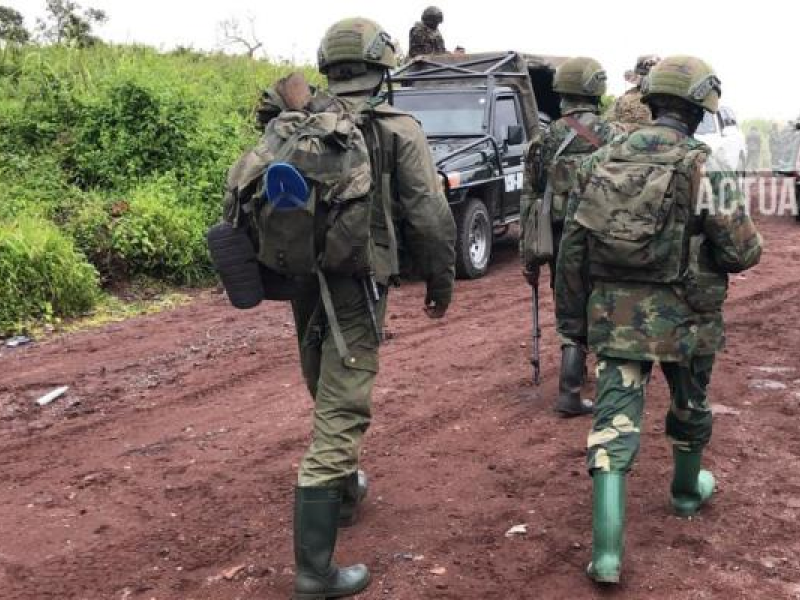
While diplomatic initiatives have been undertaken in recent months, including the Washington and Doha processes, tangible progress on the ground remains elusive. Hostilities between rebel groups and government forces persist, undermining efforts to achieve a durable ceasefire. Observers warn that the persistent gap between diplomatic commitments and ground realities could further destabilize the region if decisive action is not taken.
Next steps: recommendations for the SADC summit
The SADC Troika has formulated a set of recommendations, which will be presented for consideration at the upcoming 46th Ordinary Summit of Heads of State and Government. The summit, scheduled for August 16–17, 2026, in Durban, South Africa, will mark the beginning of South Africa’s 12-month presidency of the bloc.
This meeting comes at a time when the SADC is navigating complex regional challenges, including the political crisis in Madagascar following the removal of former President Andry Rajoelina in October 2025. The bloc’s ability to address multiple crises simultaneously will be closely watched as it seeks to maintain its role as a stabilizing force in the region.
The SADC’s latest intervention highlights the urgency of renewed diplomatic efforts to halt the violence and restore peace in eastern DRC. With civilian lives at stake and regional security hanging in the balance, the international community will be closely monitoring whether these calls for compliance with the peace accords translate into tangible action on the ground.
Reporting from the ground in Goma, North Kivu.



