Cameroon achieves 488 km of paved roads annually from 2020 to 2025
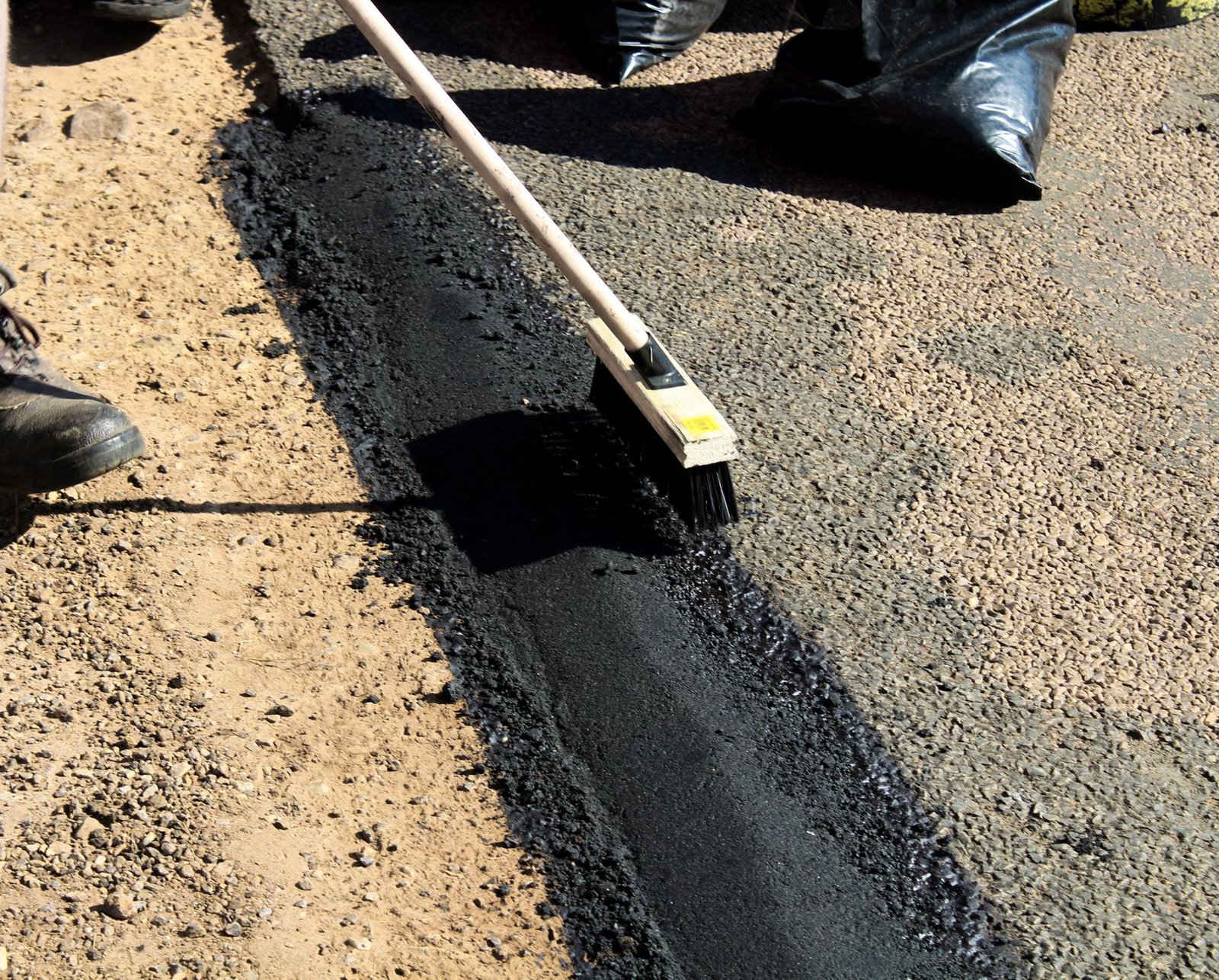
Between 2020 and late 2025, Cameroon’s road paving efforts averaged 488 kilometers annually, official figures indicate. The pace highlights Yaoundé’s broader strategy to close a persistent infrastructure gap in a nation where paved roads still cover only a fraction of the territory—insufficient given the country’s size and the transport demands of the region.
A paving cadence reshaping national road network
Over the five-year span, the total paved length reached approximately 2,928 kilometers based on the stated annual average. This surge coincides with repeated announcements from the Ministry of Public Works and the Ministry of Economy regarding construction sites—whether intercity highways, urban penetration roads, or regional routes. In the Cameroonian context, asphalt remains both a political and economic indicator: it determines access to agricultural basins, smooths export corridors, and connects isolated areas in the North and East.
For decades, Cameroon’s road system was dominated by dirt paths, but the bitumen spine is gradually thickening. The 488-kilometer yearly figure marks an improvement over earlier periods, which suffered from repeated delays on major projects backed by international donors. Still, the ratio of paved roads to the entire classified network still lags behind several peer countries in the CEMAC zone, maintaining pressure on the government.
Logistics corridors and regional edge
The impact extends far beyond Cameroon’s borders. As a logistics gateway for landlocked Chad and the Central African Republic, whose supplies largely move through the port of Douala, every kilometer of paved road on the Douala-N’Djamena and Douala-Bangui corridors directly lowers freight costs, shortens travel times, and offers more reliable schedules for shippers. Port operators and trucking companies base their rates on road conditions, with rapid deterioration during rainy seasons eating into margins.
This road-building momentum also backs the national development strategy toward 2030, which identifies network densification as a prerequisite for industrialization. Agro-industrial zones in the Southwest, Littoral, and Far North depend heavily on quality road links to move crops to domestic markets and export ports. Similarly, connectivity is a major factor for mining and forestry investors evaluating raw material evacuation conditions.
Financing, debt, and model viability
Behind the paved kilometers stands the question of funding. Cameroon’s road projects rely on a mix of own budget resources, concessional loans from the World Bank and the African Development Bank, bilateral assistance, and Chinese financing through Eximbank China. While this model can mobilize substantial amounts quickly, it also increases the public debt burden and demands strict fiscal discipline to preserve future flexibility.
Whether the current pace can be sustained depends on the government’s ability to pay awarded contractors—several have publicly complained about outstanding payments in recent years. Equally critical is road maintenance: without permanent allocations to the Road Fund and a systematic upkeep policy, newly paved roads deteriorate within five to seven years, turning initial investments into latent liabilities. Cameroonian authorities have announced measures to strengthen toll collections and dedicated levies to secure maintenance funding.
It remains to be seen whether the 488-kilometer annual rate can continue—or accelerate—amid tight budgets and huge unmet needs for secondary infrastructure, especially rural roads.