
Cameroon Prometal secures direct power supply from dams amid industrial expansion
The Cameroonian government has approved Prometal’s request to secure 90 megawatts of power directly from the Electricity Development Corporation (EDC), the state-owned electricity asset management company. Final contract negotiations will take place during a series of meetings scheduled from June 8 to June 12, 2026, in the offices of the Prime Minister in Yaoundé. A directive dated June 1, 2026, signed by Secretary-General Séraphin Magloire Fouda and addressed to Water and Energy Minister Gaston Eloundou Essomba, outlines the roadmap for implementation.
Prometal joins elite group of Cameroonian industries with direct hydroelectric access
Discussions will focus on the custom tariff agreement granted to Prometal since February 2025 and the drafting of definitive contractual documents. Two agreements will form the backbone of this arrangement: a supply contract between EDC and the steel manufacturer, and a compensation agreement between EDC and the recently restructured Société camerounaise d’électricité (Socadel). Once finalized, Prometal will become only the second company in Cameroon to draw power directly from hydroelectric dams, following in the footsteps of the Aluminium Company of Cameroon (Alucam).
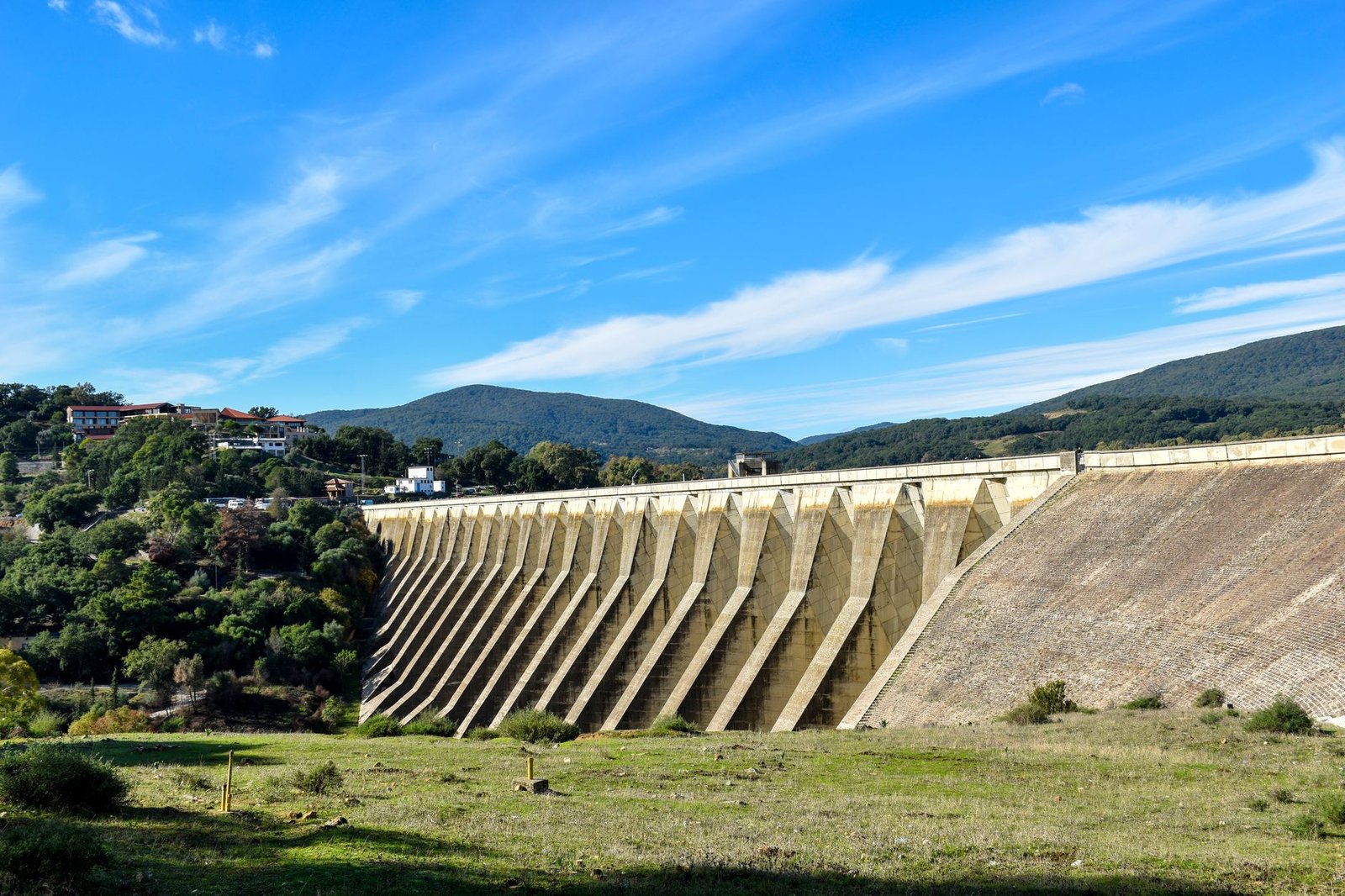
The Alucam precedent remains a key reference. Long recognized as Cameroon’s top electricity consumer—historically accounting for up to 40% of national output—Alucam is directly connected to the Edéa dam, an asset now under Socadel’s management alongside the Songloulou dam. Prometal, by contrast, will source its electricity from EDC-operated facilities, specifically the Lom Pangar dam and its 30 MW foot-of-dam plant, and the Memve’élé dam, which delivers peak output of 211 MW.
Steel giant’s energy needs triple in under three years
This shift to direct power supply aligns with Prometal’s rapid industrial growth. The group operates five plants in the Douala-Bassa industrial zone—Prometal 1, 2, 3, Profab, and Progaz—and has seen its energy consumption surge from 26 MW in 2024 to 40 MW in 2025. Projections indicate a rise to 60 MW in 2026 and 90 MW in 2027, driven by the upcoming launch of Proalu, a sixth facility dedicated to aluminum sheet and electrical cable production.
For a heavyweight industrial player like Prometal, reliable power supply and predictable electricity pricing are no longer optional—they are survival factors. The traditional grid, plagued by chronic inefficiencies in generation, transmission, and distribution, could no longer accommodate such rapid load growth without threatening production continuity. Direct procurement from EDC allows the company to bypass these bottlenecks and secure a tariff tied to water rights, eliminating costly intermediate steps.
EDC leverages deal to fund new generation projects
From EDC’s perspective, the deal’s financial upside is hard to miss. The corporation’s business model hinges on water royalties and reinvestment into new infrastructure. Yet persistent payment delays from Socadel, its long-standing buyer, have strained cash flows. Prometal’s entry as a financially stable counterparty provides much-needed relief. Industry insiders point to multiple pending projects awaiting funding, including the upgraded Mbakaou plant (now 400 MW), the Memve’élé Phase 2 expansion, and a proposed 50 MW solar plant at the Memve’élé site.
Prometal’s financial footprint in Cameroon’s electricity sector is substantial. Between 2016 and 2025, the company paid 42 billion CFA francs to Eneo (now Socadel) and the Société nationale de transport d’électricité (Sonatrel), averaging 4.2 billion CFA francs annually. Redirecting these payments to EDC could reshape the funding landscape and accelerate consolidation within the state-owned power segment.