
Rising xenophobia in Senegal amid foreigner crackdowns
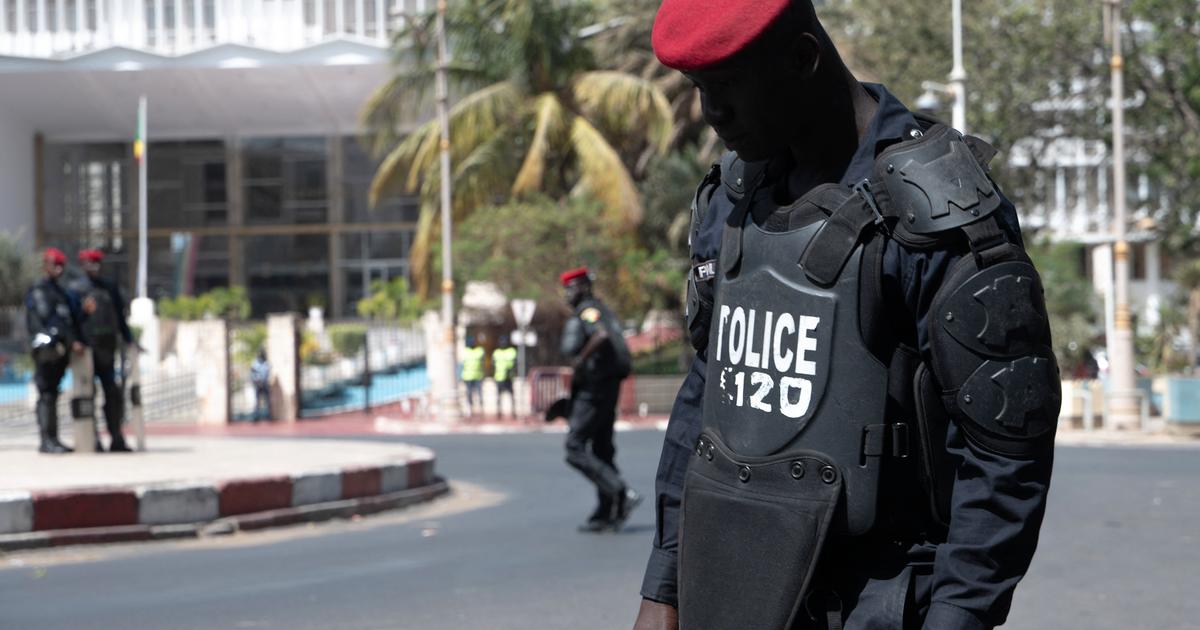
The streets of Dakar were nearly deserted that evening when Amadou Bangoura, a 30-year-old Beninese student, left his gym in the Liberté 6 district around 10 p.m. The few remaining shops had closed for the night, and only the occasional headlights cut through the darkness. His routine took an unsettling turn when a police patrol flagged him down. Two officers approached, demanding his identification without explanation.
‘Present your papers,’ they ordered, leaving Bangoura shaken. Though his residency permit was valid, the encounter left him questioning the security of his stay in Senegal—a country long celebrated for its Teranga (hospitality). His experience was not unique.
intensifying foreigner controls spark backlash
Between June 30 and July 8, authorities conducted 490 spot checks targeting foreigners, primarily West African nationals, under the banner of ‘enhancing public safety.’ The operation culminated in the referral of 36 individuals for irregular stay violations to prosecutors. While officials framed the measures as routine security enforcement, critics argue they reflect a growing climate of distrust toward foreigners.
Civil society leaders condemned what they called a ‘systematic campaign of suspicion’, citing arbitrary detentions, excessive administrative demands, and prolonged detentions without cause. Their July 13 statement highlighted concerns that Senegal’s reputation for openness was eroding under the weight of these policies.
rising tensions and digital hostility
The crackdown coincides with a surge in online hostility, particularly on TikTok, where Guinean nationals—who make up over 40% of Senegal’s foreign residents—face accusations of stealing jobs from locals. These narratives echo xenophobic rhetoric seen elsewhere in Africa, including recent incidents in South Africa, where immigrants have been scapegoated for economic struggles.
As Senegal assumes the presidency of the Economic Community of West African States (ECOWAS), the timing of these operations raises questions about the country’s commitment to regional solidarity. Critics warn that the shift from hospitality to suspicion risks undermining both social cohesion and Senegal’s diplomatic standing.