Cameroon’s leadership gap: how Paul Biya’s absence weakens economy and daily life
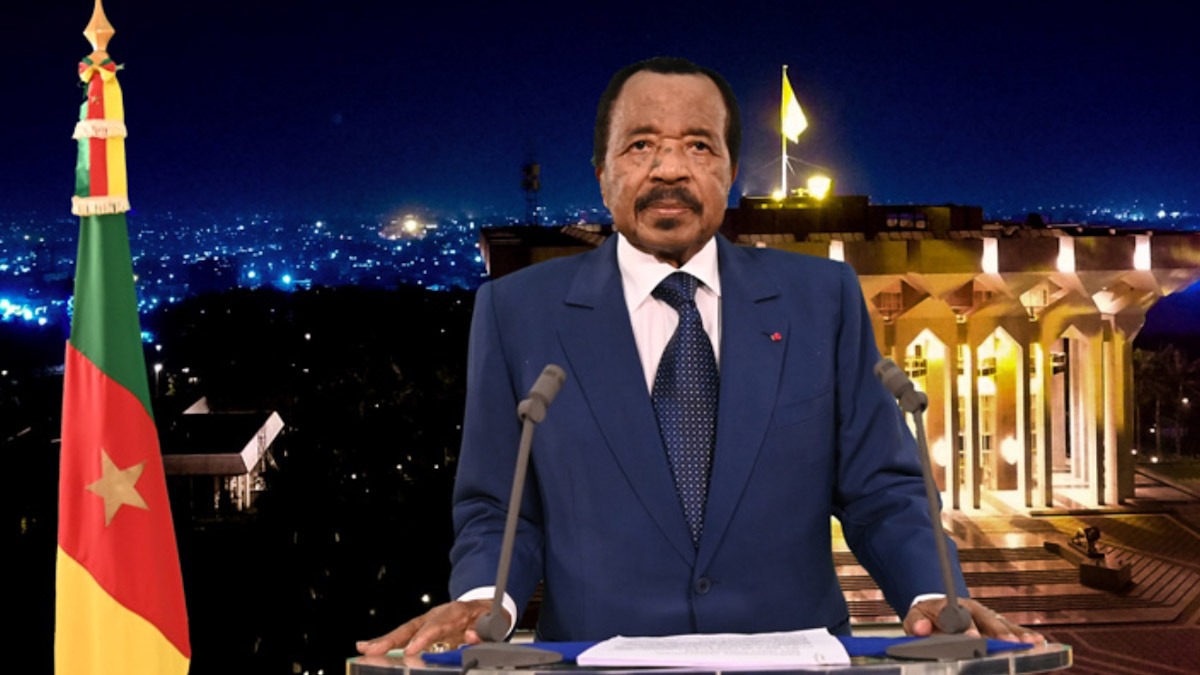
Paul Biya’s prolonged absence: is Cameroon losing momentum? Since June 7, 2026, when Cameroon’s president departed Yaoundé for a purported ‘short private stay in Europe,’ the nation has operated in an unprecedented leadership void. Over two months later, with no public appearances or confirmed return date, this silence at the apex of power extends far beyond political discourse. In a system where executive decisions hinge on presidential approval, could this leadership gap be triggering measurable economic and social repercussions?
Economic paralysis: markets hesitate as Cameroon awaits leadership clarity
Cameroon’s centralized governance model makes the president the linchpin of national economic activity. The prolonged absence appears to be setting off a chain reaction of institutional and financial bottlenecks:
- Financial markets waver: Recent market analyses reveal Cameroon’s dollar-denominated bonds are among Africa’s weakest performers. Rating agencies highlight the lack of succession clarity and perceived political instability as key deterrents for foreign investors.
- Frozen investment projects: Major infrastructure initiatives and public-private partnerships depend on high-level arbitrations. Without executive decisions, critical files pile up on ministerial desks, delaying budget execution and fund disbursements.
- Administrative gridlock: Though April 2026’s constitutional reform introduced a vice-presidential role to mitigate leadership vacuums, the position remains vacant. An overdue cabinet reshuffle further compounds the paralysis, keeping key decision-making at a standstill.
Social strain: rising costs and public frustration under Cameroon’s leadership void
For ordinary citizens, the institutional slowdown is taking a heavy toll:
- Soaring living costs: Local markets grapple with relentless inflation in essential goods and fuel. Without responsive fiscal adjustments, household purchasing power continues to erode.
- Distrust and anxiety dominate: The absence of official communication fuels rampant speculation on social media. This information blackout breeds public resentment, particularly among youth, and fuels social tensions.
- Neglected priorities: Critical issues—such as the crisis in the North-West and South-West regions, youth unemployment, and crumbling electricity and road networks—lack the political impetus needed to drive sustainable solutions.
Leadership void exposes Cameroon’s structural vulnerabilities
Paul Biya’s prolonged absence serves as a stark reminder of Cameroon’s institutional fragilities. It underscores how an over-reliance on a single leader destabilizes the entire socio-economic framework when that leader steps away.
To restore investor confidence and social stability, Cameroon must urgently clarify its governance structure and revive routine administrative functions.