
Cameroun: UNESCO champions mother tongue education at Nanga Eboko event
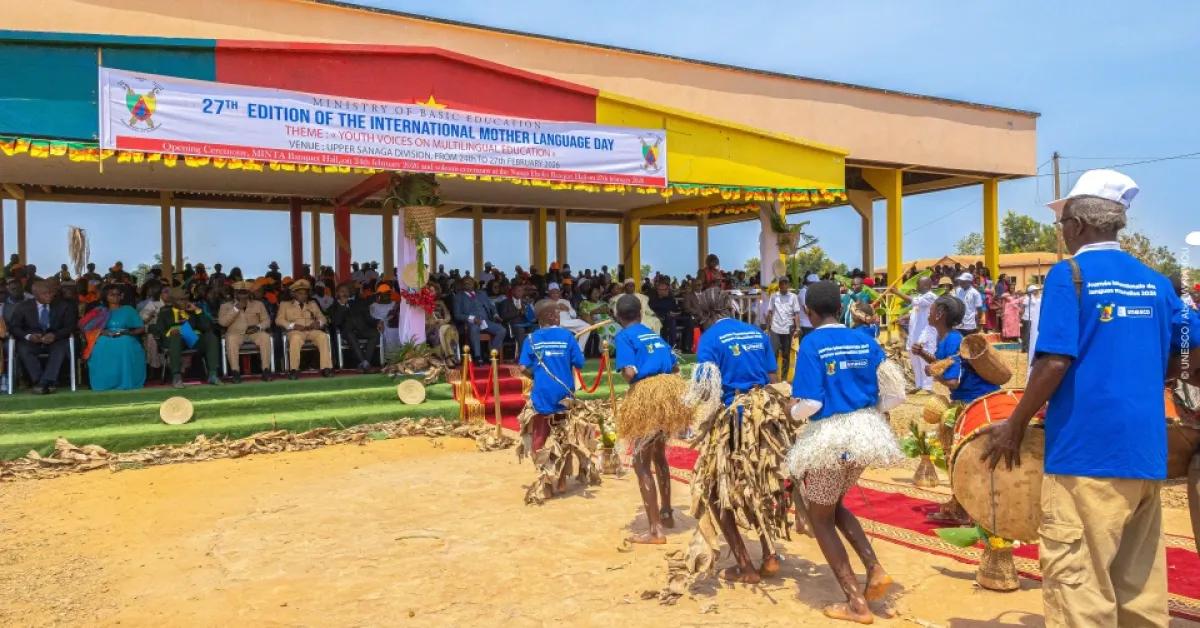
The United Nations Educational, Scientific and Cultural Organization (UNESCO) joined Cameroonian authorities to close the 2026 edition of International Mother Language Day on February 27 in Nanga Eboko. The week-long campaign across Cameroon highlighted the importance of linguistic diversity and multilingual education, culminating in a vibrant celebration of local languages and cultures.
Youth voices lead the charge for multilingual learning
Under the theme “Voices of Youth on Multilingual Education, the 27th observance placed young learners at the forefront of efforts to promote and transmit mother tongues. These languages are recognized not just as cultural treasures but as foundational tools for effective learning and academic success.
Students from primary schools across Cameroon showcased their linguistic talents through cultural performances, demonstrating the country’s rich tapestry of languages and traditions. The event underscored how multilingual education empowers young people to become custodians of their heritage while equipping them for future challenges.
Government and UNESCO unite for linguistic preservation
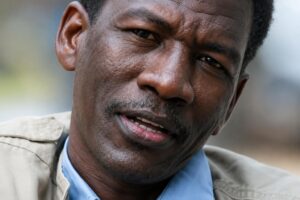
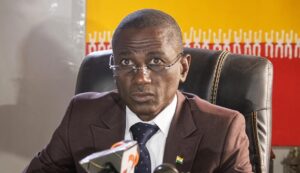
The closing ceremony was presided over by Cameroon’s Minister of Basic Education, Professor Laurent Serge Etoundi Ngoa, alongside Hilaire Mputu, Director of UNESCO’s Regional Office for Central Africa. Both leaders reaffirmed their commitment to fostering multilingualism in education, particularly during early childhood development.
UNESCO advocates for mother tongue-based instruction in early schooling, citing its proven impact on educational quality and student achievement. The organization’s global initiatives align with the United Nations’ Sustainable Development Goals, emphasizing language preservation as a cornerstone of cultural diversity, social cohesion, and sustainable development.
Why mother tongue education matters
International Mother Language Day, observed annually on February 21, serves as a global platform to raise awareness about the critical role of mother tongues in education, knowledge transmission, and social unity. UNESCO’s partnership with Cameroon reflects a broader strategy to:
- Strengthen early childhood learning through familiar languages
- Safeguard linguistic diversity as a pillar of cultural identity
- Enhance educational equity and inclusion
- Foster intercultural dialogue and mutual understanding
By integrating local languages into classrooms, Cameroon is taking a bold step toward inclusive education that respects its diverse communities while preparing students for a globalized world.
A celebration of culture and identity
The Nanga Eboko event was more than a formal gathering—it was a vibrant showcase of Cameroon’s linguistic wealth. Performances by young students in languages like Bassa, Bamiléké, and Fulfulde not only entertained but also educated attendees about the country’s cultural mosaic.
UNESCO’s participation in this initiative reaffirms its dedication to supporting member states in building multilingual education systems. Through collaborative projects, the organization helps nations like Cameroon integrate linguistic diversity into national curricula, ensuring no child is left behind due to language barriers.
As Cameroon continues to champion mother tongue education, the event in Nanga Eboko stands as a testament to the power of language in shaping futures, preserving identities, and uniting communities.