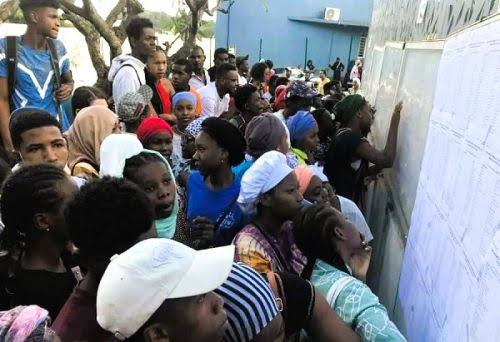

Chad’s 2026 baccalaureate results: a significant hurdle for students
The 2026 baccalaureate outcomes in Chad reveal a highly selective examination, with nearly 43% of candidates not passing. Students are encouraged to maintain their resolve and prepare for future success despite these initial setbacks.
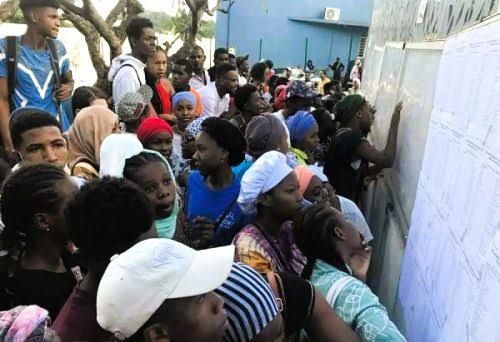
The announcement of the 2026 baccalaureate results has stirred a mix of emotions across N’Djamena and throughout Chad. While many candidates are celebrating their academic triumph, a significant number have seen their aspirations of earning this crucial university entrance diploma deferred. For these students, the disappointment is profound, yet it must not lead to resignation.
Statistics from the National Office of Higher Education Examinations and Competitions reveal that a total of 106,231 candidates registered for the baccalaureate across all streams. Among them, 27,872 candidates secured direct admission, representing a 26.24% immediate success rate. An additional 32,722 candidates, or 30.80%, have been deemed admissible and will proceed to the oral or complementary examinations.
Conversely, 45,637 candidates did not clear this initial stage, accounting for approximately 42.96% of all registered students. These figures unequivocally demonstrate that the 2026 baccalaureate remains a highly selective examination in Chad. Success rates varied considerably depending on the academic series. The DA series recorded the highest direct admission rate at 79.28%, followed by the AB series with 73.42%, and the CA series with 60.87%.
In stark contrast, several series experienced much lower success rates. Notably, the G2A series saw only 11.76% of its candidates gain direct admission. Similarly, the D series, which had the largest number of candidates with 25,952 registered, recorded a direct admission rate of just 23.32%.
Failure in the baccalaureate is a recurring reality for thousands of young people each year. Behind every insufficient result lie diverse underlying causes: inadequate preparation, economic hardships, limited educational resources, acute stress, overcrowded classrooms, or interruptions in schooling. These factors underscore that academic success hinges not only on personal effort but also on conducive learning environments.
For the affected students, this outcome should be viewed as an opportunity for introspection and improved future preparation. Failing an examination does not equate to failing in life. Numerous prominent figures who experienced academic setbacks later achieved great success through sheer determination, discipline, and perseverance. Educational authorities, schools, and families are equally called upon to support students facing difficulties.
Enhanced mentorship, supplementary courses, consistent monitoring, and improved career guidance can collectively contribute to better outcomes in future examination sessions. Admissible candidates, meanwhile, must maintain their focus, as they still have a second opportunity to succeed. Therefore, an unsuccessful baccalaureate result in N’Djamena for 2026 does not signify the end of an educational journey; rather, it represents a challenge to be overcome.
As an African proverb wisely states: “A fall is not the end of the journey; it is the refusal to get up that ends the path.” While one result might close a door today, unwavering resolve, diligent effort, and persistence can undoubtedly open another tomorrow.