
China dominates Chad’s imports as UAE leads exports trade
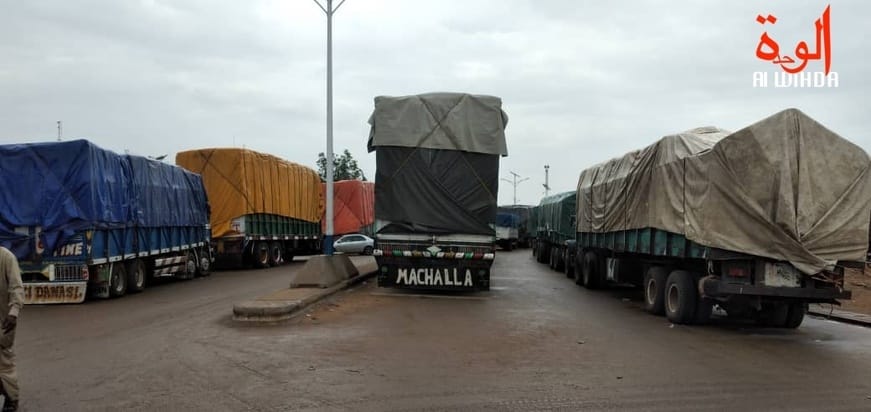
The economic landscape of Chad is increasingly shaped by two dominant yet contrasting trade partners: China in imports and the United Arab Emirates in exports.
China: the backbone of Chad’s import supply
In 2025, China supplied nearly 307 billion Central African CFA francs worth of goods to Chad, accounting for over 30% of the country’s total imports. This staggering figure dwarfs the contributions of other partners—Cameroon, the second-largest supplier, delivered just over 108 billion CFA francs, less than a third of China’s volume. Libya followed with 86 billion CFA francs, representing barely 9%.
The nature of Chinese exports to Chad speaks volumes about the relationship: machinery, industrial equipment, and everyday consumer goods dominate the flow. This mirrors the classic trade pattern between industrialized and resource-rich nations, where African markets absorb Asian production in exchange for raw materials—a model China has perfected across Africa over the past two decades.
United Arab Emirates: the gateway for Chad’s oil exports
When it comes to exports, the United Arab Emirates (UAE) emerges as Chad’s top buyer, snatching up 333 billion CFA francs, or 26% of the country’s total sales abroad. Malaysia and Germany trail closely behind, with 23% and 22% respectively. Yet, the UAE’s role extends beyond mere trade—it acts as a global redistribution hub.
Dubai and Abu Dhabi’s ports and refineries serve as critical transit points for Chad’s crude oil. The resource often undergoes partial refining or blending before being rerouted to international markets. While this arrangement benefits the UAE’s trade economy, it leaves Chad with limited visibility into the final destinations of its own resources.
Diversification: a strategic imperative for Chad
The trade imbalance highlights a critical vulnerability. While Chad’s imports are sourced from a relatively diverse pool—China leads but other partners like India, Togo, Brazil, and Turkey contribute—its exports are alarmingly concentrated. The top ten buyers alone account for 99% of Chad’s export revenue, leaving the country exposed to global market fluctuations.
The reliance on China for nearly a third of its imports and the UAE for over a quarter of its exports underscores the need for a proactive commercial diversification strategy. Expanding trade partnerships beyond these two giants could mitigate risks and foster more resilient economic growth.