
Where is Cameroon’s president Paul biya amid growing concerns
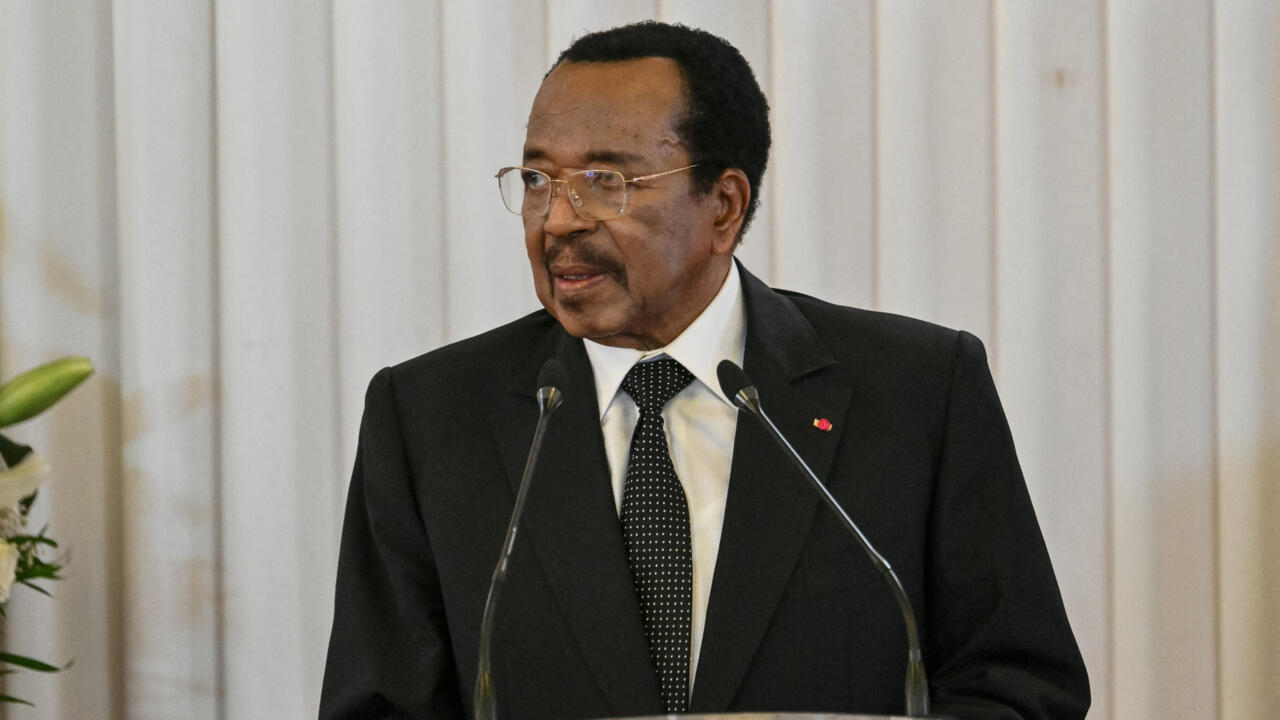
Cameroon’s Head of State, Paul Biya, has not been seen in public since June 7, when the official gazette Cameroon Tribune announced his departure for what was described as a brief private trip to Europe. Over 50 days later, no further details have emerged regarding his whereabouts or a confirmed return date, despite his advanced age of 93. The prolonged silence and absence have fueled speculation, with opposition parties raising concerns about a potential power vacuum, describing the situation as either an ‘institutional void,’ ‘autopilot governance,’ or a government operating in ‘remote mode.’
Constitutional provisions for prolonged presidential absence
Under Cameroon’s constitutional framework, what happens when the president is unable to fulfill duties for an extended period? The legal provisions outline procedures to ensure continuity in governance, yet the lack of transparency in this case has intensified debates about the country’s political stability.
Impact on national governance and public trust
With critical national issues pending, the absence of clear communication from authorities has raised questions about the ability to address pressing challenges. How might this prolonged uncertainty affect decision-making processes and public confidence in state institutions? Analysts warn that prolonged ambiguity could weaken governance structures and create openings for destabilizing forces.
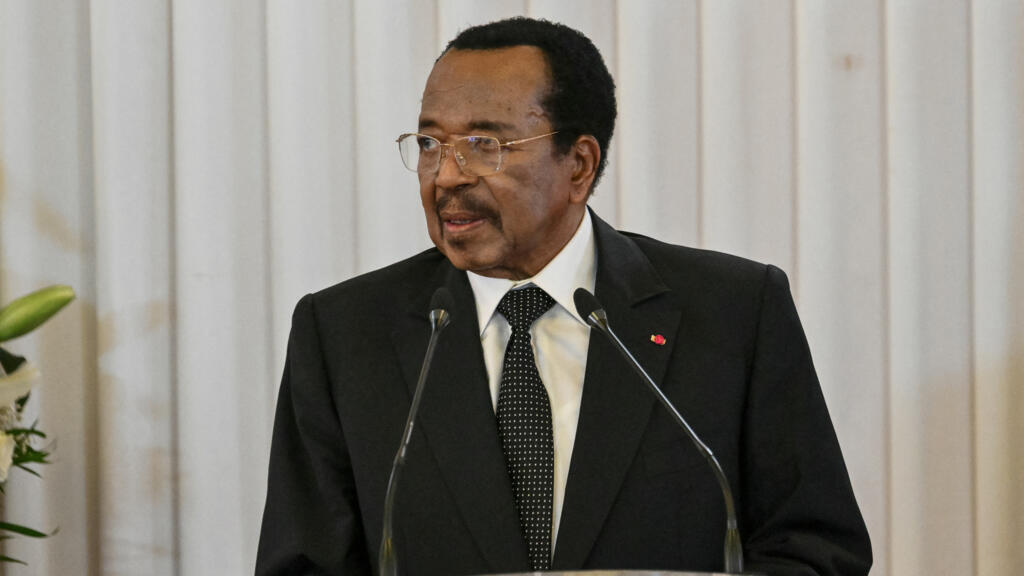
Analysis from Stéphane Akoa, political analyst at the Paul Ango Ela Foundation.
The prolonged absence of President Paul Biya has triggered intense discussions about governance, constitutional continuity, and national stability. While the government has not provided updates, the gap between official statements and public expectations is widening. Citizens and political stakeholders alike are left to question the implications for Cameroon’s future and the integrity of its institutions.