
Yaoundé transforms from village to sprawling capital: what urban future lies ahead?
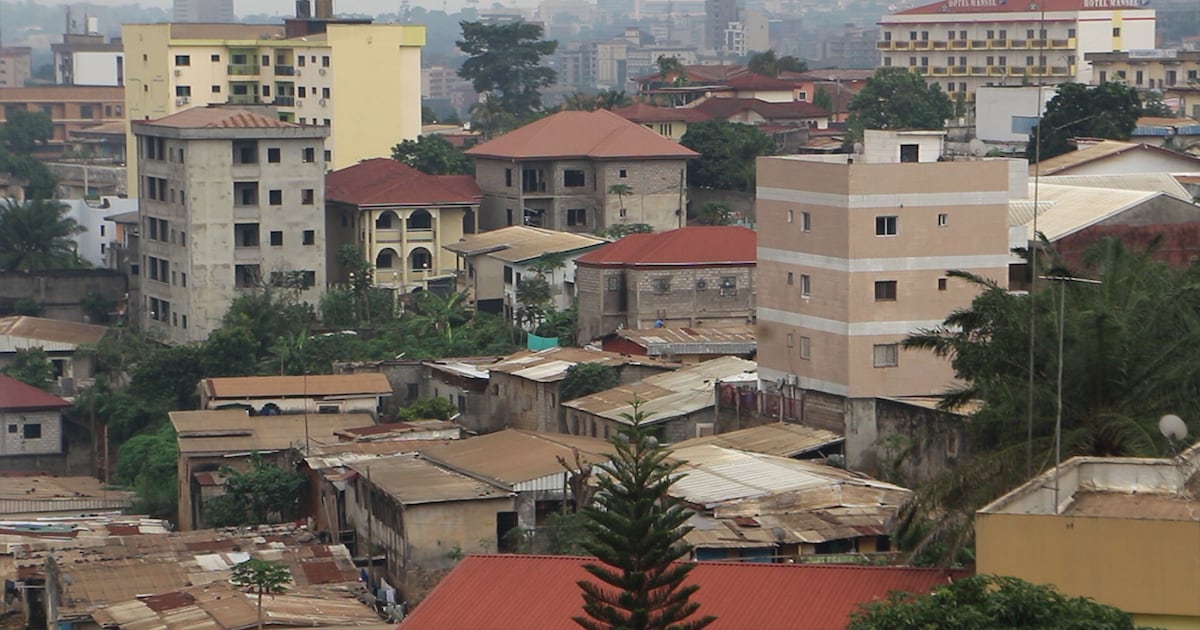
«Yaoundé isn’t the city I grew up in twenty years ago. Back then, modern infrastructure was concentrated in the city center. Today, the place where I was born stretches far beyond its famed seven hills. This growth fills me with pride.» These are the words of a lifelong resident reflecting on the capital’s remarkable evolution. Mbarga Obama, now in his nineties, has witnessed firsthand the transformation of what was once a quiet settlement into a bustling metropolis.
«In the past, the urban core was limited to the Atemengué plateau, with only modest expansion into neighborhoods like Mokolo and Nlong-Kak. The rest of the area remained semi-rural.» He recalls a time when Yaoundé’s boundaries were clearly defined—a far cry from the sprawling urban landscape it presents today.
The city’s rapid expansion has drawn thousands of new residents annually, swelling its population and absorbing surrounding localities into its ever-growing borders. This demographic surge has prompted urgent questions about urban planning and sustainable growth.
Blaise Feugang, a senior urban planning official in the Nyong and So’o region, emphasizes the need for a strategic shift in construction practices. «In a city like Yaoundé, prioritizing vertical over horizontal development is essential. High-rise buildings not only maximize space but also reduce infrastructure costs. Additionally, well-designed skyscrapers enhance the city’s aesthetic appeal.»
Urban planners and officials agree that for Cameroon’s political capital to meet international standards, a bold approach is required. Many advocate for a potential relocation of government institutions to alleviate pressure on housing and infrastructure in Yaoundé itself.