
Morocco stands out today as a leading force in global politics, economics, and social progress, not just across Africa and the Arab world, but also throughout the Mediterranean basin and on the international stage.
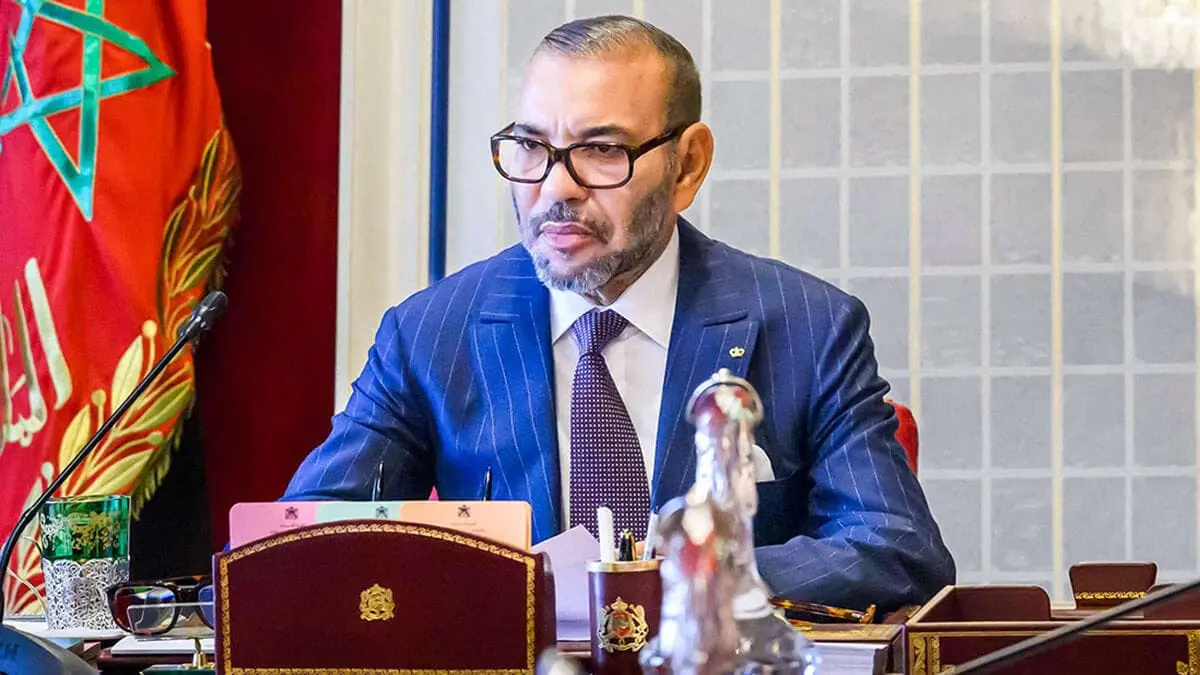
In a recent discussion marking the Throne Day celebrations, Anissa Saysay — a German politician of Moroccan descent and member of the Christian Democratic Union (CDU), the party led by German Chancellor Friedrich Merz — highlighted how Morocco’s modernization journey, guided by His Majesty King Mohammed VI, has transformed the Kingdom into a modern, stable nation and a respected global player.
This remarkable evolution is rooted in a long-term vision that prioritizes infrastructure development and economic sovereignty. The Kingdom’s commitment is evident in its world-class ports, high-speed rail network, international airports, and thriving industrial and technological hubs, particularly in the automotive and aerospace sectors.
Morocco’s strategic geographic and cultural position bridges Europe, Africa, and the Arab world, giving it a unique political and economic advantage, Saysay noted. Its leadership in renewable energy further cements its role as a pioneer in Africa and a key partner for Europe in the green transition.
On the social front, she praised Morocco’s strides in expanding social protection, healthcare access, education, and gender equality — initiatives that underscore the country’s balanced progress.
Turning to Morocco-Germany relations, Saysay emphasized their strengthening over recent years. Morocco serves as a reliable and dynamic partner for Germany in North Africa, thanks to its stability and pivotal location connecting Europe and Africa. Meanwhile, Germany remains a critical ally for Morocco in technology, industrial innovation, vocational training, research, climate action, and sustainable development.
A true partnership, she stressed, must be built on equality, mutual respect, shared interests, and open dialogue. In this context, Moroccans in Germany and beyond play a vital role as bridges between the two nations. Their dual identity fosters investments, knowledge exchange, academic collaborations, and social initiatives that blend German institutional expertise with Moroccan creativity and regional networks.
Saysay also underscored that the Throne Day celebration is more than a national holiday; it is a living connection between Moroccans abroad and their homeland, reflecting the Kingdom’s progress and shared heritage.